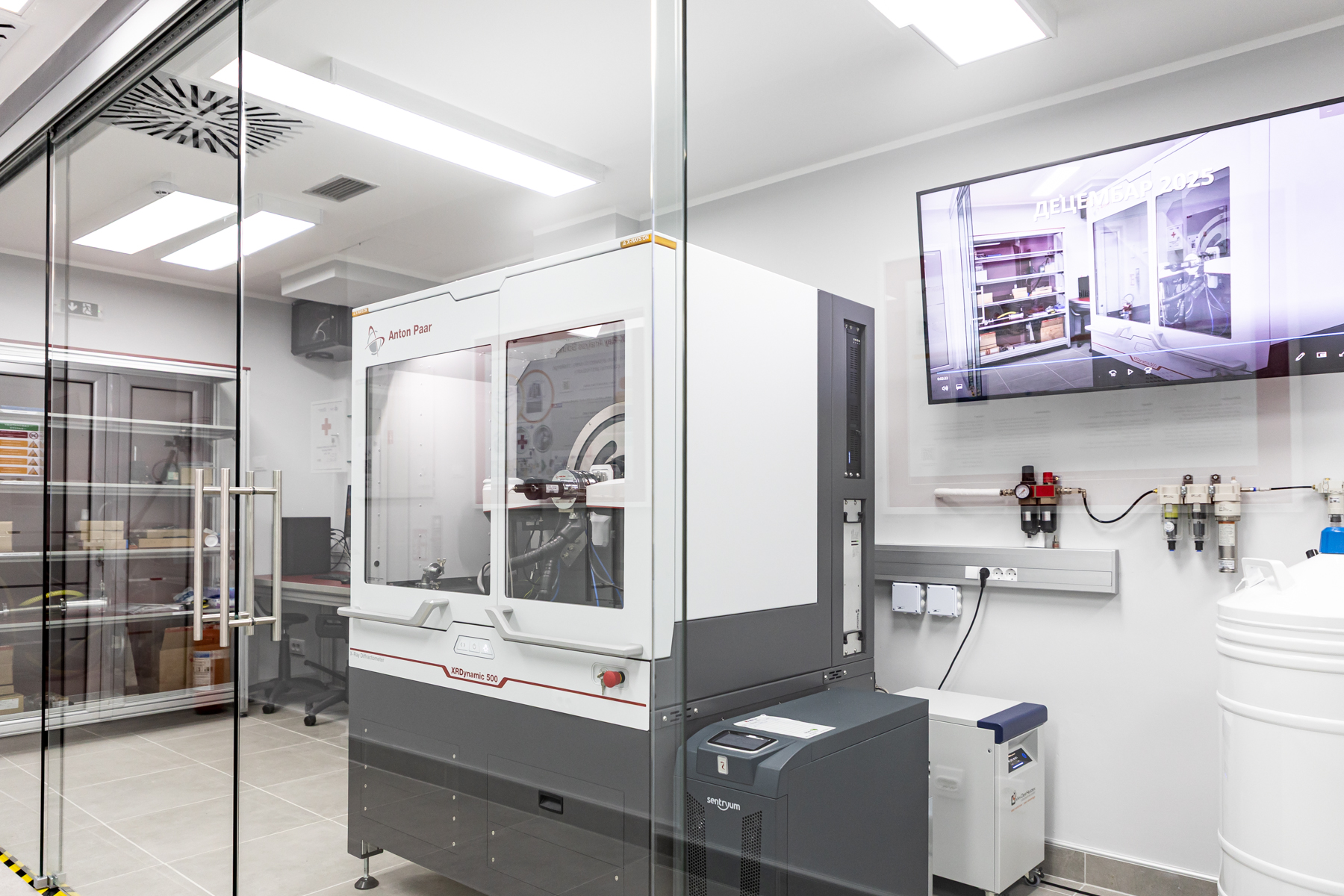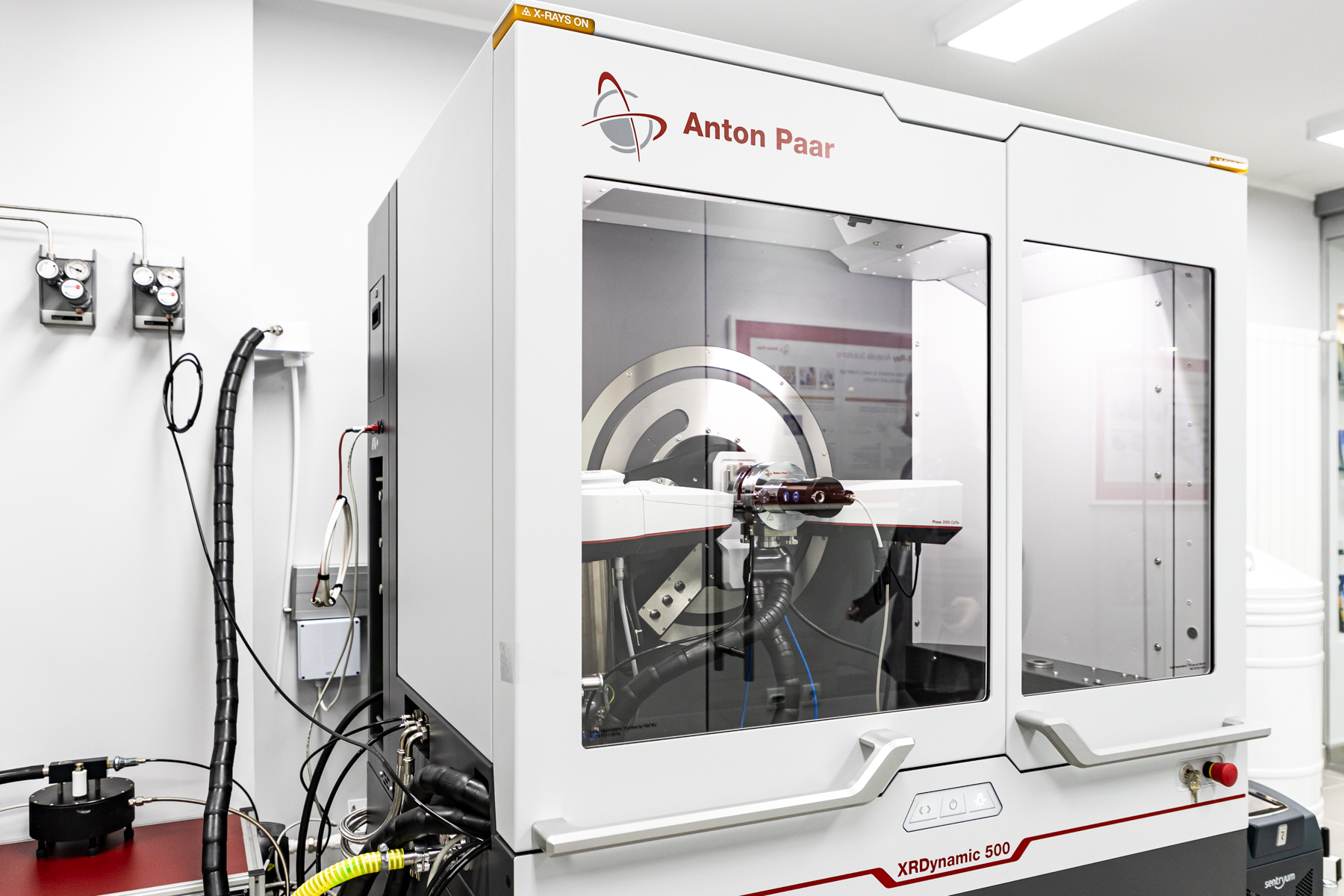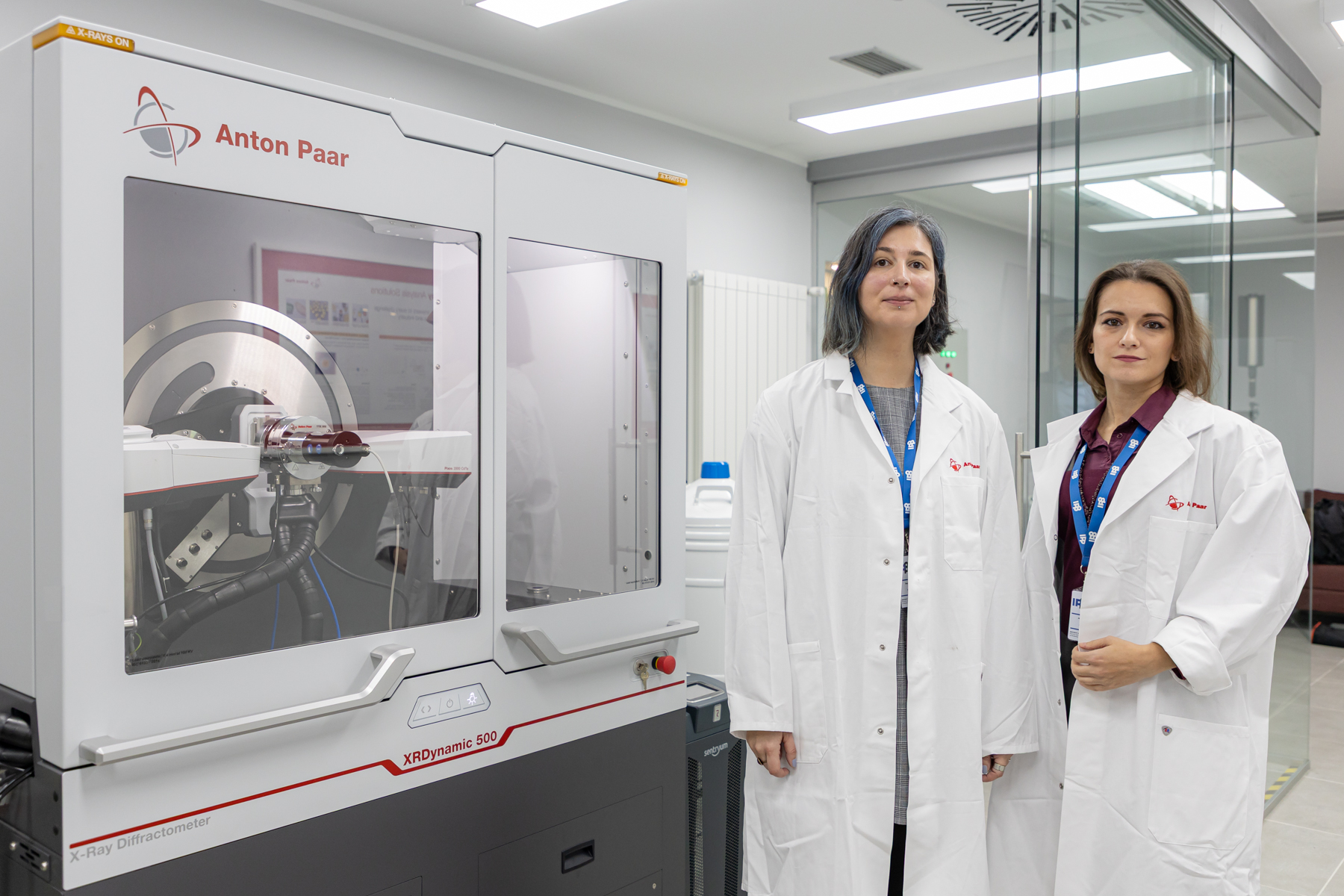
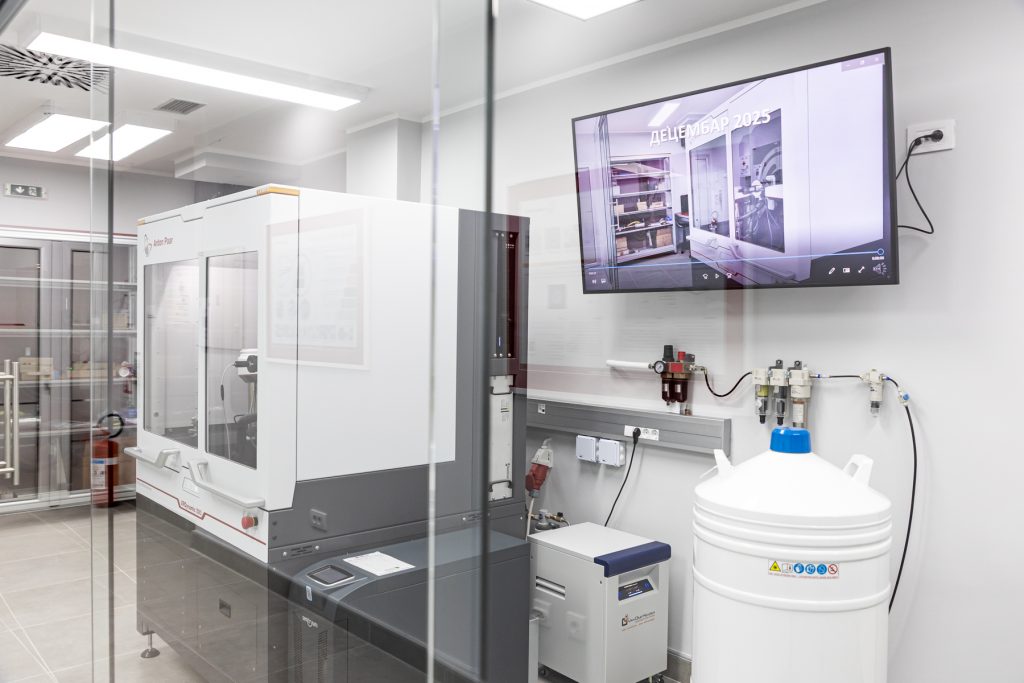
The Training Center for the Advanced Structural Analysis has officially opened at the Institute of Physics Belgrade, marking an important step in strengthening experimental infrastructure for materials research. The Horizon Europe ERA Chair project HIP-2D-QM (Hidden Phases in 2D Quantum Materials) enabled the establishment and full equipping of the Training Center, which now supports advanced structural characterization and training activities. The Training Center includes a state-of-the-art X-ray diffractometer (XRD) valued at €350,000, the largest single equipment investment, together with additional instrumentation and dedicated training facilities. These resources enable advanced atomic- and molecular-scale structural research that was previously unavailable in Serbia and position the Center as a regional training hub for the Western Balkan region.
A New Hub for Advanced Structural Characterization
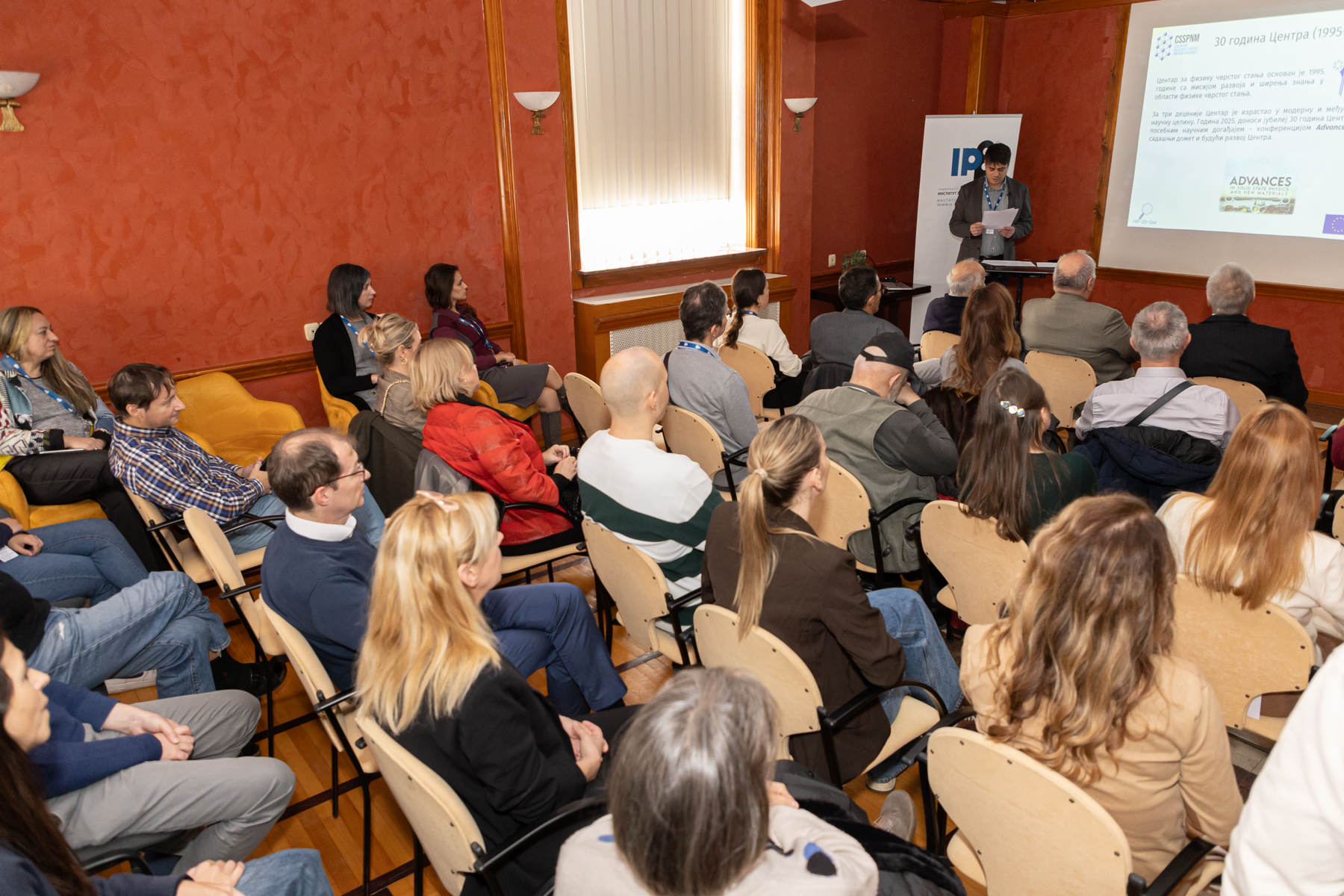
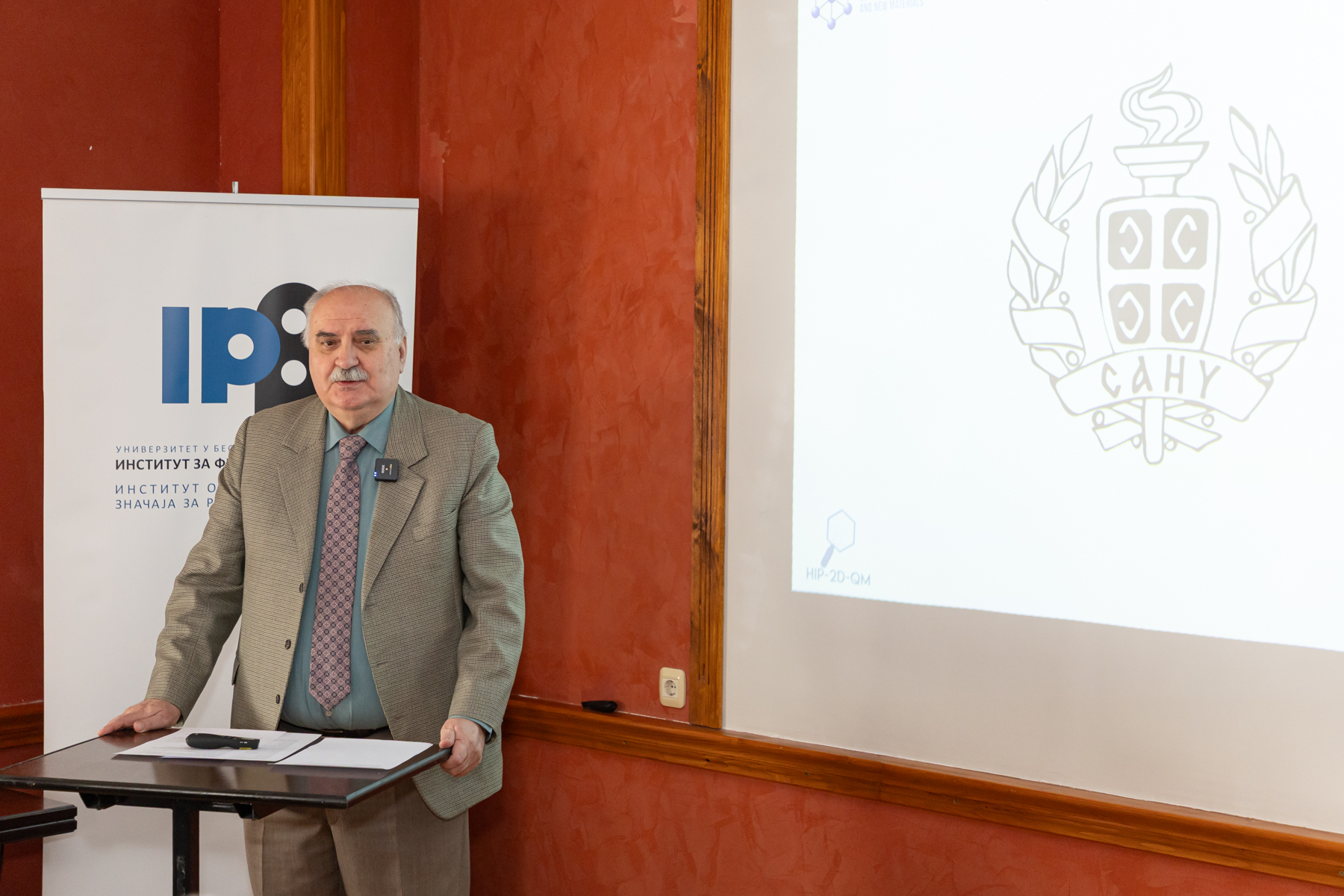
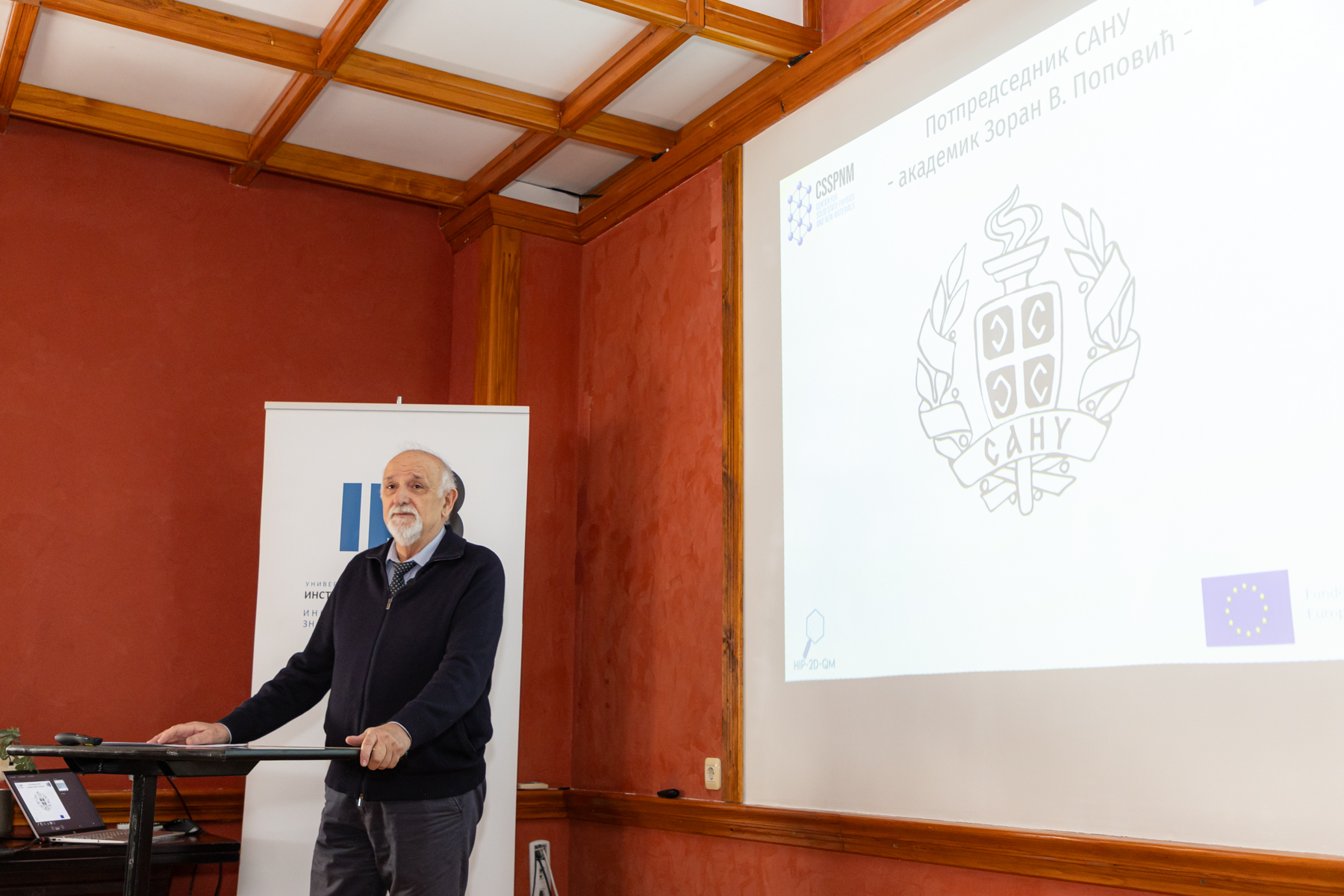
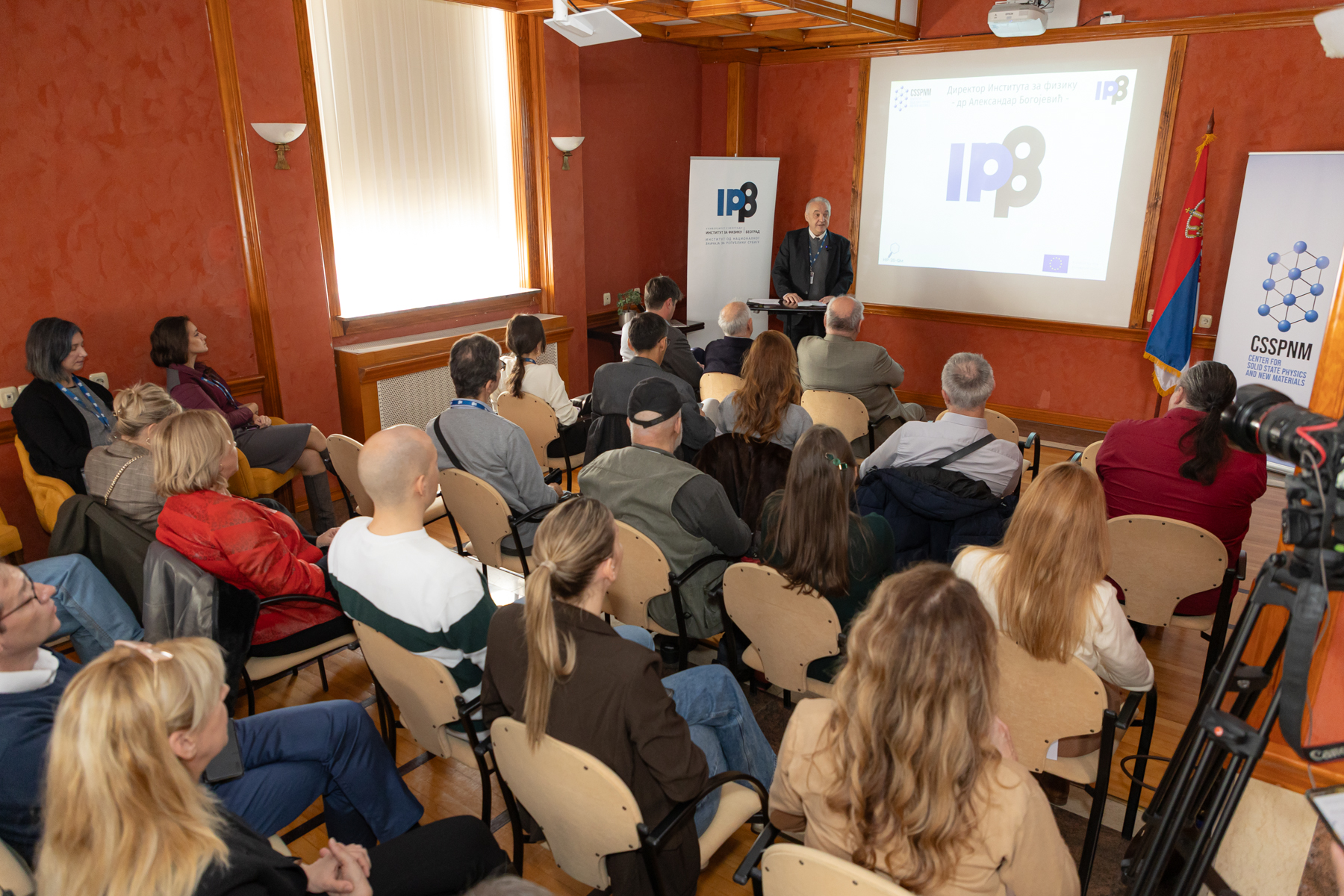
At the opening ceremony, Dr Nenad Lazarević, Head of the Center for Solid State Physics and New Materials and Coordinator of the HIP-2D-QM project, addressed the audience. Welcoming remarks were also delivered by Academician Zoran Knežević, President of the Serbian Academy of Sciences and Arts (SANU); Academician Zoran V. Popović, Vice President of SANU and founder of the Center for Solid State Physics and New Materials; and Prof. Dr Aleksandar Bogojević, Director of the Institute of Physics Belgrade.
In their speeches, the speakers addressed the development of the Institute of Physics, the strengthening of its Centers of Excellence, and advances in research infrastructure and scientific output. They emphasized the importance of establishing the Training Center for the further development of the Center for Solid State Physics and New Materials, for the Institute as a whole, and for the advancement of science and research in Serbia.
Opening Ceremony and Institutional Perspectives
Addressing the strategic role of ERA Chair support in shaping the Center’s long-term vision, Dr Nenad Lazarević emphasized the impact of the HIP-2D-QM project on sustainable development:
“The ERA Chair support made it possible for us to realize our vision. This year, the Center for Solid State Physics and New Materials marks thirty years of existence and stands as one of the Institute’s four Centers of Excellence. Over the years, we have developed and continuously improved a wide range of experimental and analytical methods in materials science, through which the Center has gained international recognition.”
Dr Lazarević also highlighted the new scientific directions enabled by the HIP-2D-QM project, particularly through international knowledge transfer:
“The project introduced new methodologies and previously unexplored research directions. The return of Dr Emil Božin from Brookhaven National Laboratory brought advanced techniques, such as pair distribution function (PDF) analysis, which—supported by the new X-ray diffractometer—will now be transferred to future generations of researchers in our region.”
From the perspective of national scientific policy and institutional support, Academician Zoran Knežević, President of SANU, emphasized the Academy’s commitment to physics research:
“The Institute of Physics will have a reliable partner and full support within the Serbian Academy of Sciences and Arts, which closely follows the development of physics and the work of the Institute.”
Reflecting on the long-term development of the Center for Solid State Physics and New Materials, Academician Zoran V. Popović, Vice President of SANU and founder of the Center, highlighted continuity and progress:
“In this case, the story has a happy ending. Not only has what we founded and initiated been preserved, but the research conditions and activities of the Center have been significantly improved.”
Focusing on the broader institutional impact of the new Training Center, Prof. Dr Aleksandar Bogojević, Director of the Institute of Physics Belgrade, praised the achievements of the research team:
“The team working at the Center for Solid State Physics and New Materials is outstanding. They not only succeed in securing million-euro research projects, but they also manage to extract the maximum scientific value from each of them.”
State-of-the-Art X-Ray Diffraction Capabilities
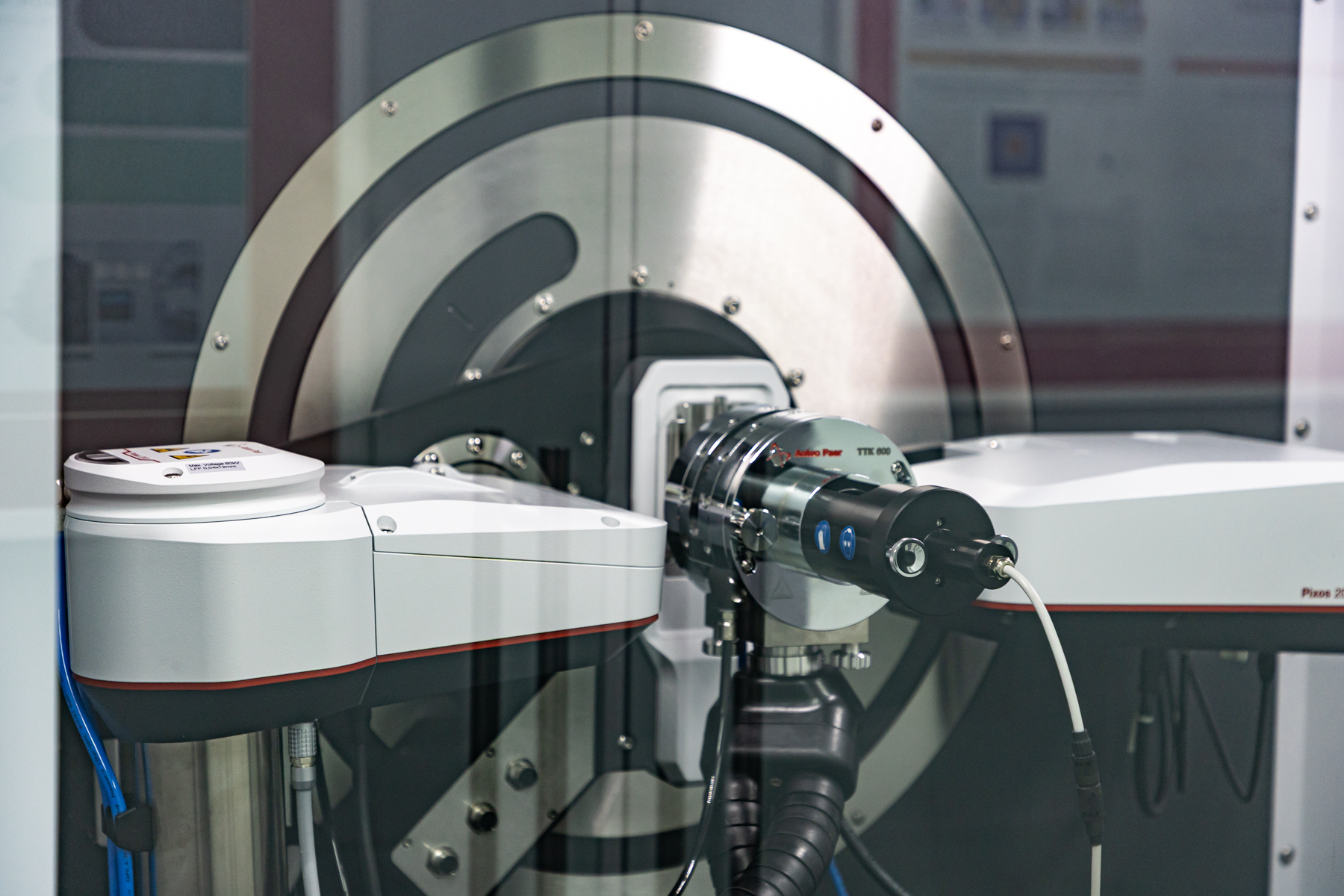
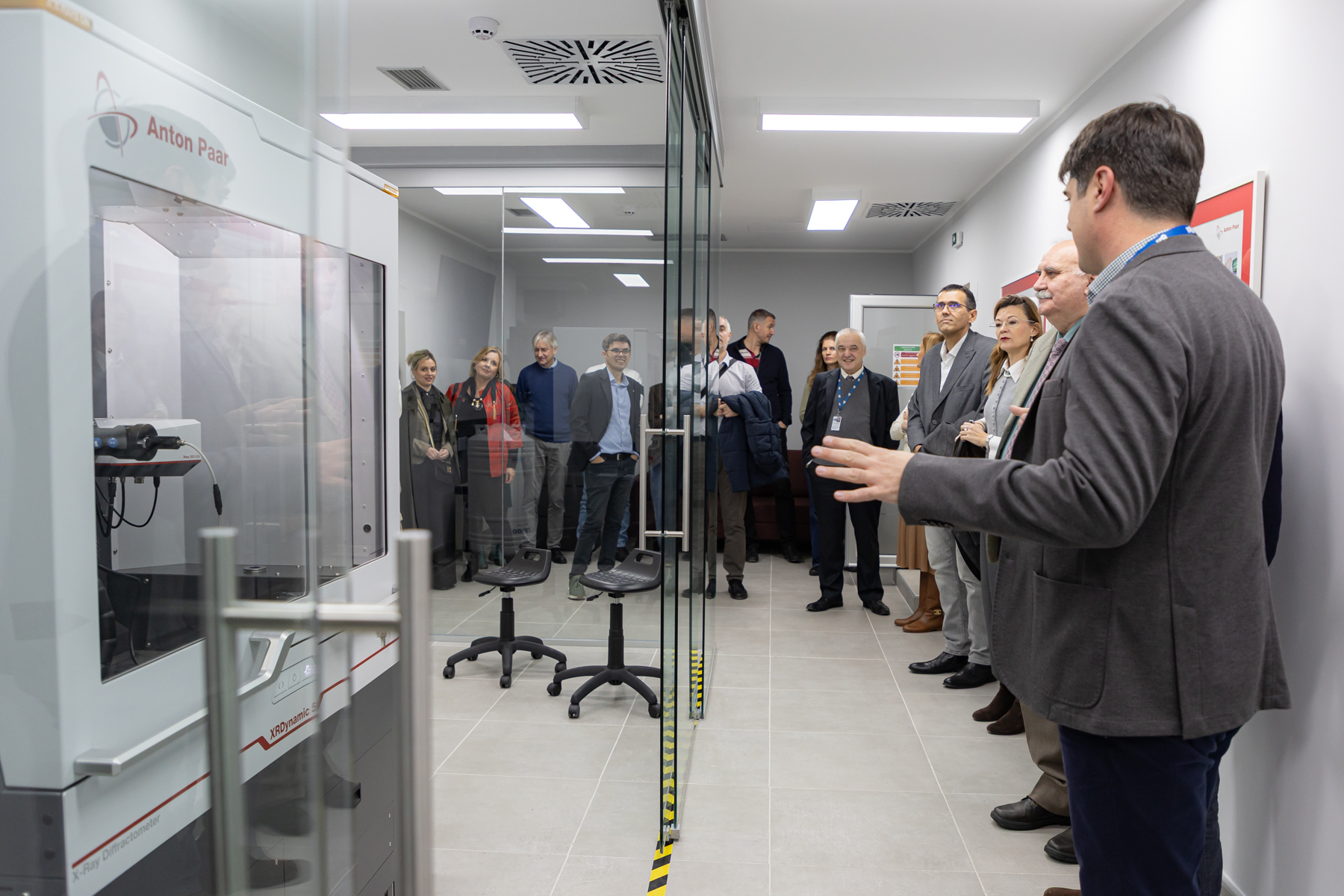
The new X-ray diffractometer directs X-rays at a sample, such as a powder or a thin film. The beam scatters from the sample’s crystalline structure at different angles. A detector records the scattered radiation and produces a diffraction pattern (diffractogram). The instrument reveals structural features that were previously “invisible” using earlier equipment. It is equipped with two types of X-ray sources and enables measurements across a wide temperature range, from −190 to +600 °C, allowing advanced temperature-dependent and in-situ studies.
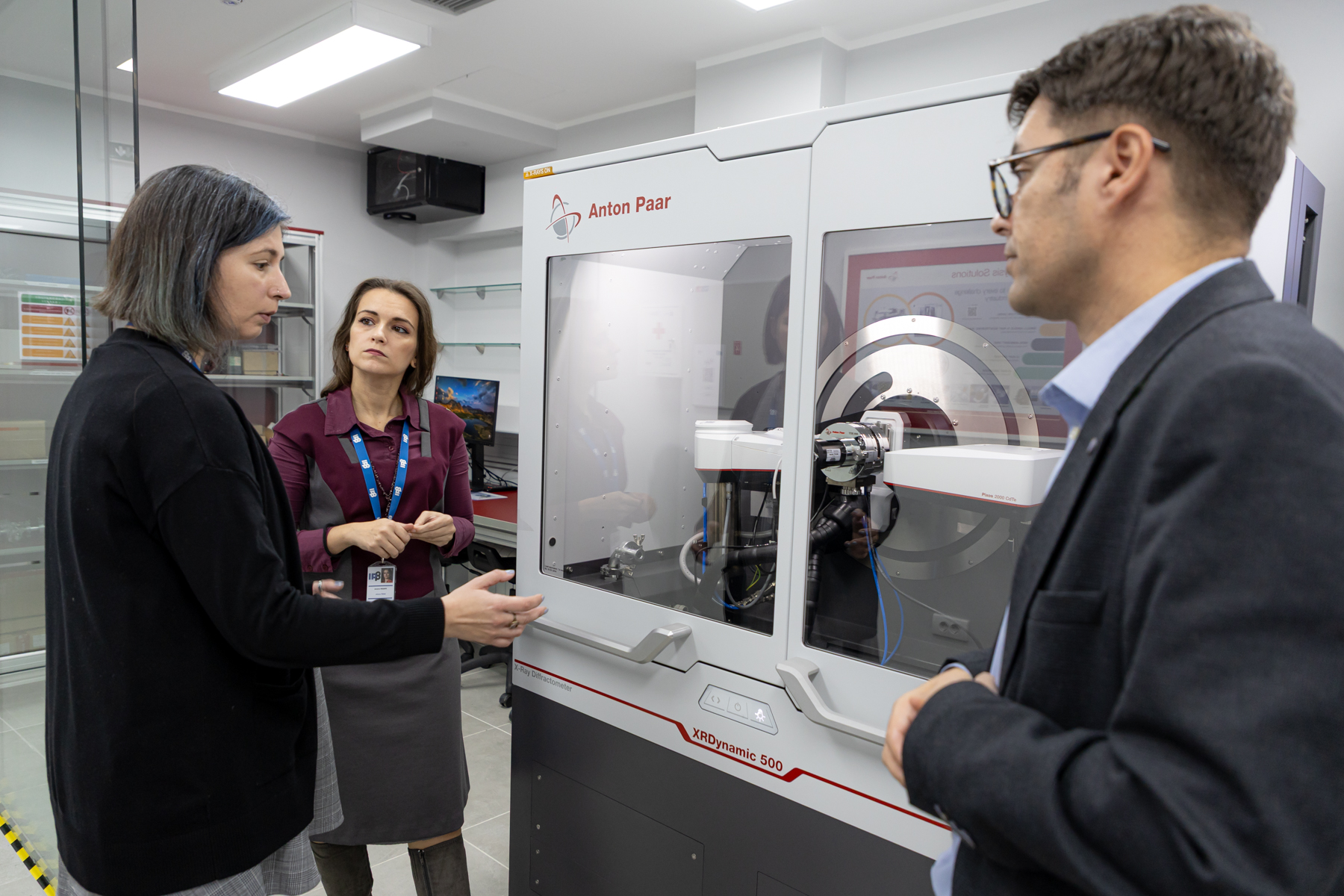
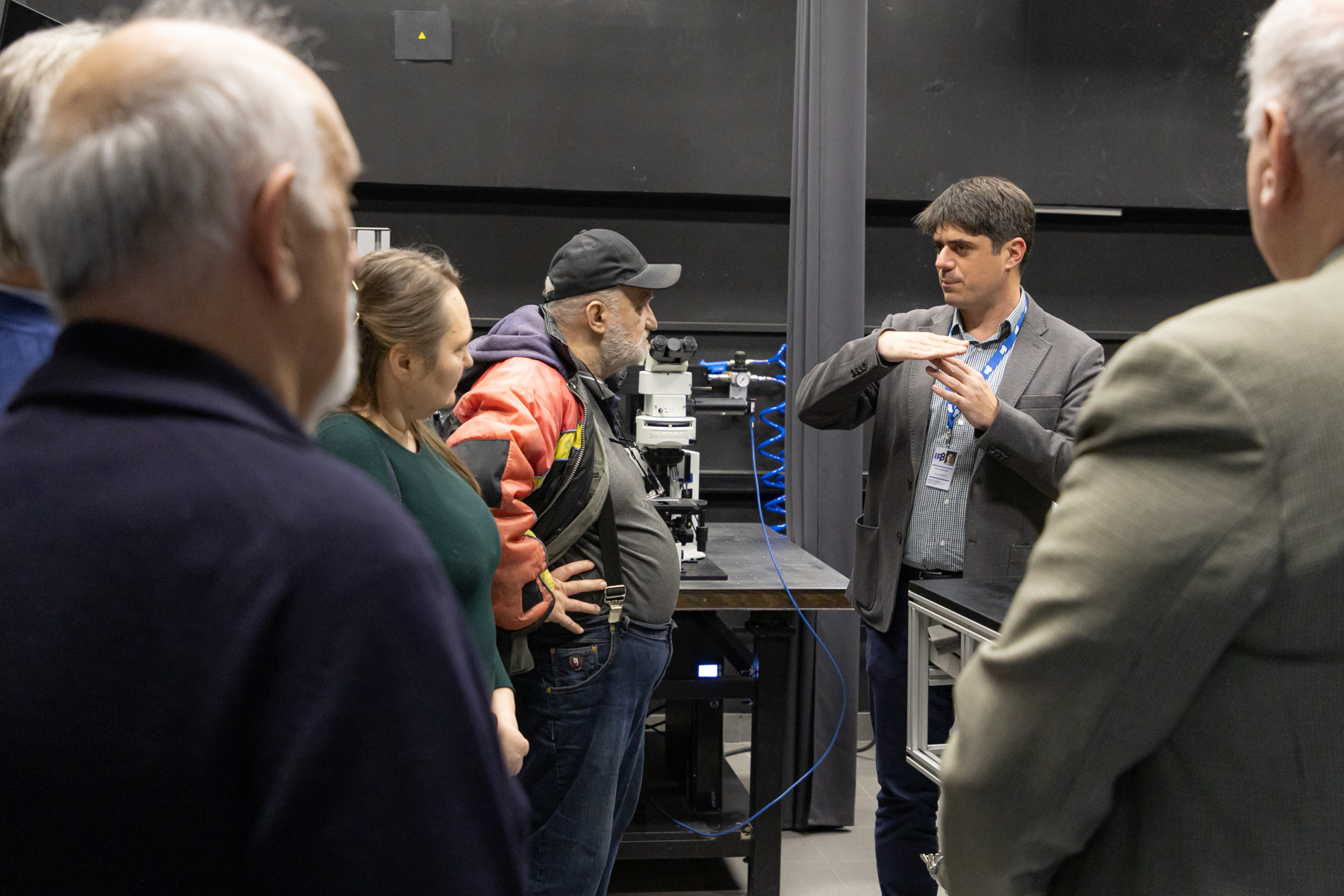
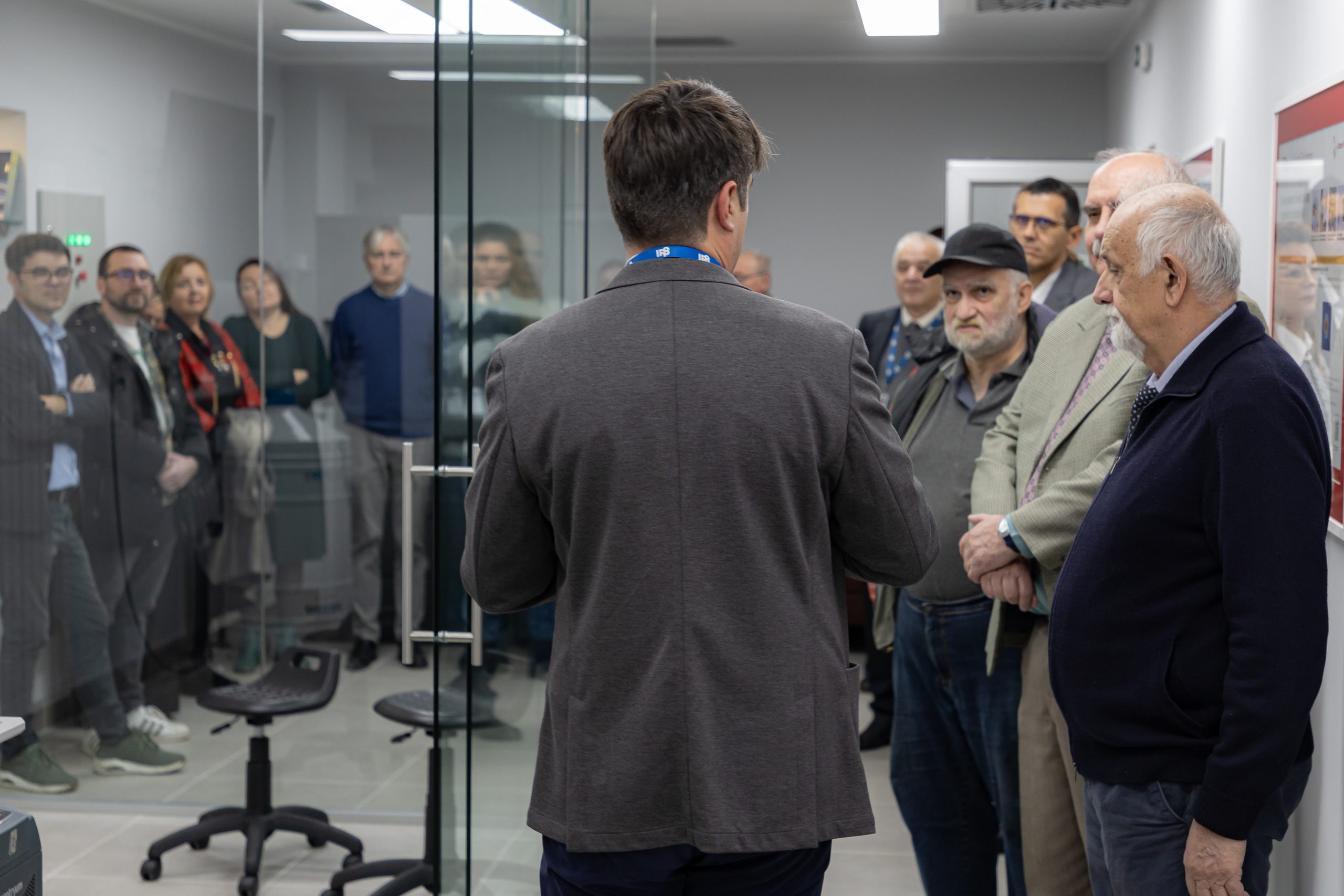
Following the formal ceremony, guests toured the new laboratory, where Dr Jelena Pešić and Dr Bojana Višić presented the capabilities of the XRD instrument and demonstrated its operation.
The new diffractometer provides a genuine “window into the unknown,” enabling the identification of previously unobserved phenomena and unknown material properties. While this represents a major advancement in local research capacity, it also lays the foundation for future studies at major European research infrastructures, such as synchrotron and neutron facilities. Results obtained with the Institute’s XRD will serve as a critical entry point for further high-precision investigations.
The opening of the Training Center for the Advanced Structural Analysis marks a key milestone of the HIP-2D-QM project, strengthening experimental infrastructure, expanding research capacity, and reinforcing the Institute of Physics Belgrade as a leading regional hub for advanced materials research.
Photos by Bojan Džodan