Open post

Workshop on Writing succesful Horizon Europe Project Proposals

Workshop on Writing Successful Horizon Europe Project Proposals

Date:

Place:

Type of Activity:

October 17th 2025

IPB

Training activity

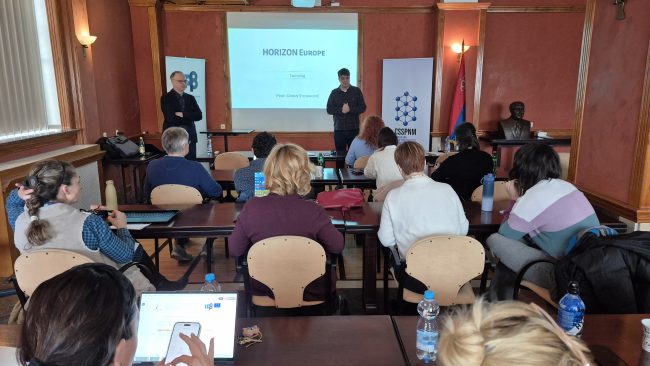
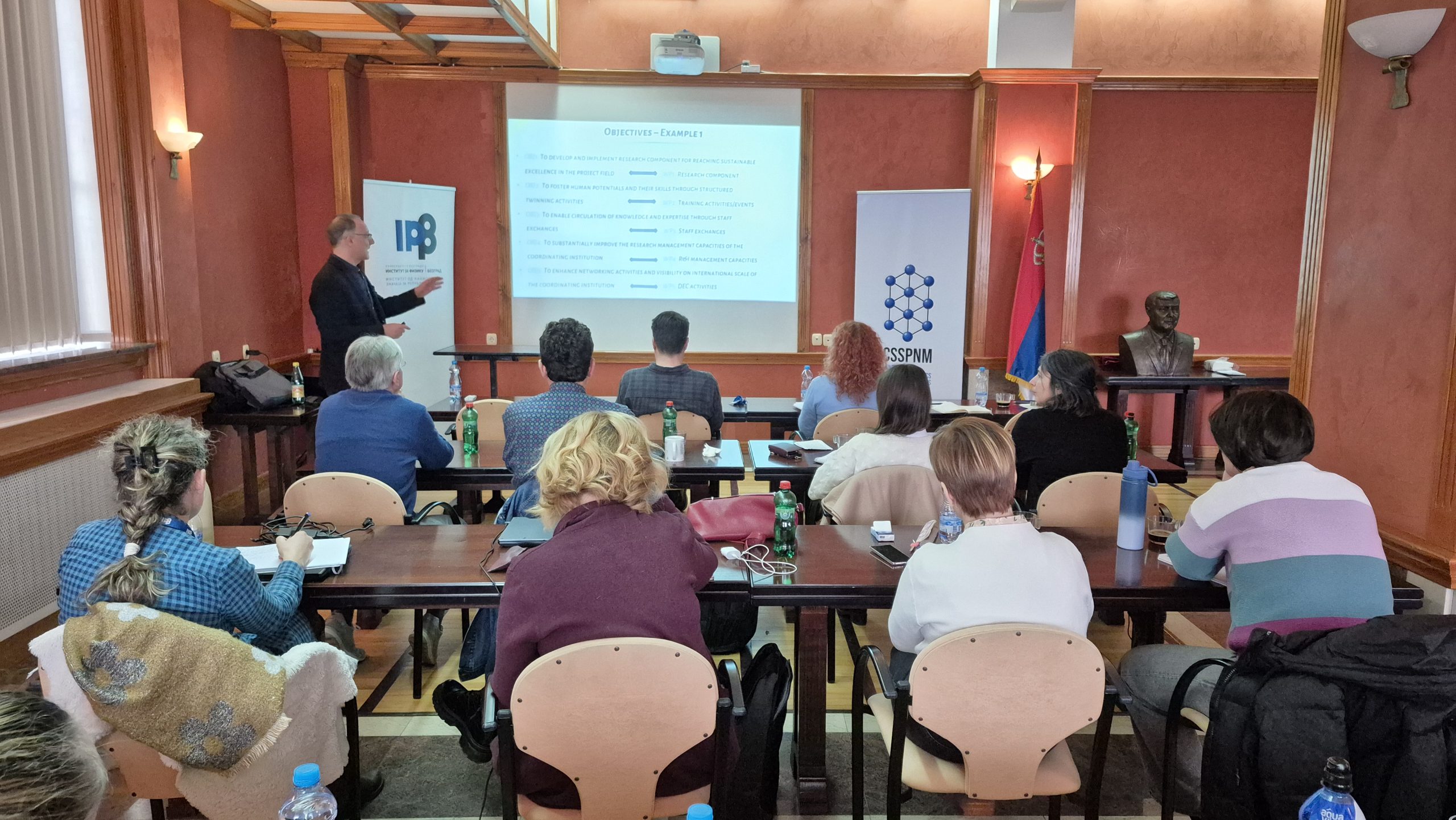
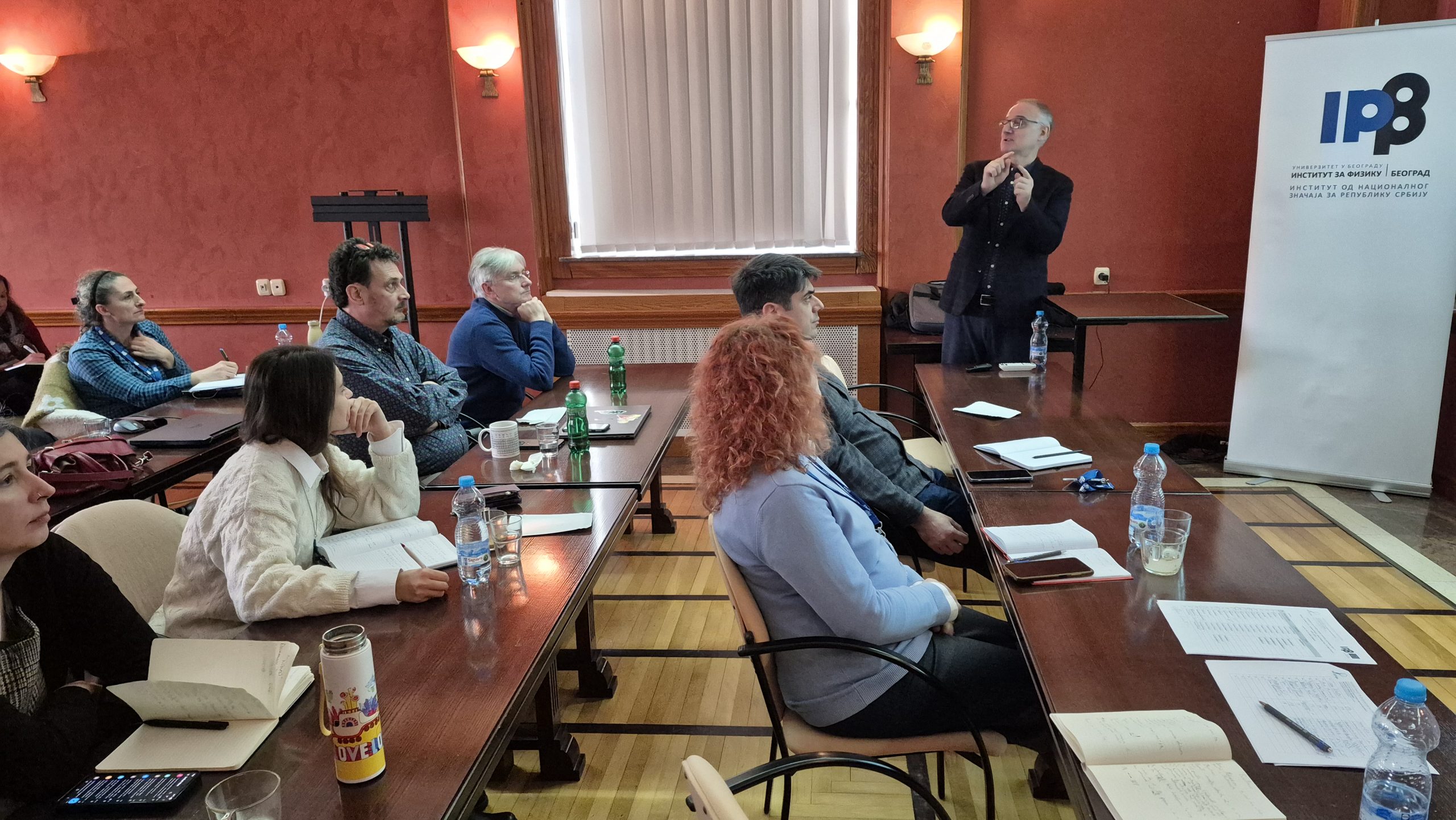
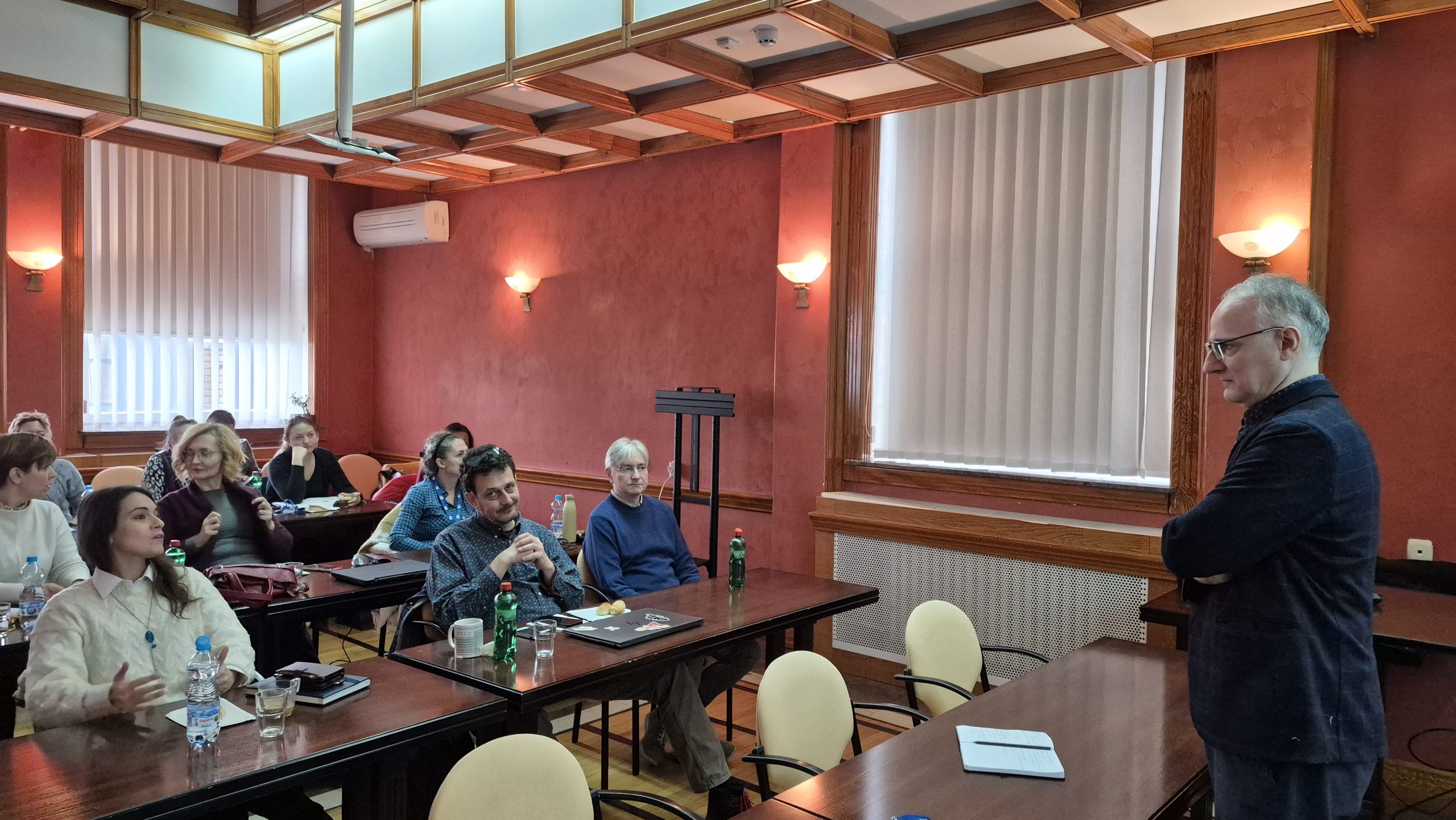
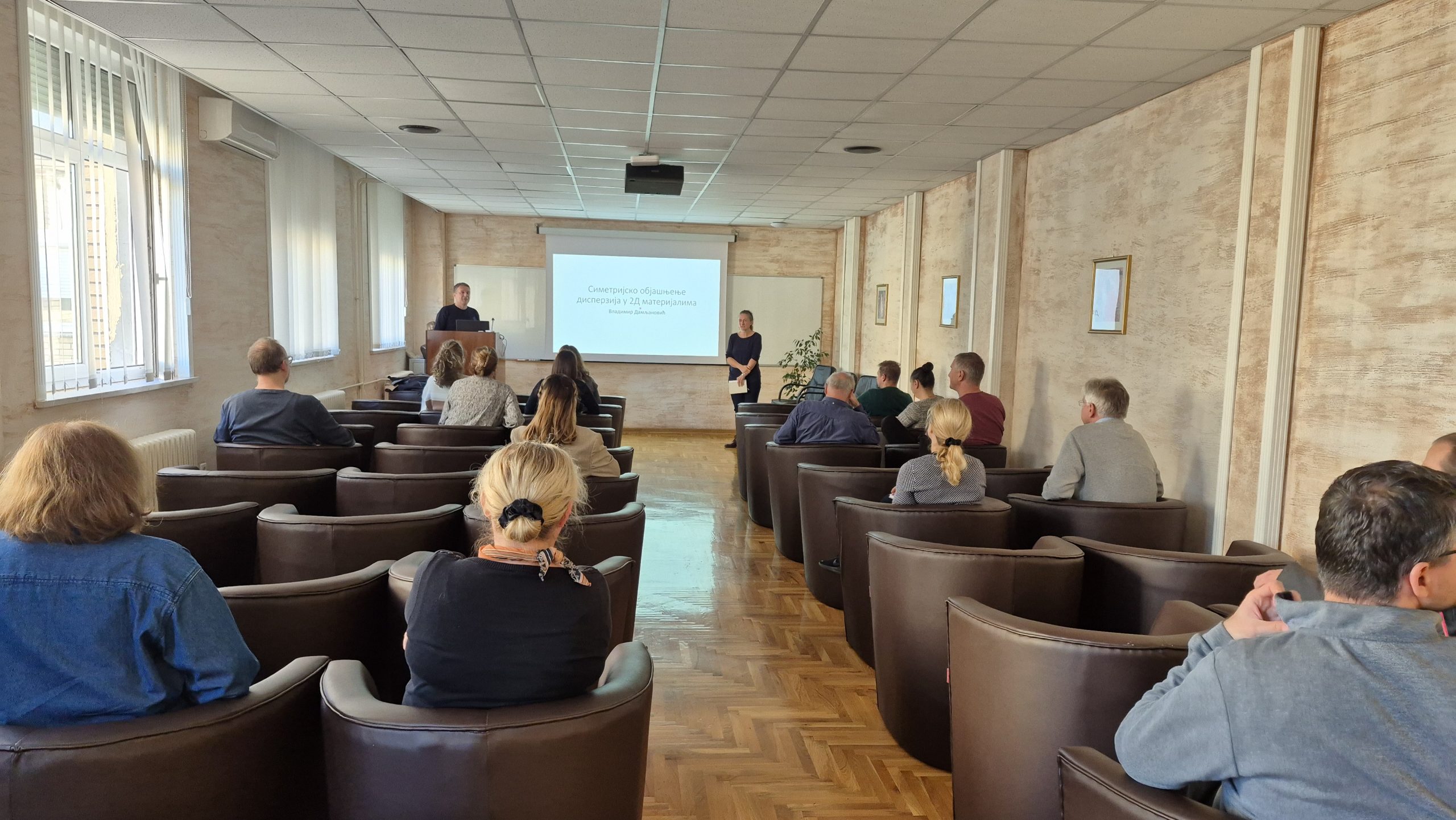
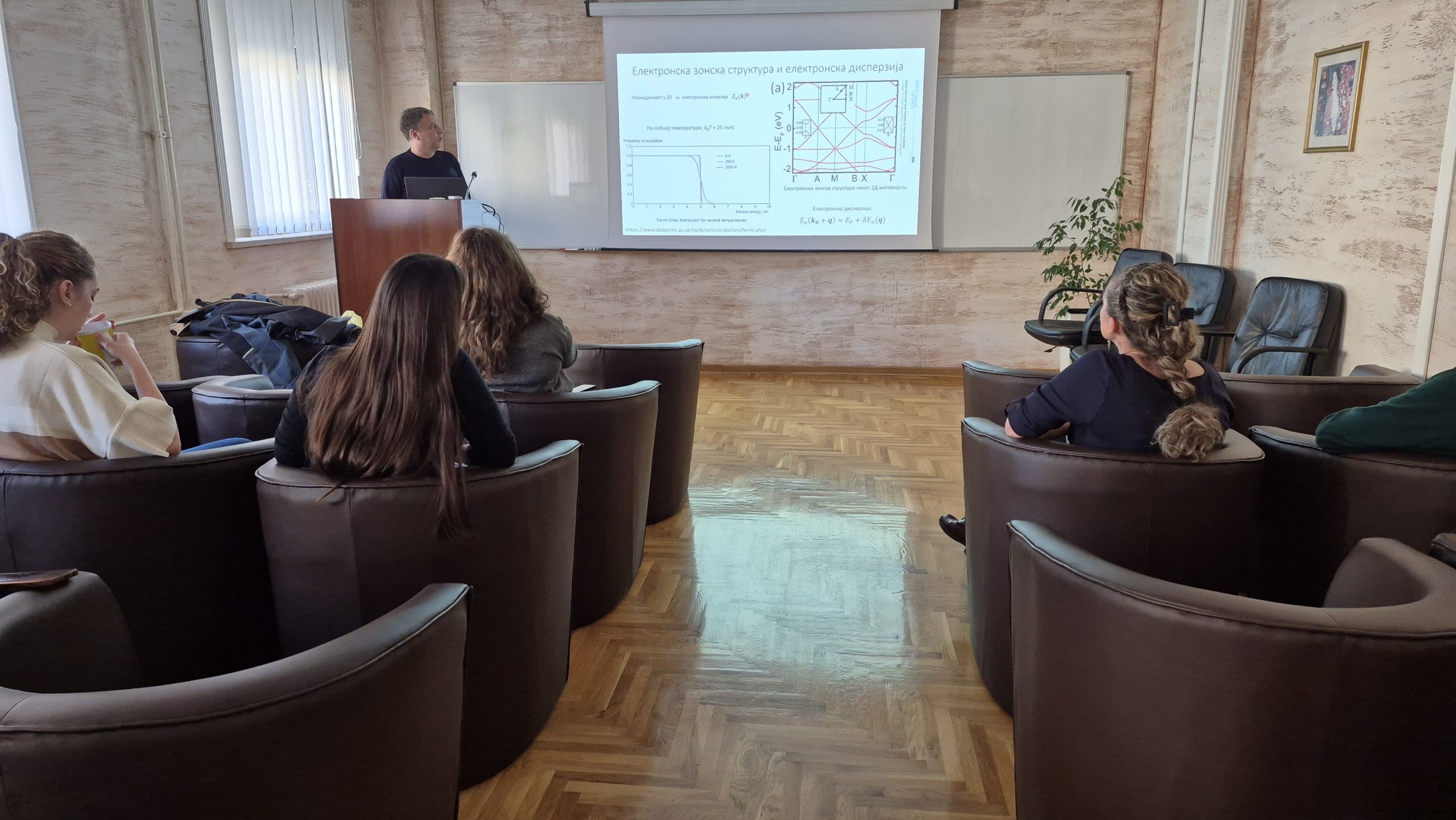
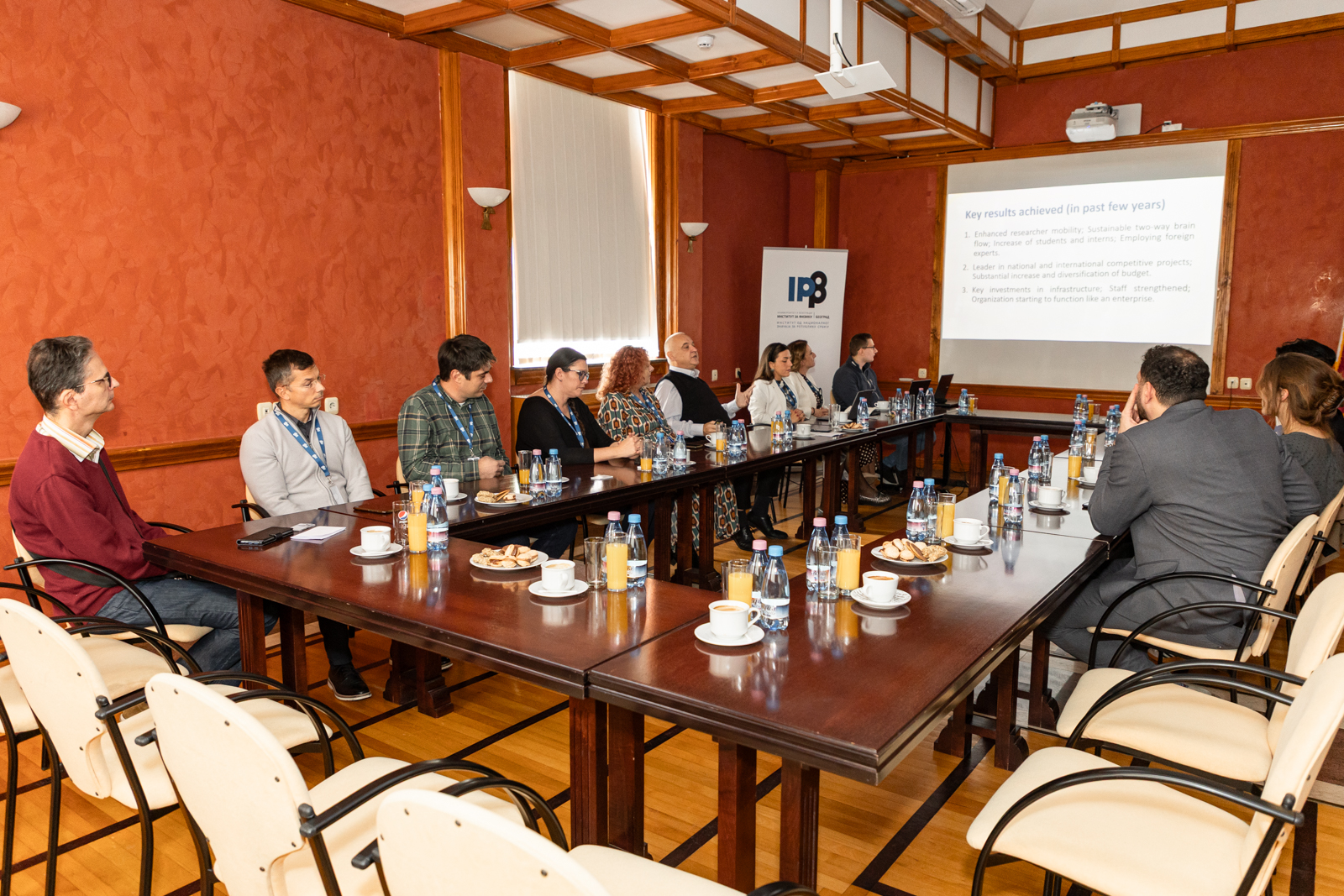
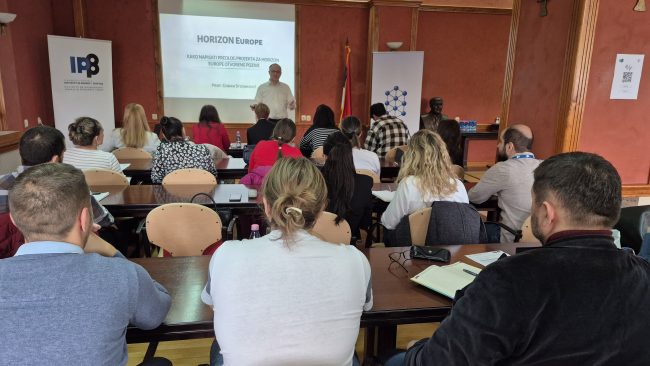
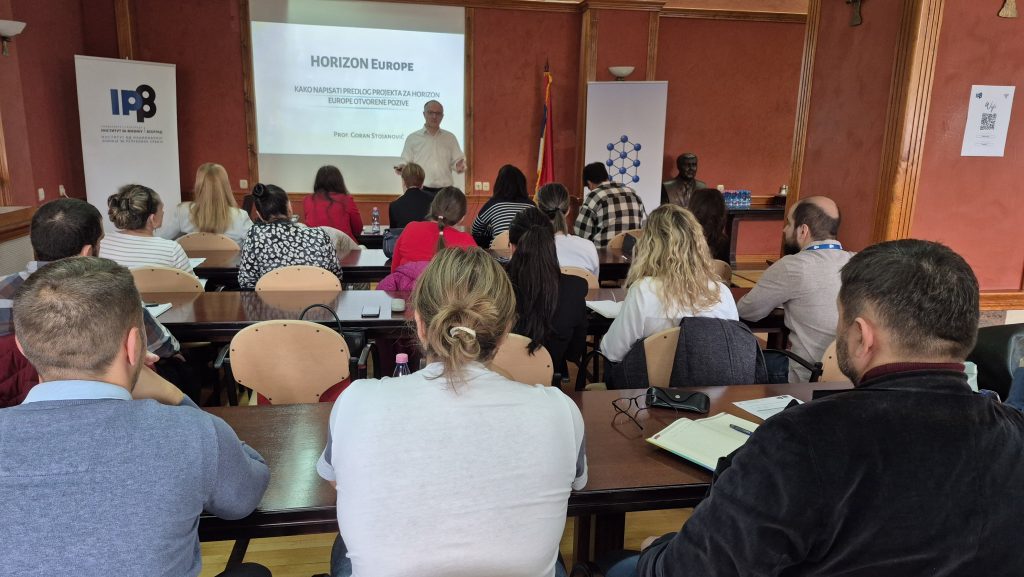
The Center for Solid State Physics and New Materials at the Institute of Physics Belgrade organized the Workshop on Writing succesful Horizon Europe Project Proposals within the framework of the HIP-2D-QM project.

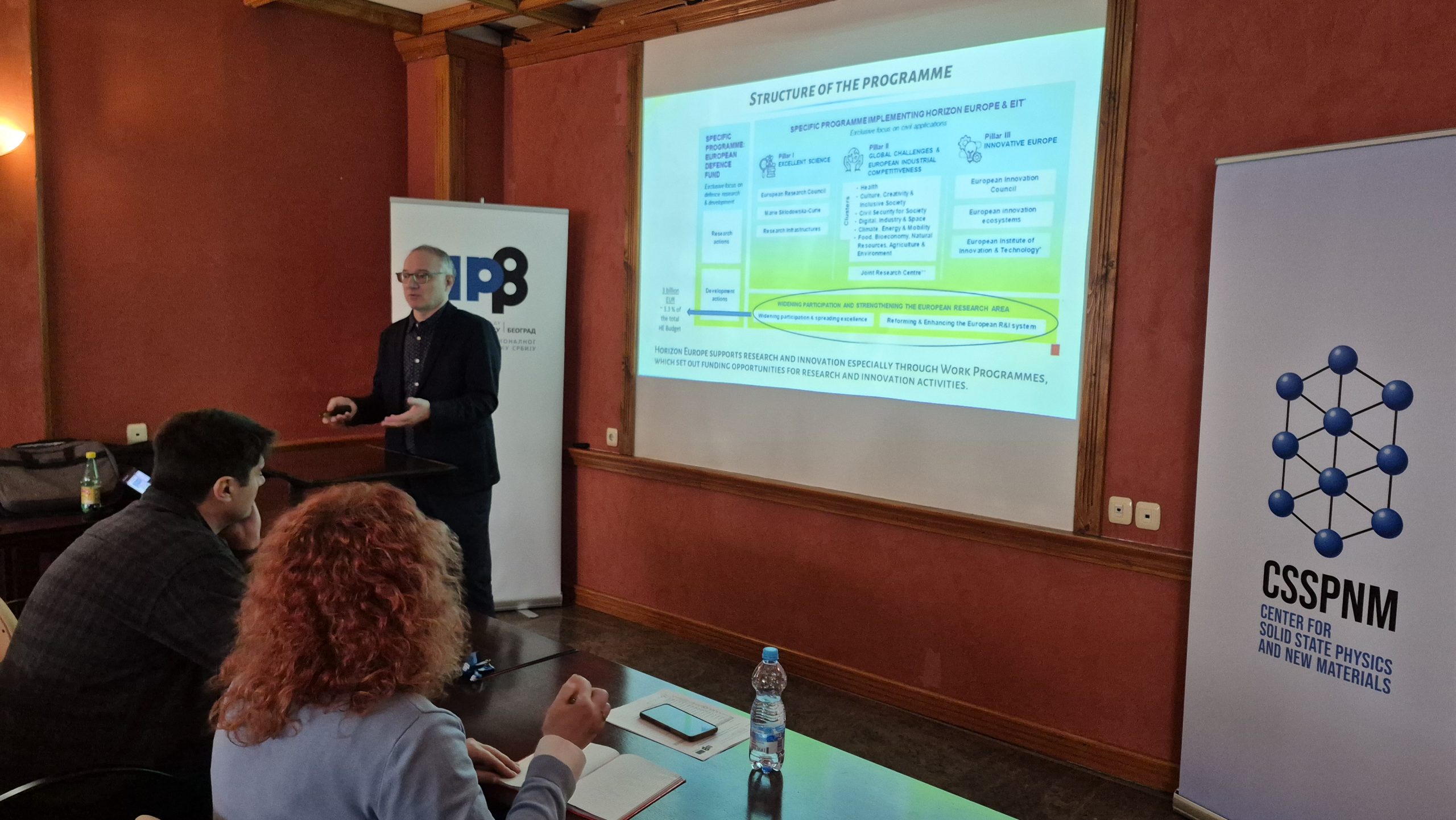
Prof. Dr Goran Stojanović led the session, providing researchers and project teams with practical guidance on preparing competitive proposals for the Horizon Europe program. He shared advice on identifying suitable open calls, setting clear objectives, and aligning project ideas with EU priorities and expected outcomes.
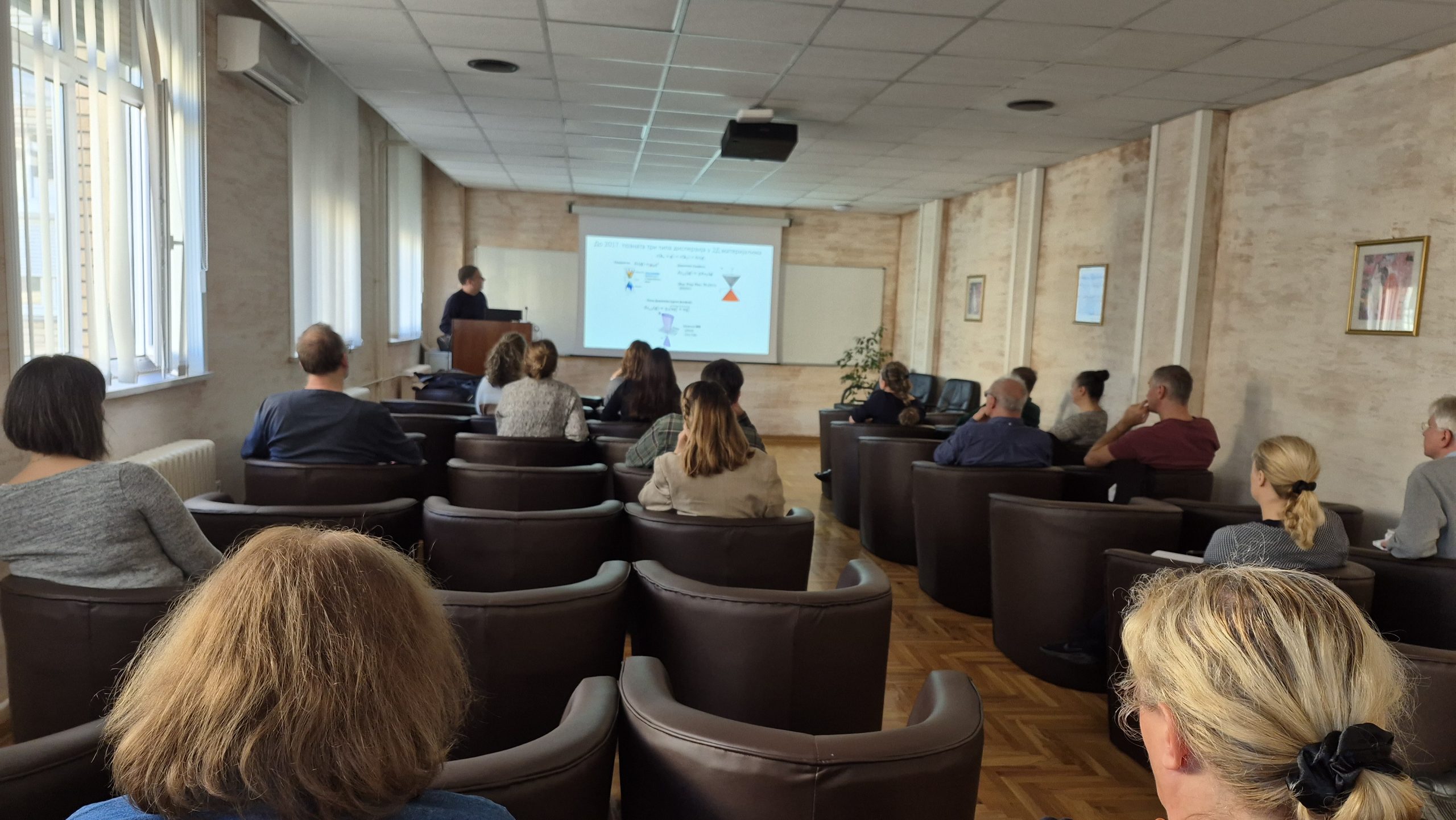
The Workshop on Writing succesful Horizon Europe Project Proposals focused on improving proposal structure, clarity, and impact. Participants learned how to highlight innovation potential, strengthen scientific and societal relevance, and demonstrate feasibility. Prof. Stojanović also presented examples of successful Horizon Europe projects and discussed common challenges in the application process, emphasizing teamwork, measurable goals, and effective communication.

Through this event, participants gained practical skills to transform strong research ideas into competitive funding applications. The workshop contributes to the HIP-2D-QM project’s broader goal of enhancing research excellence, skills, and capacity in advanced materials science.


Open post

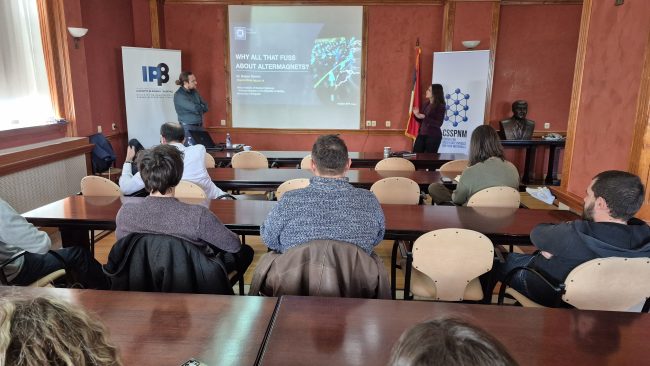
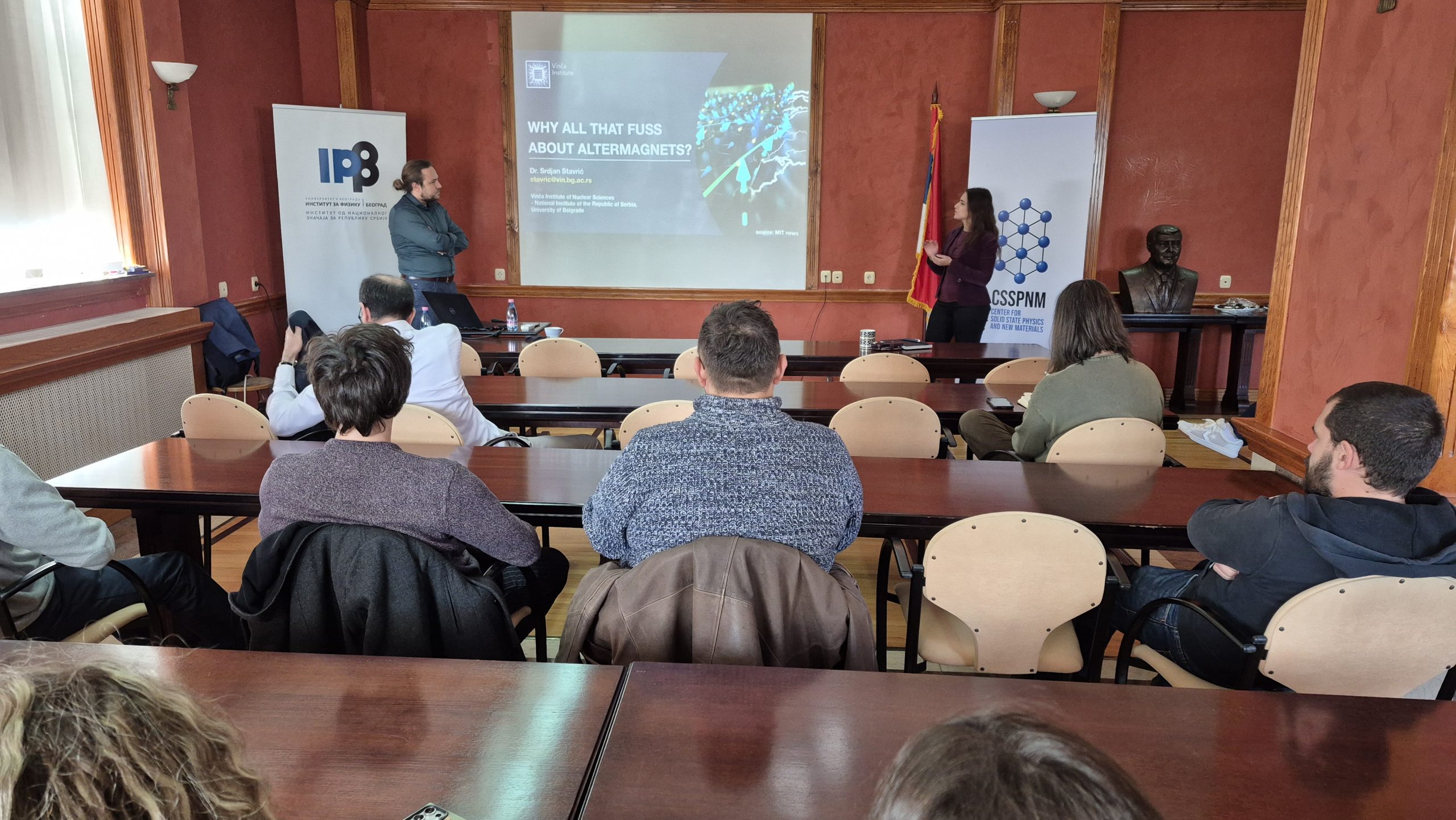
Seminar on Altermagnets by Dr. Srđan Stavrić

Seminar on Altermagnets by Dr. Srđan Stavrić

Date:

Place:

Type of Activity:

October 20th 2025

IPB

D&C&E activity

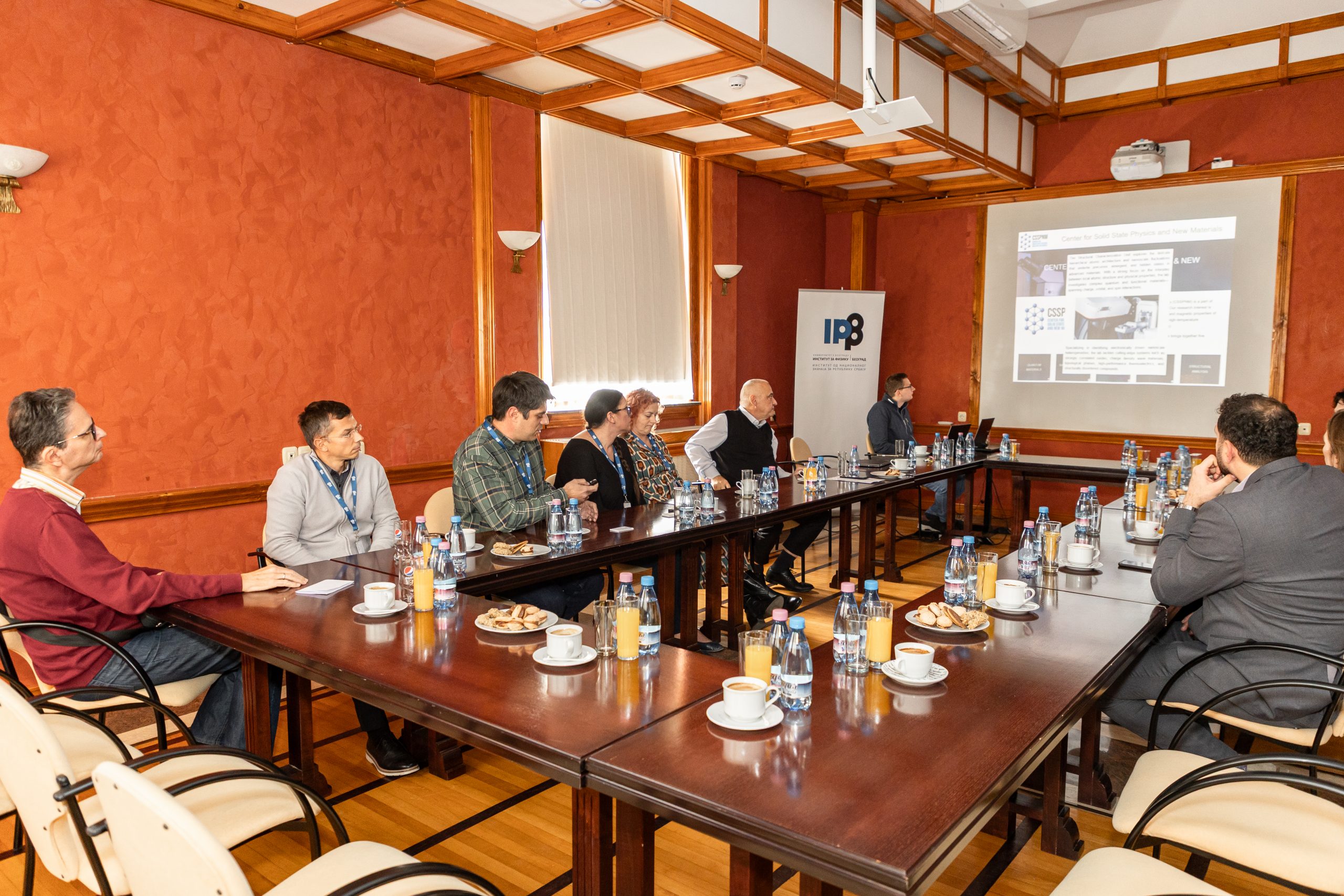
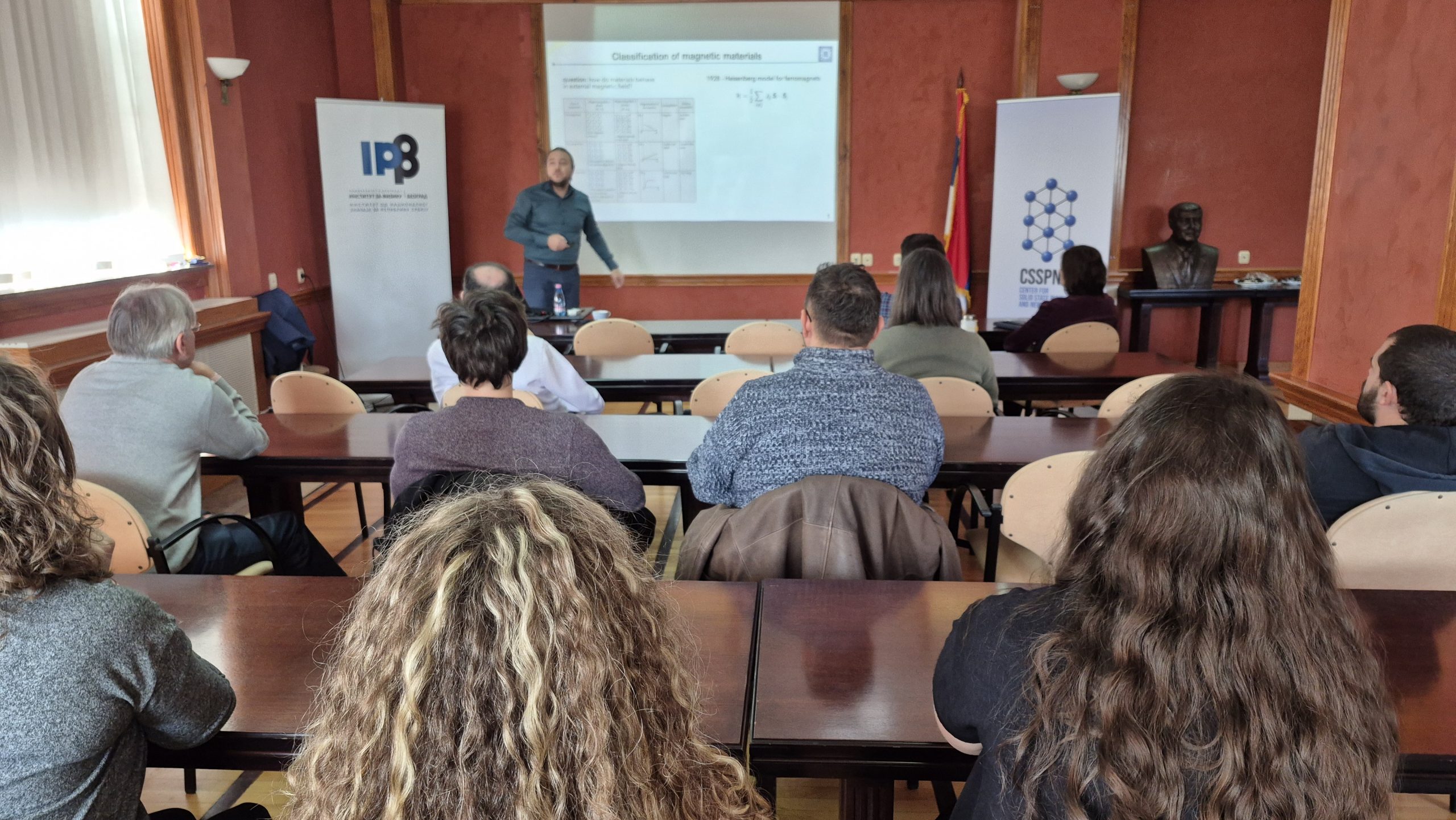
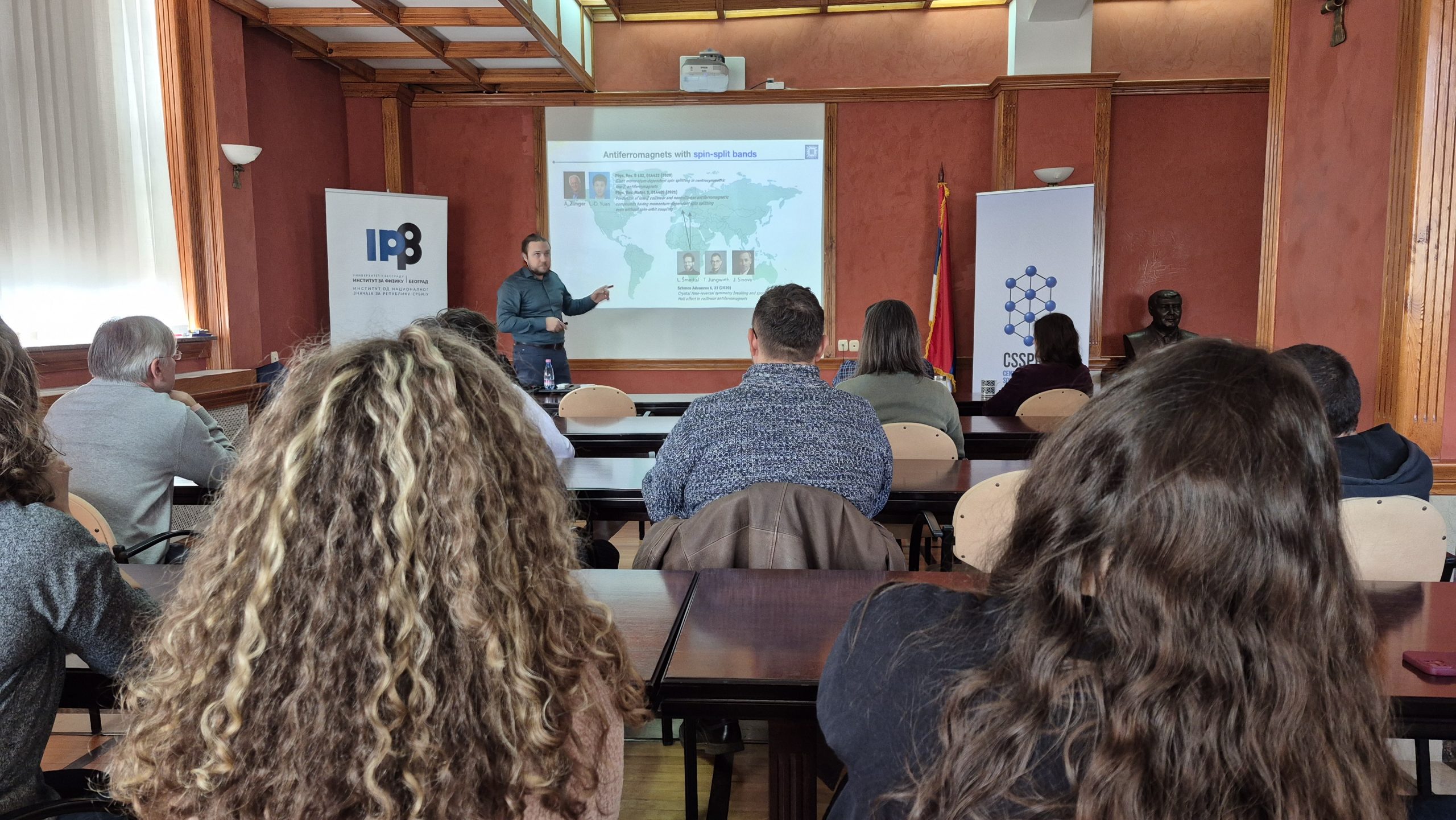
As part of the seminar series organized by the Center for Solid State Physics and New Materials at the Institute of Physics Belgrade, Dr. Srđan Stavrić (Vinča Institute of Nuclear Sciences) gave a lecture titled “Why All That Fuss About Altermagnets?” on Monday, 20 October 2025.

During the lecture, Dr. Stavrić introduced the emerging concept of altermagnets—a new class of magnetic materials that bridge the properties of antiferromagnets and ferromagnets—and discussed their symmetry-driven characteristics and potential applications in spintronics.

ABSTRACT

Altermagnets are an emerging class of magnetic materials characterized by a collinear compensated arrangement of magnetic moments and a momentum-dependent spin splitting in the band structure. This peculiar combination, arising from specific crystal symmetries, merges the most desirable traits of antiferromagnets – such as ultrafast dynamics without stray fields – with the strong time-reversal-symmetry-breaking responses characteristic for ferromagnets. Found in a diverse range of materials from metals to insulators, altermagnets offer a versatile new platform for next-generation spintronics, paving the way for high-density magnetic memory and terahertz nano-oscillators.

This talk will explore the fundamental principles and significant potential of this exciting new class of materials. We will begin by establishing a new taxonomy of collinear magnets, introducing the distinct realms of ferromagnets, antiferromagnets, and altermagnets, and extending the concept to non-collinear p-wave magnets. A special focus will be on recent observation of p-wave magnetism in a spin-spiral type-II multiferroic NiI₂. We will explore how the symmetry-protected coupling between chirality and polar order enables electrical control of a primarily non-relativistic spin polarization in this material.

Finally, we will examine the role of spin-orbit coupling in altermagnets and show what implications it may have on electronic and magnetic properties. In particular, we will focus on two-dimensional altermagnets, where this relativistic interaction cannot be neglected as it is the source of the magnetic anisotropy which is crucial for stabilizing long-range magnetic order at finite temperatures.

Open post

Seminar on Van der Waals Nanotubes by Dr. Bojana Višić

Seminar on Van der Waals Nanotubes by Dr. Bojana Višić

Date:

Place:

Type of Activity:

October 10th 2025

IPB

D&C&E activity

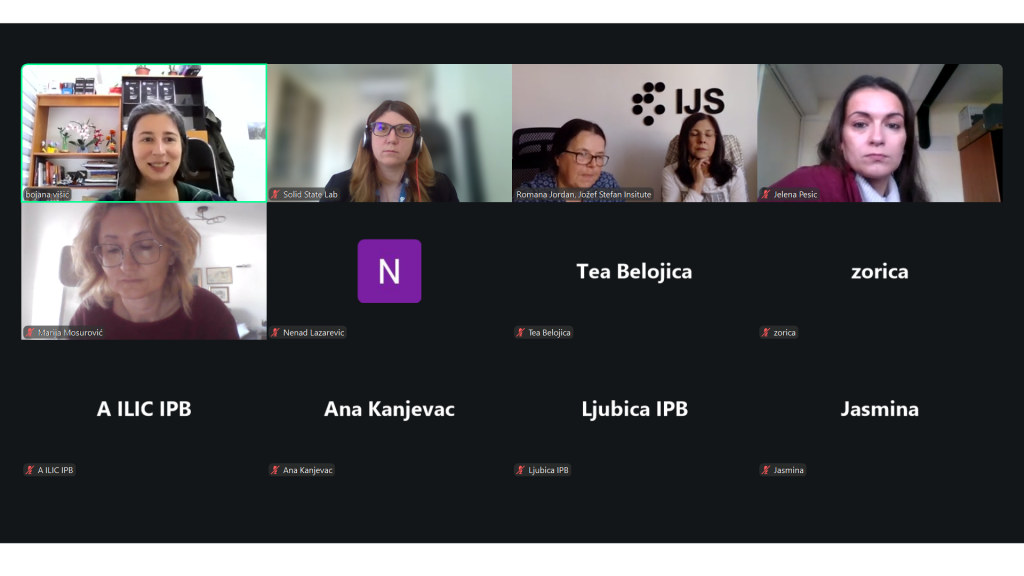
As part of the seminar series organized by the Center for Solid State Physics and New Materials at the Institute of Physics Belgrade, Dr Bojana Višić gave a lecture titled “Van der Waals Nanotubes – From Synthesis to Applications” on Friday, 10 October 2025.

Dr Višić presented recent advances in the synthesis, structure, and applications of transition metal dichalcogenide (TMDC) nanotubes, emphasizing their unique optical, electronic, and mechanical properties. The talk highlighted how these nanomaterials connect fundamental research and technological applications.

ABSTRACT

Semiconducting transition metal dichalcogenides (TMDCs) can be synthesized in a wide range of structures and geometries, including closed cage nanostructures, such as nanotubes (NTs) or fullerene-like nanoparticles. Individual multiwalled WS₂ and MoS₂ NTs are having a resurgence of interest, as interesting optical and electrical properties have been reported in recent years. They are especially intriguing due to their stability, enhanced light–matter interactions, and ability to sustain exciton-polaritons in ambient conditions, i.e., strong coupling of excitonic resonances to the optical cavity. Namely, these nanotubes act as quasi-1D polaritonic nanosystems and sustain both excitonic features and cavity modes in the visible–near-infrared range. This ability to confine light to subwavelength dimensions under ambient conditions is induced by the high refractive index of WS₂.

On the other hand, NTs have been vastly neglected as possible alloyed TMDC. Most of the research so far, both theoretically and experimentally, focused on flat, two-dimensional structures, with only a few reports that focused on non-carbon-based alloyed NTs. Additionally, TMDCs have opened a new frontier in the area of field emission devices, due to their layered structure and the presence of thin and sharp edges with high aspect ratios which enhance the local electric field. We grew highly crystalline multiwalled Mo₁₋ₓWₓS₂ NTs via the chemical vapour transport method, with the molybdenum and tungsten atoms randomly distributed within the crystal structure. A detailed analysis of the ED patterns from an eight-layer nanotube revealed that they grow in the 2H structure, with each shell consisting of one bilayer. The work function of the NTs is comparable than that of pure MoS₂ and lower of pure WS₂ NTs, making them ideal candidates for field emission applications.

Various TMDC NTs promise a wide spectrum of physical effects beyond the physics of CNTs. They have a high aspect ratio, high specific surface area and excellent mechanical and vibrational/acoustic properties, making them suitable as composite nanofillers as only a small amount can be used for forming a conductive path [5]. Furthermore, MS₂ NTs disperse well in all commonly used solvents, simplifying composite preparation.

Open post

Workshop – Focus on Women in Science

Workshop – Focus on: Women’s Challenges in Science

Date:

Place:

Type of Activity:

October 7th 2025

IPB

Training activity

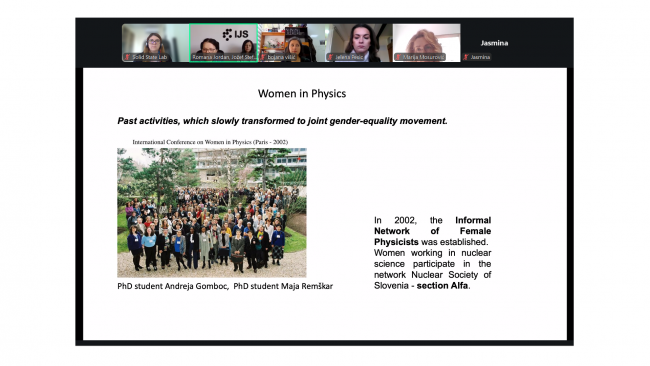
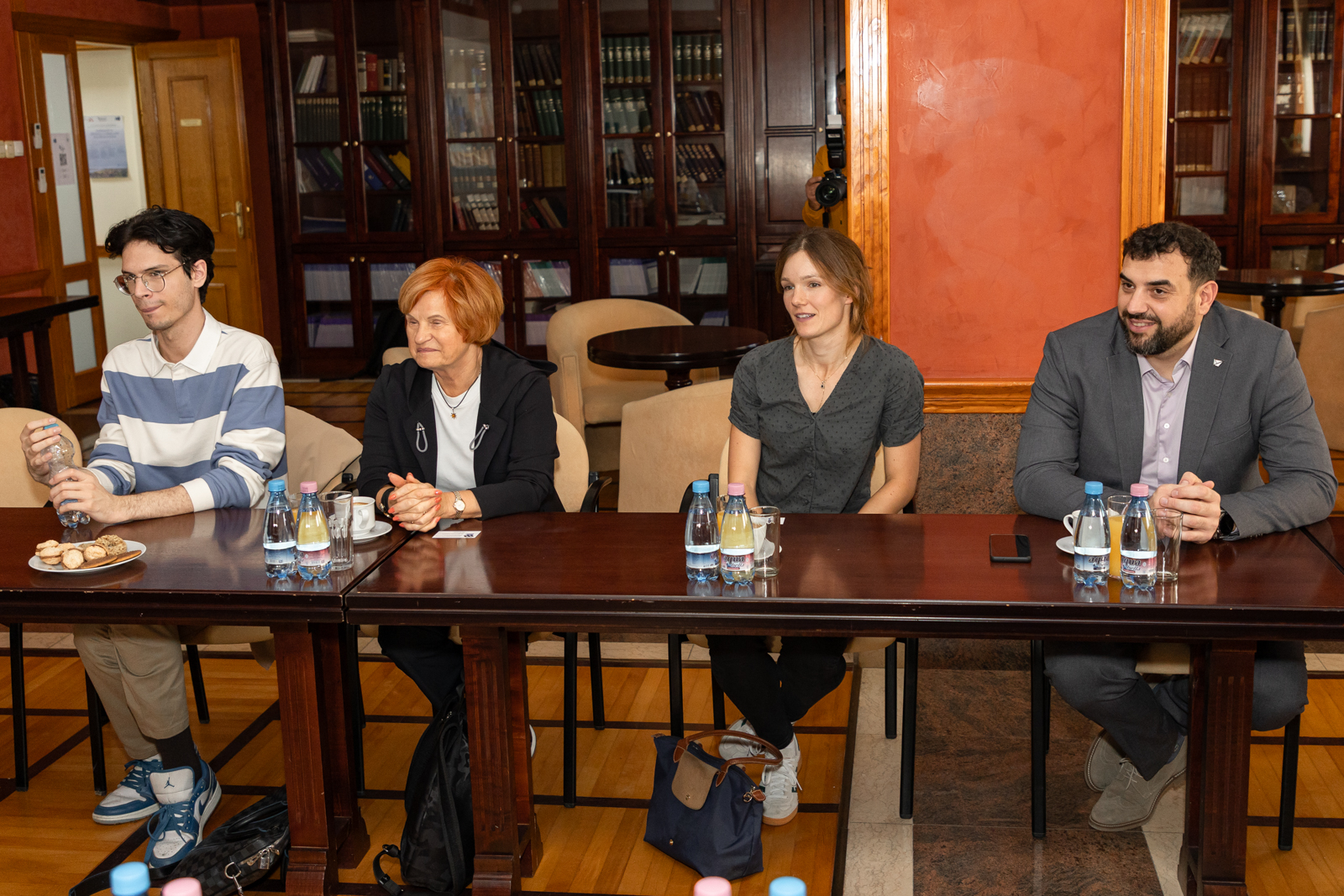
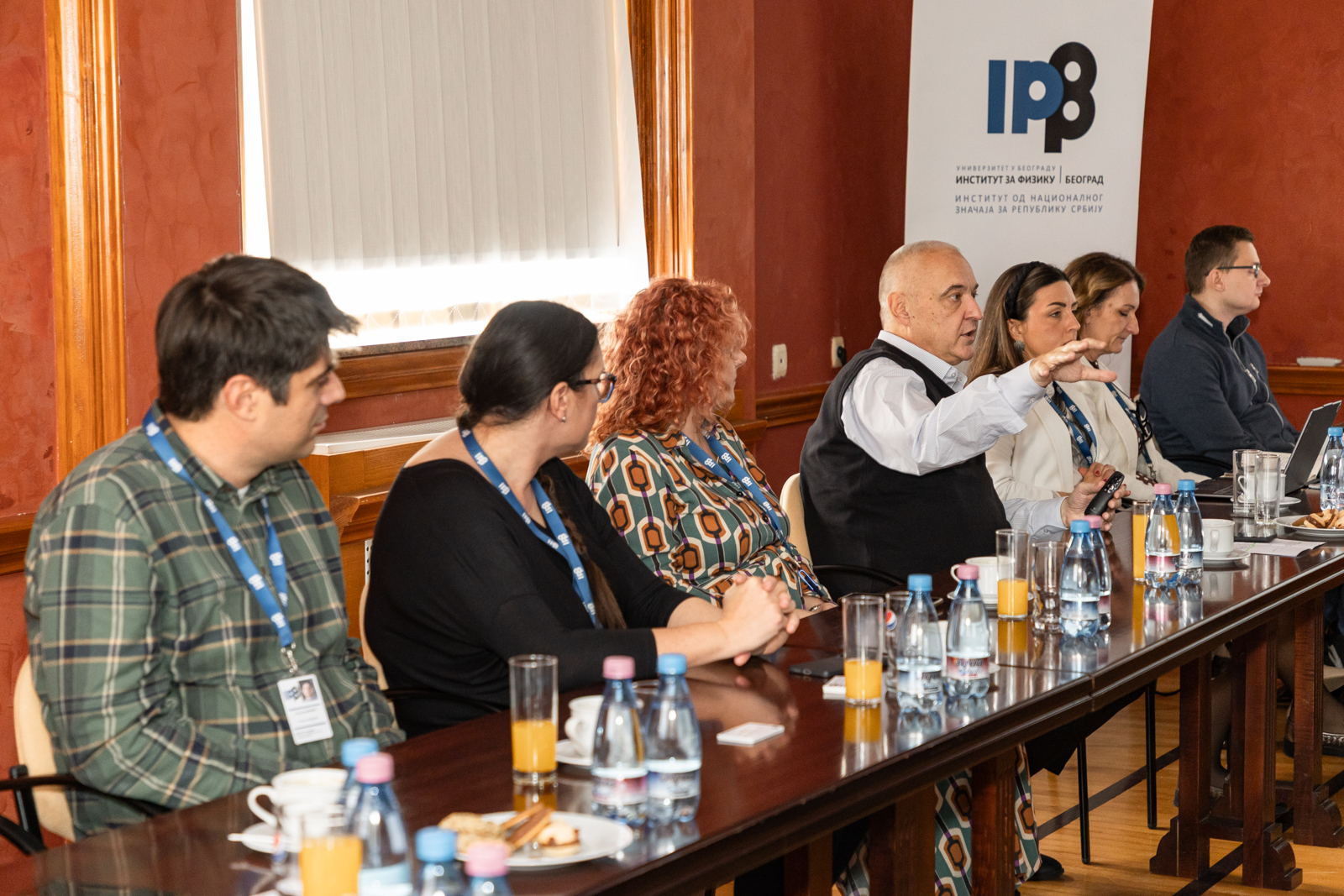
As part of the HIP-2D-QM ERA Chair project, the Institute of Physics Belgrade (IPB) hosted the workshop “Focus on: Women’s Challenges in Science.” The event sparked a lively discussion on the position of women in science, the challenges they face, and ways to foster greater gender equality in research.

The Diversity and Gender Dimension Board (DGDB) of the Center for Solid State Physics and New Materials (CSSPNM) organized the workshop. It brought together researchers, students, and administrative staff from different scientific institutions.

The panel included Dr. Mira Aničić Urošević, Dr. Tijana Milićević, and Dr. Marija Mitrović Dankulov from the Institute of Physics Belgrade, Dr. Jovana Despotović from the Institute of Molecular Genetics and Genetic Engineering (IMGGE), and Slađana Savić Jovanović from the Faculty of Chemistry (FCUB). The discussion was moderated by Marija Đurić, science journalist and communications officer at IPB.

Panelists and participants explored topics such as career advancement and leadership opportunities for women. They also discussed parental leave, work–life balance, and institutional support. Moreover, the conversation addressed gender-sensitive language, media representation, and examples of good practice that could inspire change.

In conclusion, the event marked the first in a series of discussions organized by the DGDB within the HIP-2D-QM project. Through these events, the organizers aim to encourage open dialogue, strengthen inclusion, and promote equality across the scientific community.


Open post

Meeting with Anton Paar Product Manager for Raman Spectroscopy

Meeting with Anton Paar Product Manager for Raman Spectroscopy

Date:

Place:

Type of Activity:

February 26th 2025

IPB

Outreach

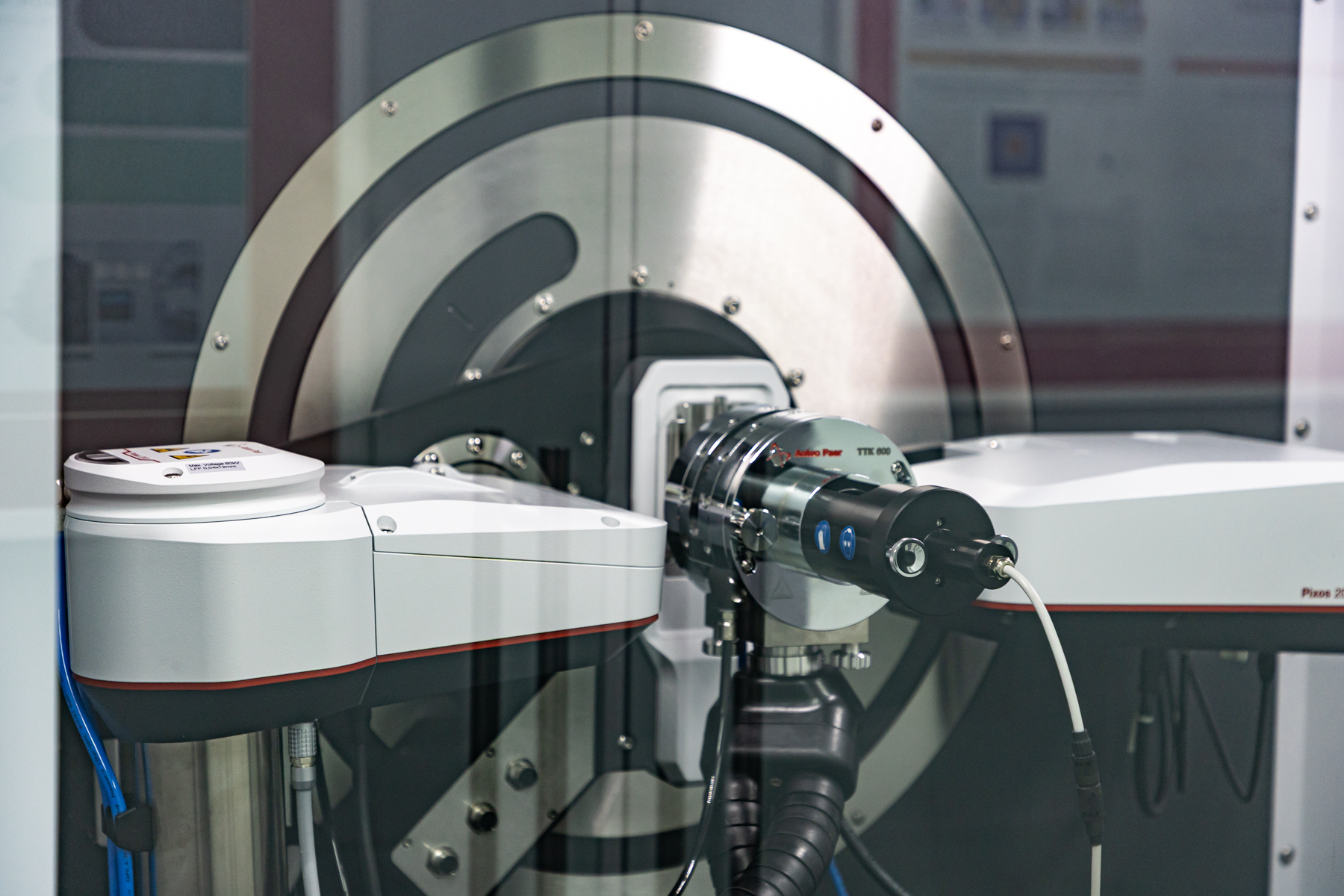
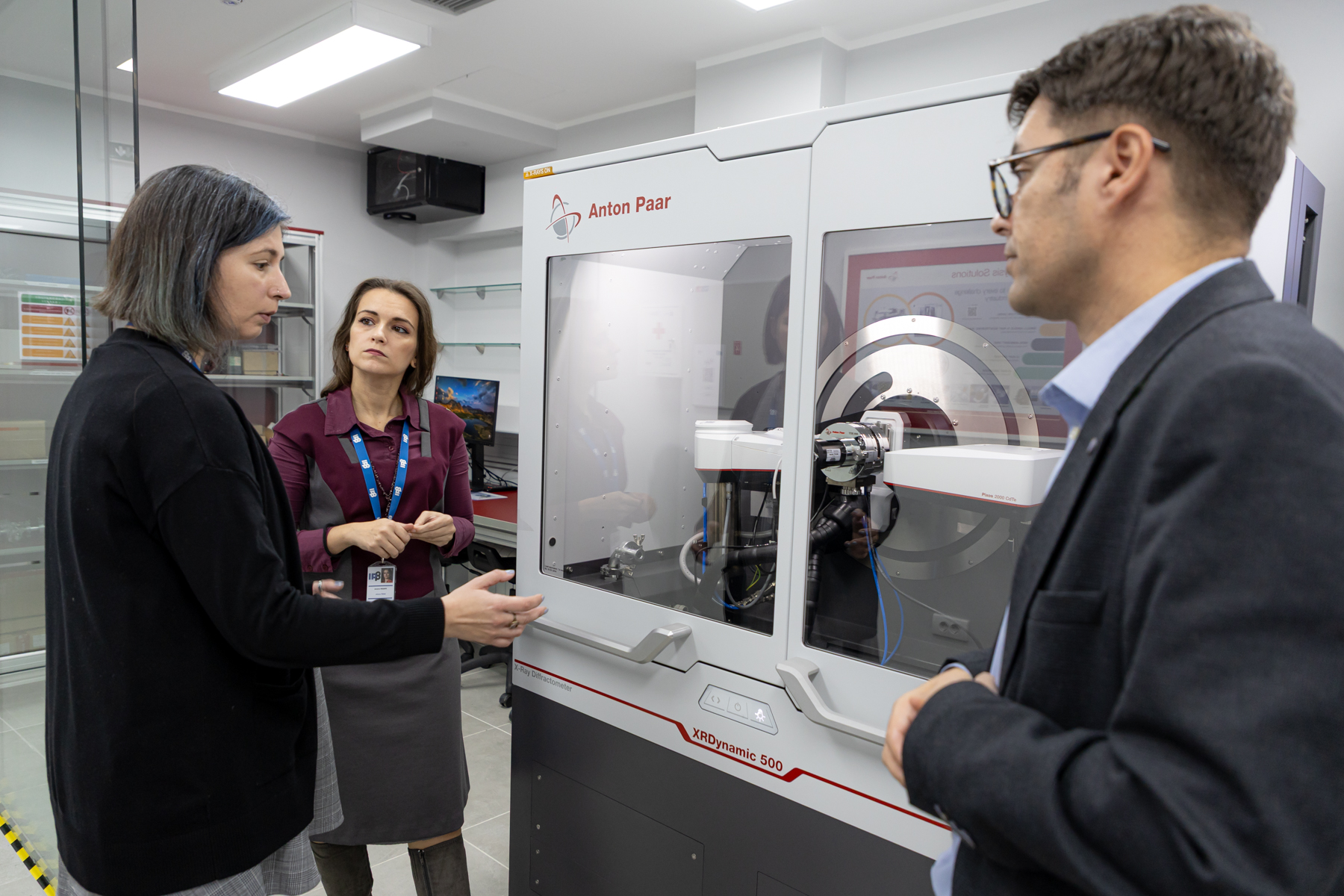
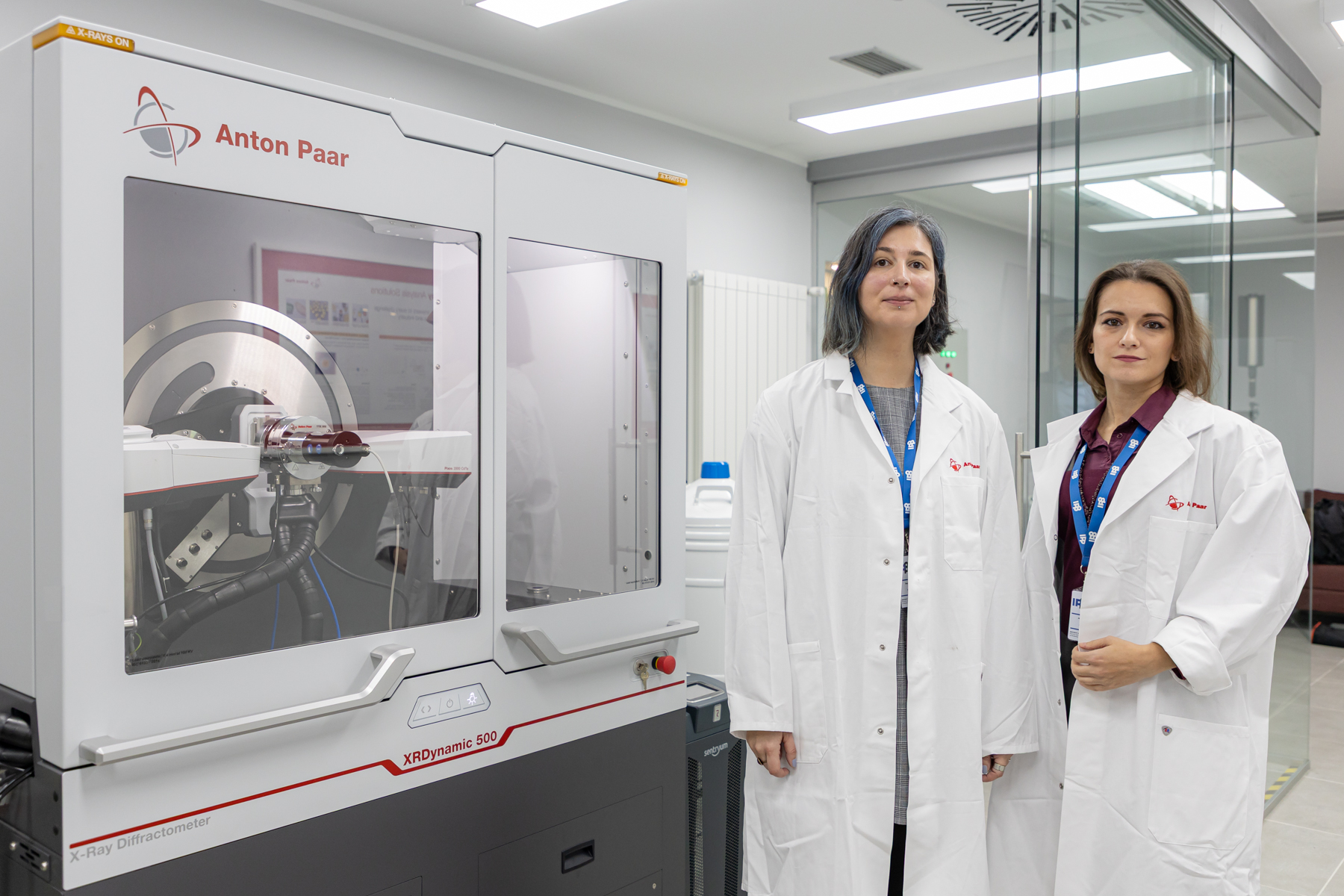
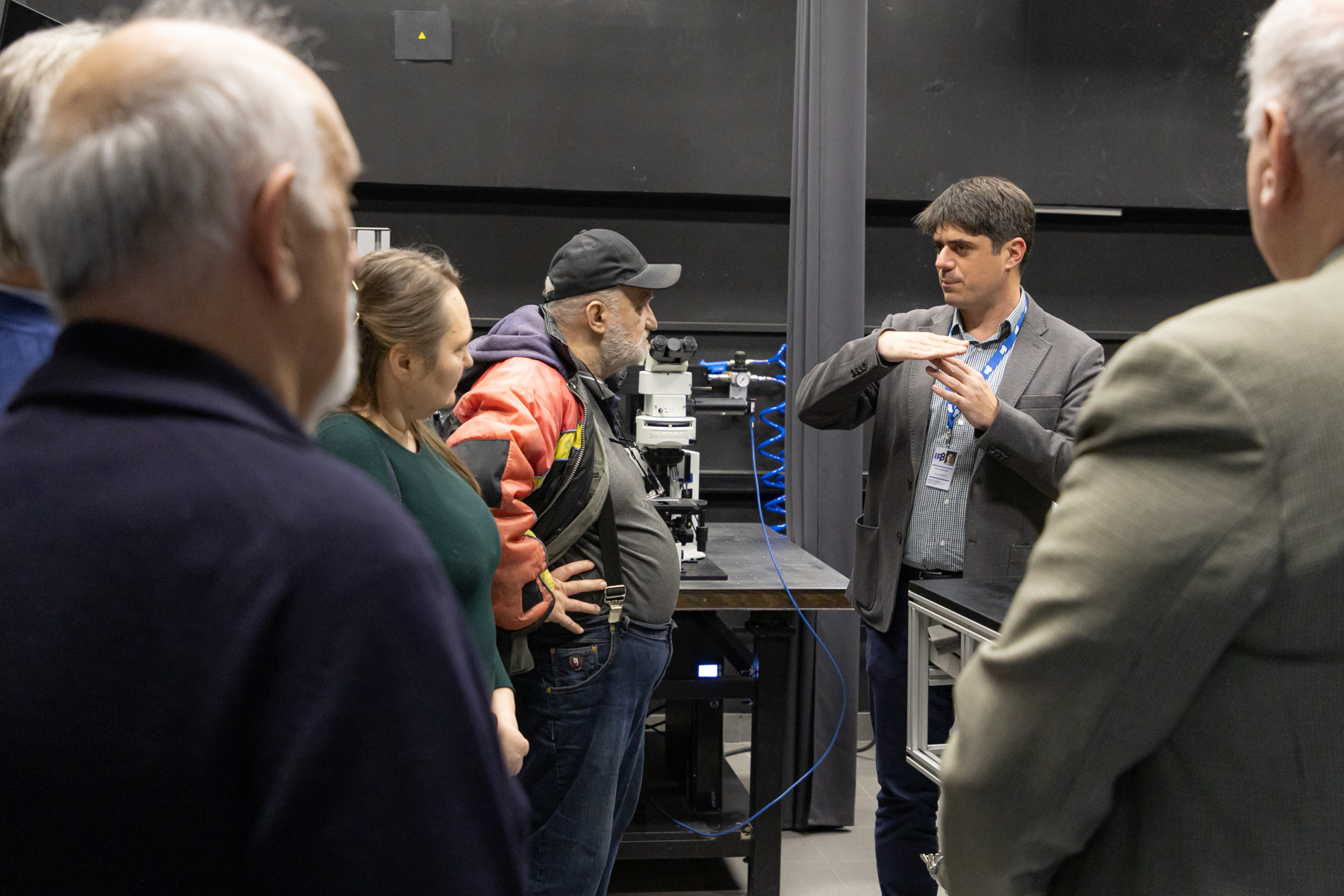
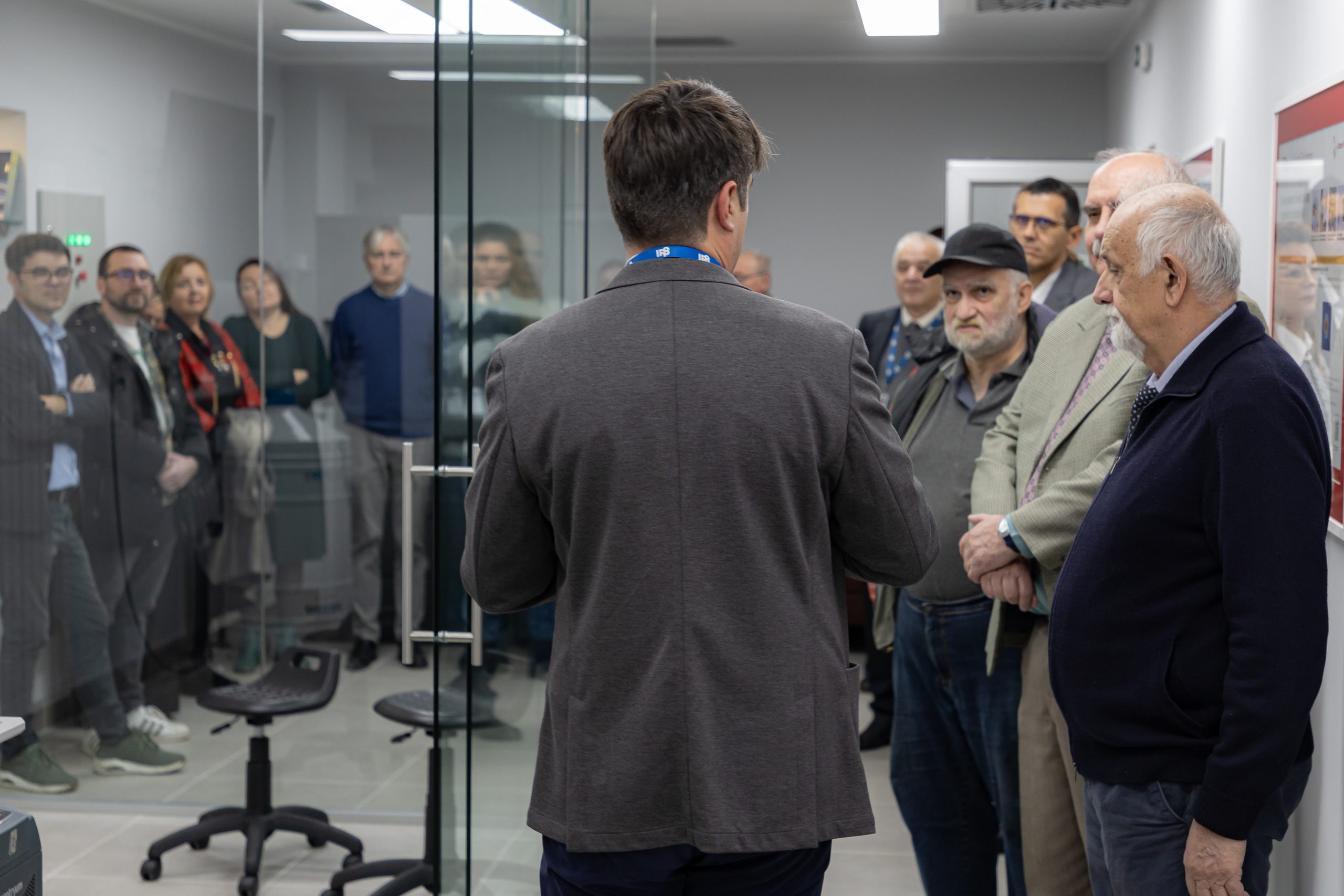
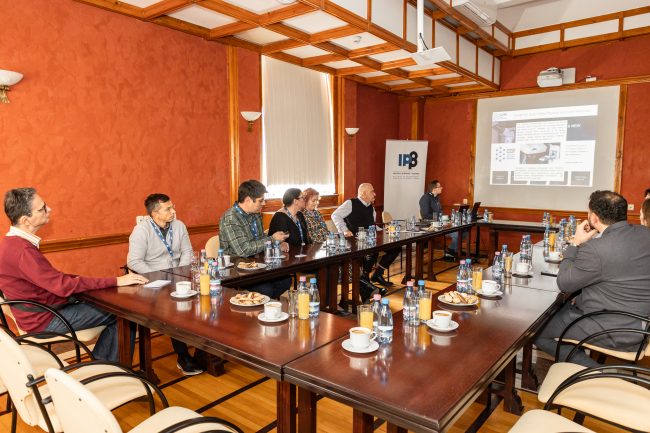
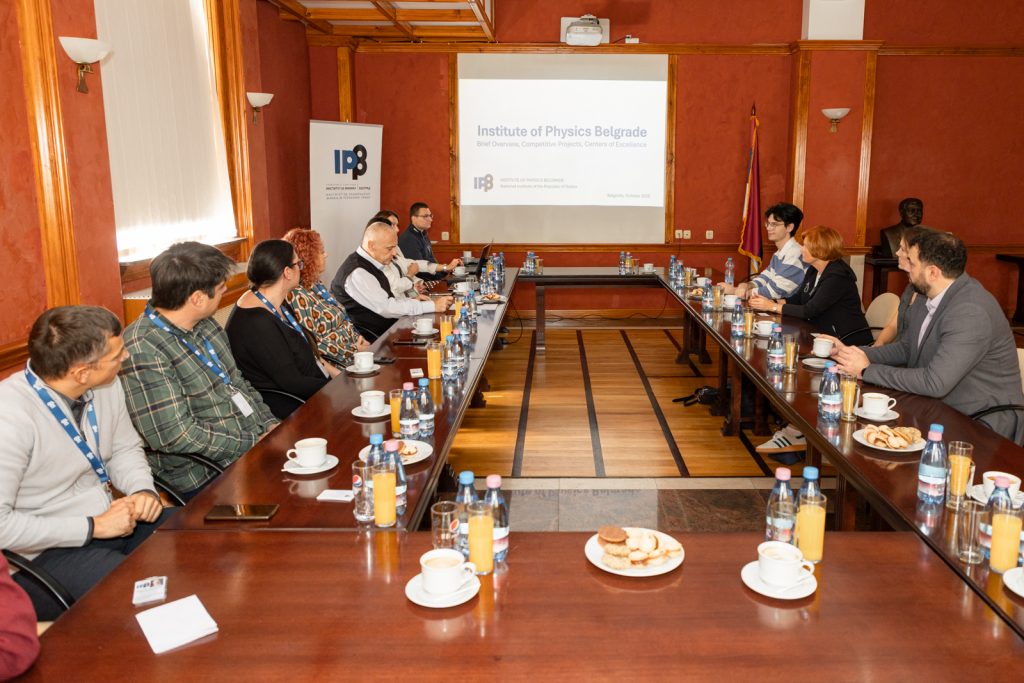
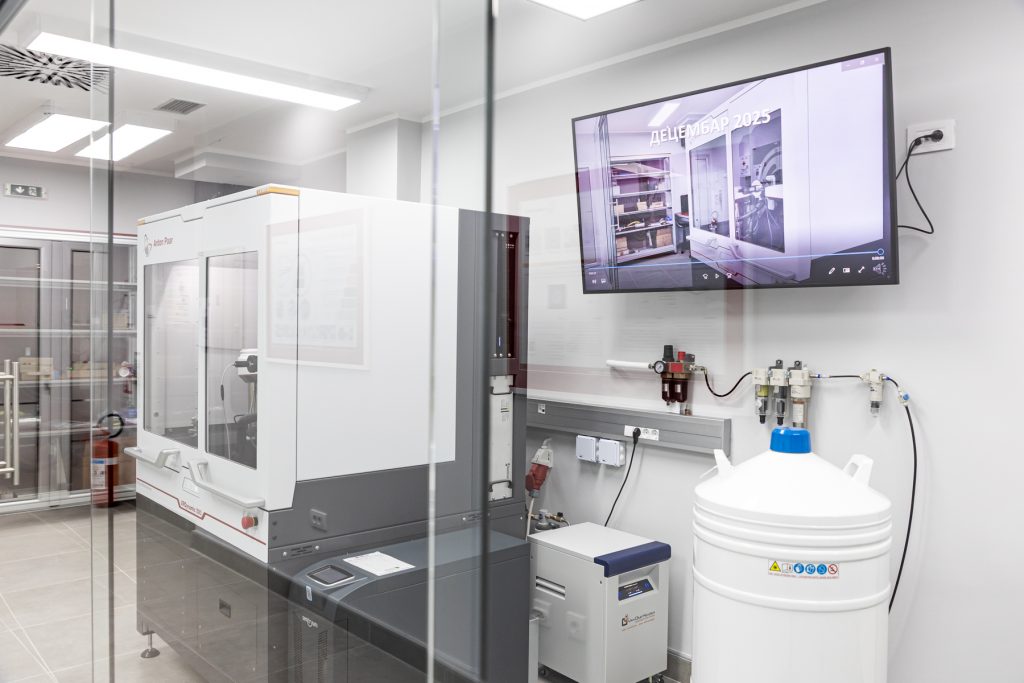
On May 27, we had the pleasure of hosting Viktor Zagorec, Product Manager for Raman Spectroscopy at Anton Paar, at the Institute of Physics Belgrade.

Viktor presented Anton Paar’s latest portable Raman spectroscopy instrument, showcasing its potential for quick and flexible material analysis. The visit sparked an engaging exchange on current research needs and possibilities for future collaboration.

We’re looking forward to continued exchange and future collaboration on scientific tools and technologies.

Open post

Workshop on Research Opportunities at Large-Scale User Facilities on Advances in Solid State Physics and New Materials

Workshop on Research Opportunities at Large-Scale User Facilities on Advances in Solid State Physics and New Materials

Date:

Place:

Type of Activity:

May 23rd 2025

SANU, Belgrade, Serbia

D&C&E activity

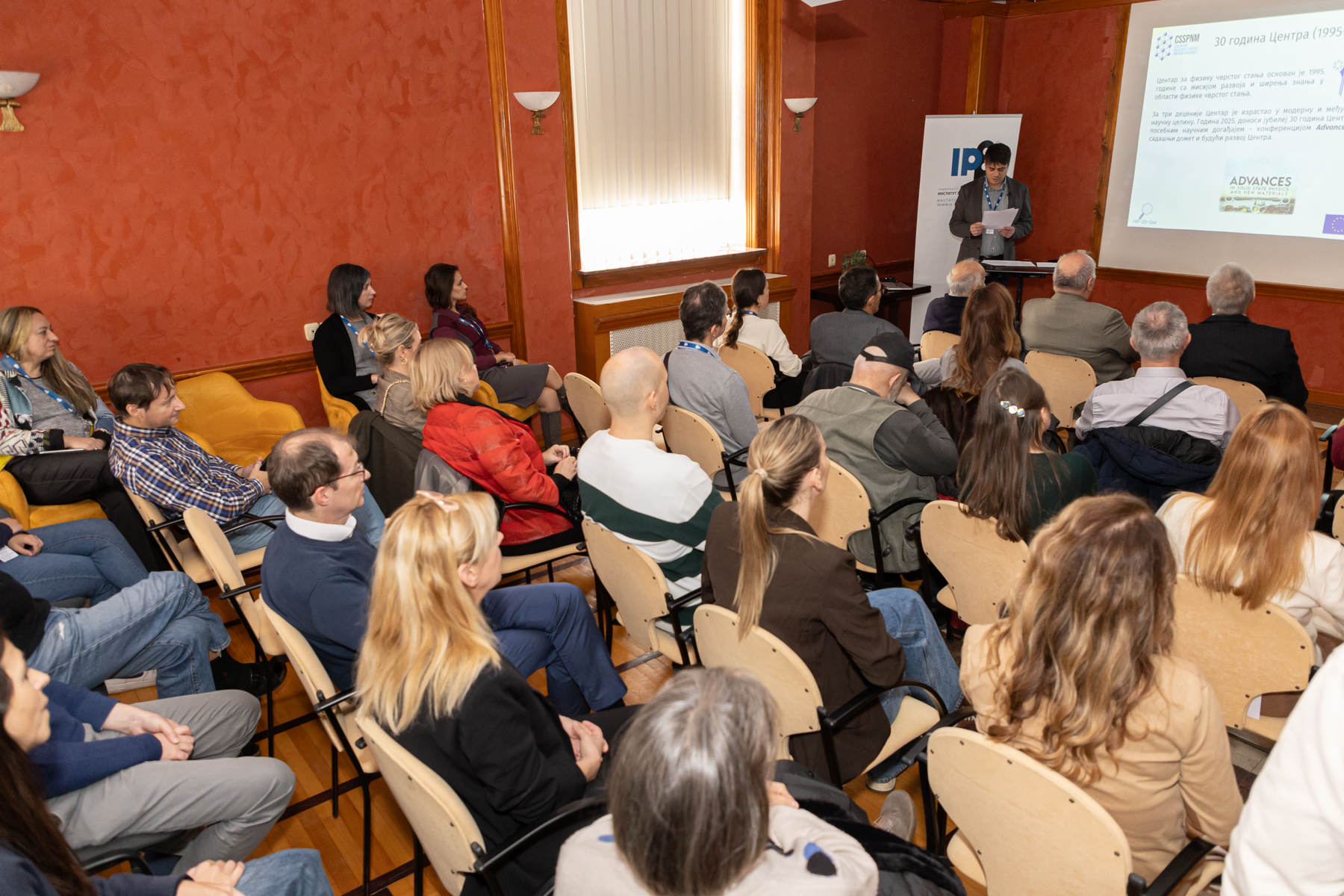
As part of the Advances in Solid State Physics and New Materials conference, held from May 19 to 23, 2025, in Belgrade, the HIP-2D-QM project co-organized a dedicated workshop titled “Research Opportunities at Large-Scale User Facilities.”

Chaired by Dr. Emil Božin (Institute of Physics Belgrade) and Dr. Dušan Božanić (Vinča Institute of Nuclear Sciences), the workshop provided a platform for researchers to explore access to advanced research infrastructures. Topics included neutron and synchrotron beamlines, proposal writing strategies, and emerging techniques in materials characterization.

The session featured contributions from representatives of major European facilities, including the European Spallation Source (ESS), ISIS Neutron and Muon Source, and MAX IV Laboratory. Discussions highlighted the importance of international collaboration and the role of large-scale facilities in advancing quantum materials research.

The workshop was organized in cooperation with the H2020 project NEPHEWS, strengthening the link between Western Balkans institutions and European large-scale research infrastructures.

This activity aligns with the HIP-2D-QM project’s goals to enhance research excellence, foster strategic networking, and promote access to world-class user facilities within the European Research Area.

Open post

Advances in Solid State Physics and New Materials – 30 Years of the Center for Solid State Physics and New Materials

Advances in Solid State Physics and New Materials - 30 Years of the Center for Solid State Physics and New Materials

Date:

Place:

Type of Activity:

May 19-23rd 2025

SANU, Belgrad, Serbia

D&C&E activity

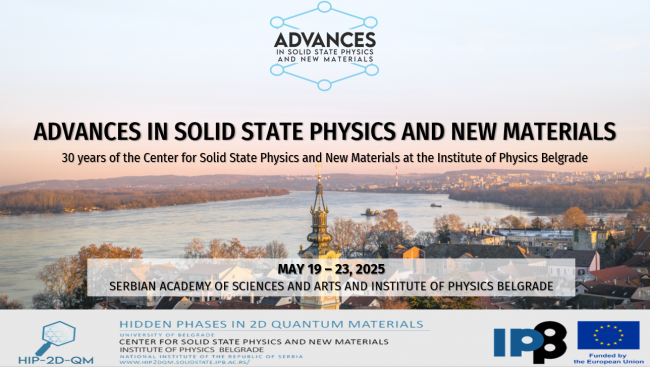
From May 19 to 23, 2025, the Institute of Physics Belgrade and the Serbian Academy of Sciences and Arts hosted the international conference Advances in Solid State Physics and New Materials, marking the 30th anniversary of the Center for Solid State Physics and New Materials (CSSPNM).

The event brought together over 300 registered participants, including 130 invited speakers from around the world, underscoring the Center’s strong international standing. The scientific program featured five focused workshops, two poster sessions, and a special colloquium. Topics spanned quantum materials, 2D systems, correlated electron physics, magnetism, superconductivity, and advanced characterization techniques.

Organized with the support of the HIP-2D-QM project, the conference fostered interdisciplinary exchange and collaboration. It was chaired by Nenad Lazarević, Emil S. Božin, and Rudi Hackl.

More information is available at: www.advances25.solidstate.ipb.ac.rs

Read facts on Advances in Solid State Physics and New Materials 2025 edition here

Open post

Invited talk on Superconducting Nanodevices and Quantum Materials for Coherent Manipulation: Topological states in superconductors and magnetic materials

Superconducting Nanodevices and Quantum Materials for Coherent Manipulation: Topological states in superconductors and magnetic materials – Liblice chateau (Czech Republic) 6th – 9th May 2025

Date:

Place:

Type of Activity:

May 5 - 9th 2025

Liblice chateau (Czech Republic)

D&C&E activity

Dr. Nenad Lazarević from the Center for Solid State Physics and New Materials delivered an invited talk "Lattice, spin, and charge excitations in Fe(Se:S)" at the SuperQumap Project Conference: Superconducting Nanodevices and Quantum Materials for Coherent Manipulation: Topological states in superconductors and magnetic materials , held from May 6–9 at Liblice Chateau, Czech Republic. The conference, organized under the COST Action CA21144, focused on superconducting nanodevices and quantum materials for coherent manipulation of topological states in superconductors and magnetic materials.

Dr. Lazarević's presentation contributed to discussions on the interplay between disorder, metastability, and hidden phases in low-dimensional quantum systems, aligning with the HIP-2D-QM project's objectives. His participation also strengthened international collaboration within the European quantum materials research community.

Open post

10th International Conference on Superconductivity and Magnetism- ICSM2025 Session: From disorder to metastability and hidden phases in 2D quantum materials

10th International Conference on Superconductivity and Magnetism- ICSM2025 Session: From disorder to metastability and hidden phases in 2D quantum materials

Date:

Place:

Type of Activity:

April 29th 2025

Fethiye-Oludeniz, Turkey

D&C&E activity

As part of the 10th International Conference on Superconductivity and Magnetism (ICSM2025), the HIP-2D-QM team organized a special session titled "From Disorder to Metastability and Hidden Phases in 2D Quantum Materials," held on Tuesday, April 29, 2025.

The session focused on complex behaviors emerging from disorder and frustration in low-dimensional systems—key ingredients in the formation of hidden and metastable phases relevant to future quantum technologies. It brought together experimental and theoretical perspectives on exotic phases, non-equilibrium dynamics, and advanced characterization methods. The session provided a valuable forum for discussing open challenges in understanding structure-function relationships in quantum materials and exploring new directions in the field.

Session Topics Include:

•Impact of disorder on competing orders in electronic systems
•Geometric frustration and short-range order driven phenomena
•Glassy dynamics vs. pre-thermal regimes of correlated electrons
•Hidden and metastable states and their manipulation

Co-organizers: Emil Bozin & Nenad Lazarević


Open post

ERA Chair Team Researcher Honored with IPB Annual Award

ERA Chair Team Researcher Honored with IPB Annual Award

Date:

Place:

May 16th 2025

IPB


On May 16, 2025, the Institute of Physics Belgrade marked its anniversary with the traditional ceremony awarding the Annual and Student Prizes—recognizing outstanding scientific achievements and the best doctoral work from the previous year.

The Annual Prize was awarded to Dr. Jelena Pešić for her significant contributions to the understanding of how defects and structural modifications influence the electronic and magnetic properties of low-dimensional and topological materials. Following the award ceremony, Dr. Jelena Pešić gave an lecture titled Through chaos to function: How defects shape 2D semiconductor nanolattices

The awards were presented by the Director of the Institute, Dr. Aleksandar Bogojević. This year’s prize jury was chaired by last year’s laureate Dr. Marko Vojinović, with members Dr. Bojana Višić and Dr. Jakša Vučičević.

For more details, visit the full announcement on the IPB website.

Posts navigation

1 2 3 4
Scroll to top