Open post

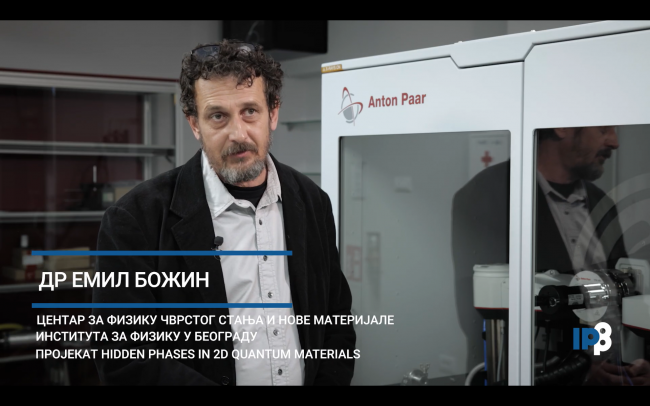
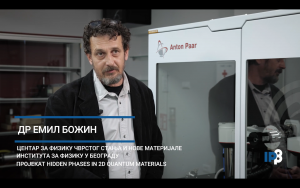
Dr. Emil Božin on the Regional Training Center for the Advanced Structural Analysis

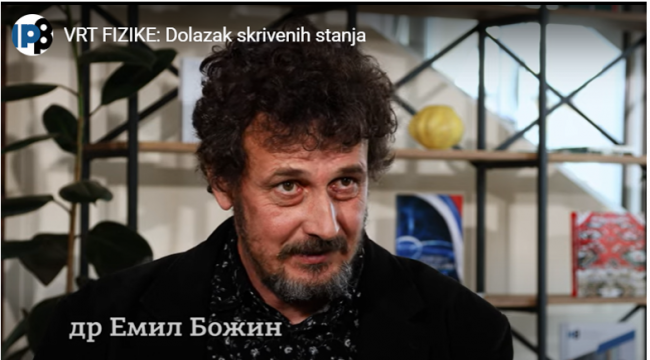
Dr. Emil Božin, one of the world’s leading researchers in solid-state physics and ERA Chair of the HIP-2D-QM project funded by Horizon Europe program, speaks in the latest episode of A Look into Physics about his scientific journey and the vision behind the establishment of the Regional Training Center for the Advanced Structural Analysis at the Institute of Physics in Belgrade.

After years of work at the prestigious Brookhaven National Laboratory (USA), Dr. Božin returned to Serbia with the goal of strengthening advanced research infrastructure and creating new opportunities for young scientists in the region. In the interview, he explains why similar training centers exist at leading scientific institutions worldwide and highlights their crucial role in modern materials research.

Dr. Božin also discusses the importance of advanced structural analysis for understanding complex quantum and solid-state materials, as well as the reasons why Serbia, and the Institute of Physics in Belgrade in particular, represents a strong and competitive environment for hosting such a regional center.

Through this initiative, the Institute of Physics in Belgrade further reinforces its position as a regional hub for advanced materials research and the development of the next generation of scientists.

For the full video, please visit the Institute of Physics Belgrade YouTube channel

Open post

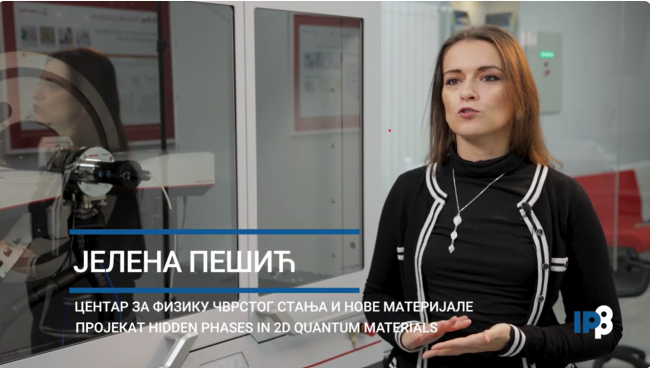
What Do Two-Dimensional Materials Hide? – An Interview with Dr. Jelena Pešić

In a new interview, Dr. Jelena Pešić talks about the fascinating world of two-dimensional quantum materials and the advanced research methods used to uncover their hidden structural properties.

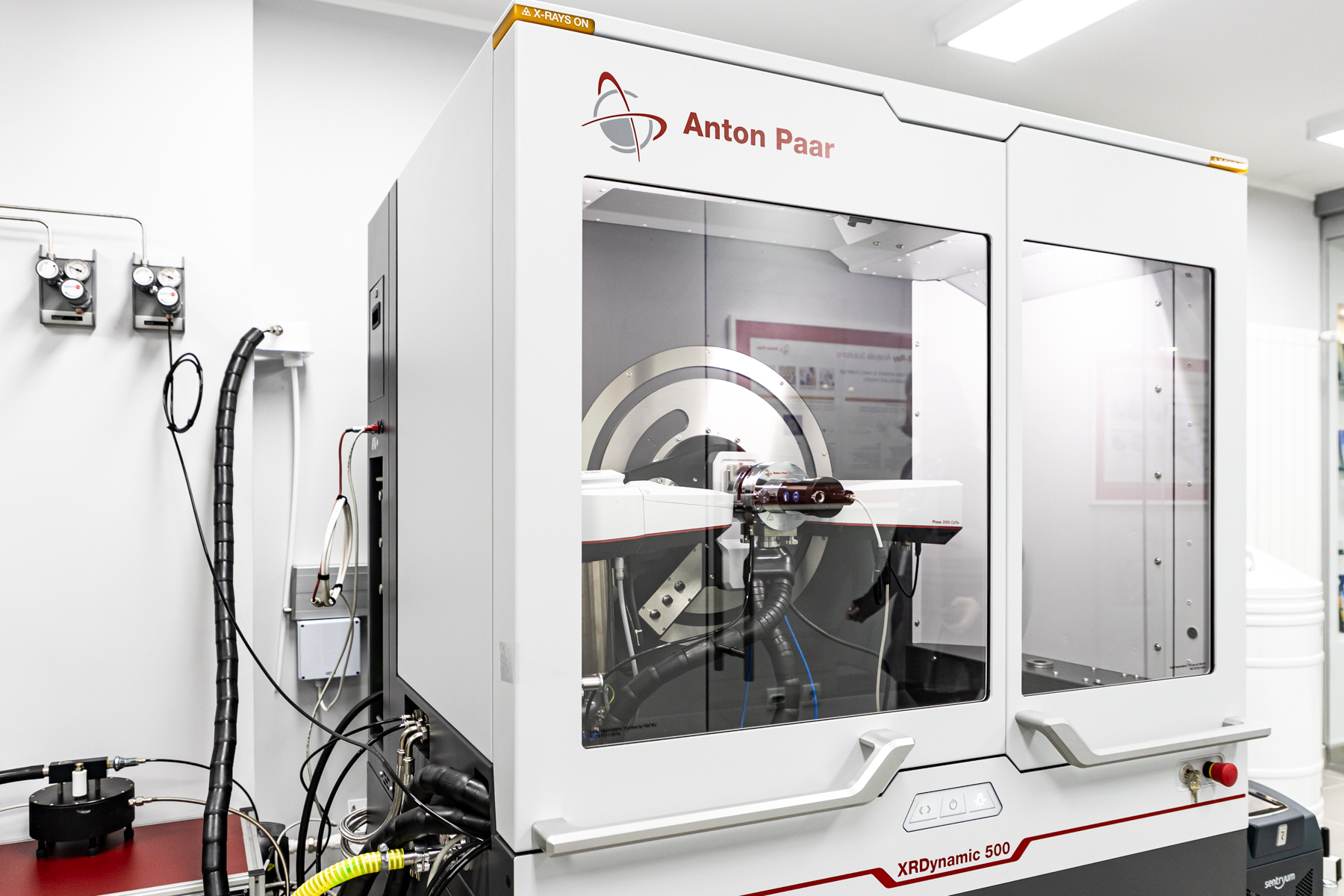
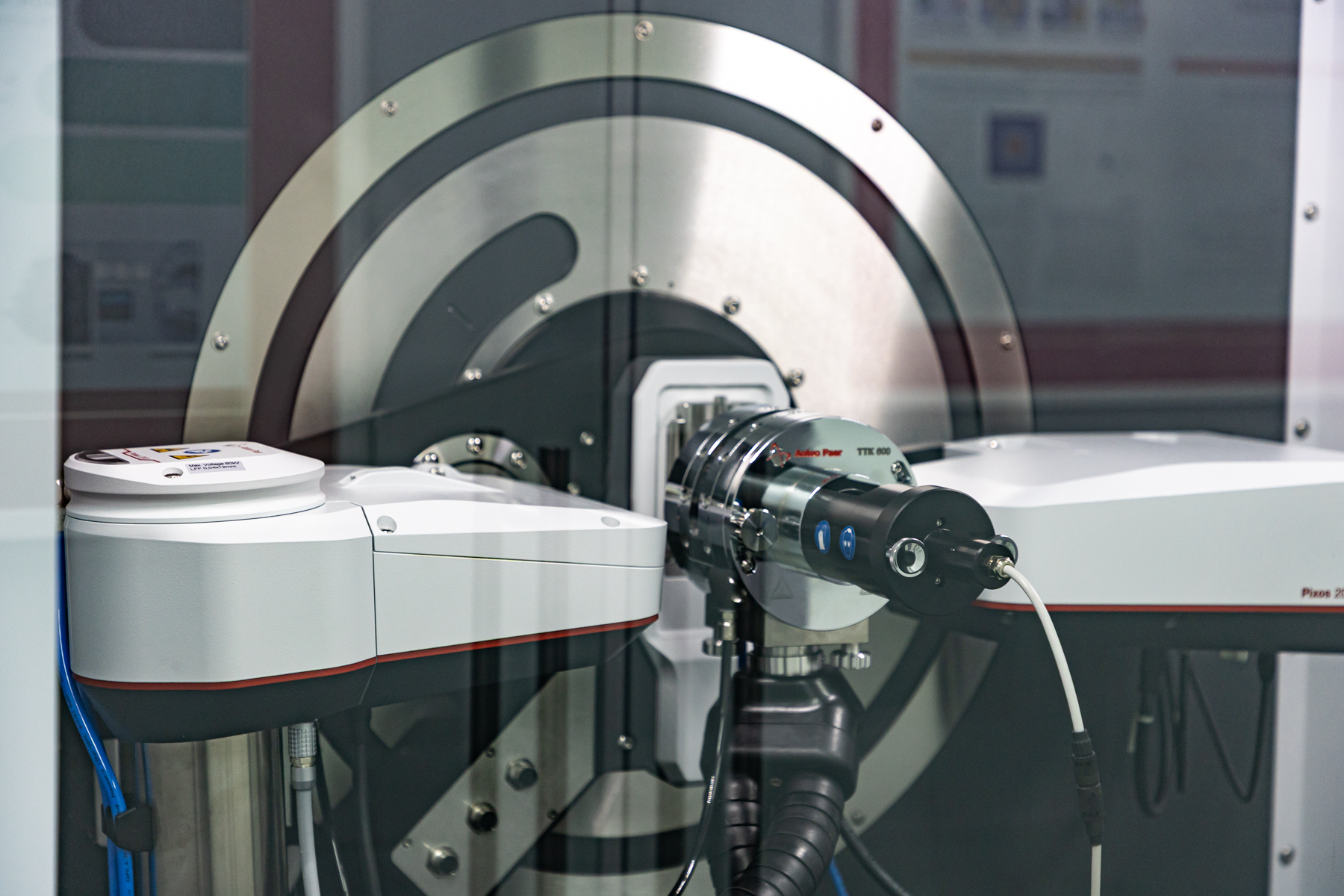
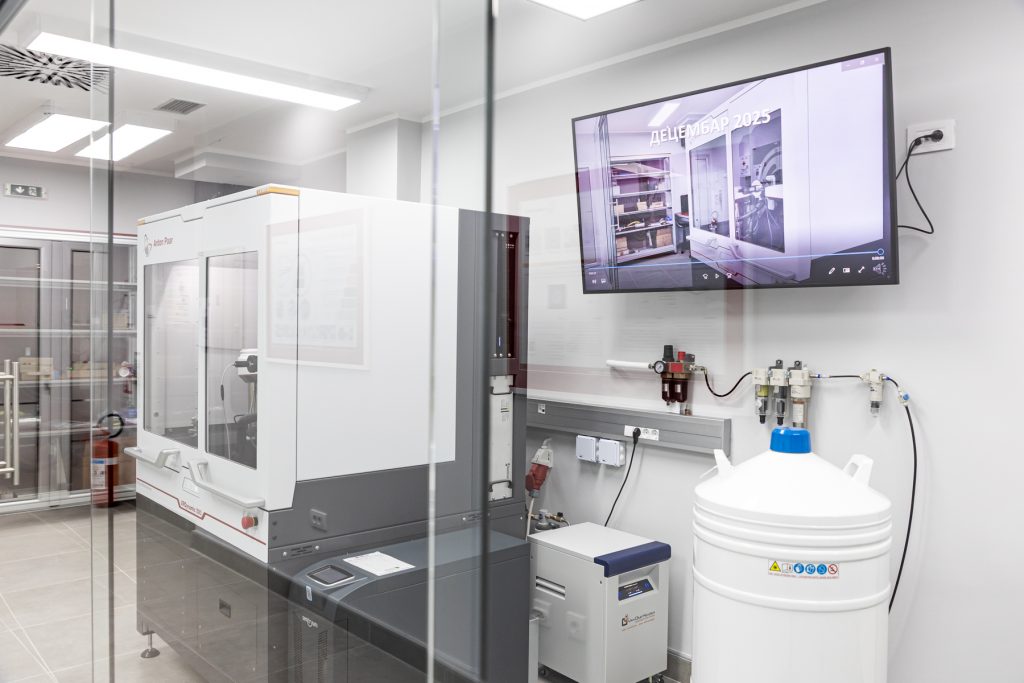
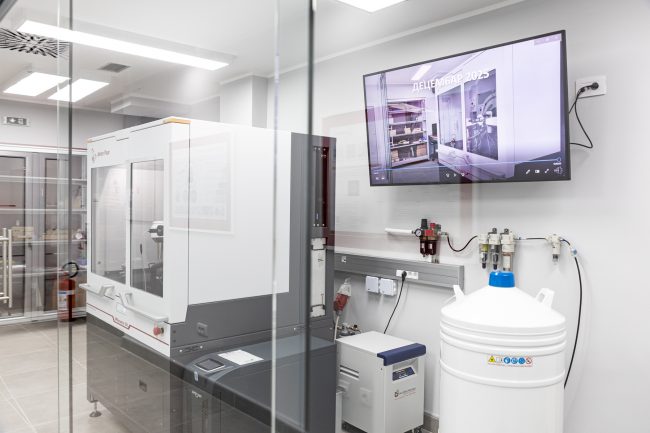
The interview also highlights the establishment of the Training Center for the Advanced Structural Analysis, formed within the project Hidden Phases in 2D Quantum Materials, supported through the Horizon Europe programme. Equipped with a powerful X-ray diffractometer (XRD), the center enables researchers to explore atomic and molecular structures with a level of precision that opens new possibilities for understanding material behaviour.

Beyond cutting-edge research, the new Training Center serves as a regional hub for training and knowledge exchange, providing access to advanced structural analysis techniques that are still emerging in the Western Balkans.

In the interview, Dr. Pešić explains why studying two-dimensional materials matters, what makes them so intriguing, and how new research infrastructure helps reveal the hidden phases that could shape future technologies.

For the full video, please visit the Institute of Physics Belgrade YouTube channel

Open post

IN MEMORIAM: Diana Dulić

With profound sorrow, we inform you that our dear colleague, friend, and project partner, Prof. Diana Dulić, passed away unexpectedly this weekend in the Netherlands.

She completed her undergraduate studies at the Faculty of Physics, University of Belgrade, and earned her PhD at the University of Groningen in the Netherlands. She built an outstanding academic and research career at leading European institutions before joining the University of Chile in 2013. At the Department of Physics, she held the position of Professor and established a distinguished scientific career in the fields of molecular electronics and two-dimensional materials, making significant contributions to the development of interdisciplinary research in nanotechnology.

Prof. Diana Dulić was a long-standing collaborator of the Center for Solid State Physics and New Materials at the Institute of Physics Belgrade. In recent months, within the framework of the joint project “2D Material Field-Effect Transistor–Based Photodetectors” (Programme for Cooperation of Serbian Science with the Diaspora), she made a substantial contribution through her expertise, particularly in advancing transport measurements for the development of photodetectors based on 2D materials.

Her unexpected passing has deeply affected her family, friends, and colleagues. The Center for Solid State Physics and New Materials expresses its sincere gratitude to Prof. Diana Dulić for her selfless contribution to the development of our Center and for the exceptional collaboration on our joint projects. Her work and memory will remain permanently present in our scientific community.

Open post

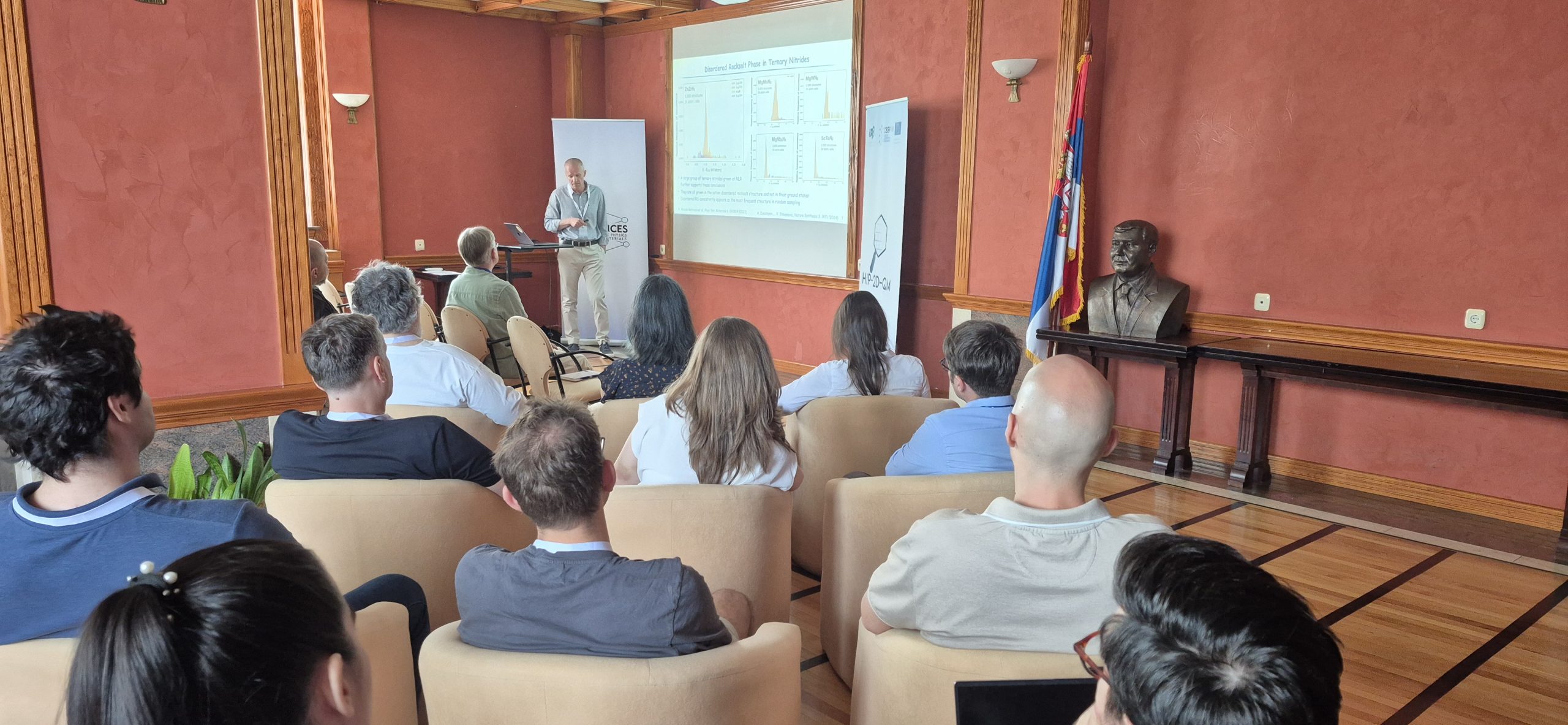
Training Center for Advanced Structural Analysis Opens, Expanding Research Capacity at IPB

Training Center for Advanced Structural Analysis Opens, Expanding Research Capacity at IPB

Date:

Place:

Type of Activity:

December 12th 2025

IPB

D&C&E activity

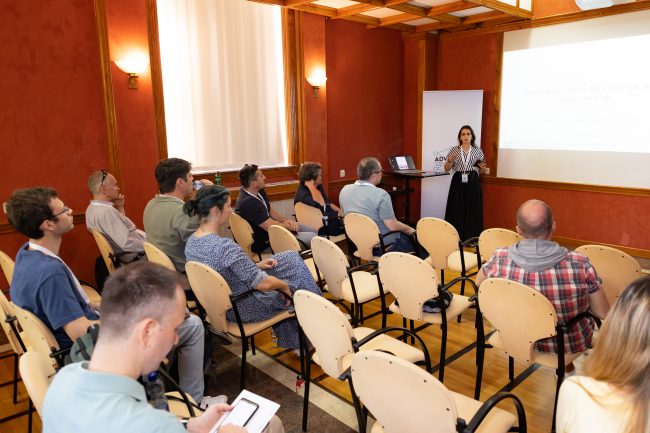
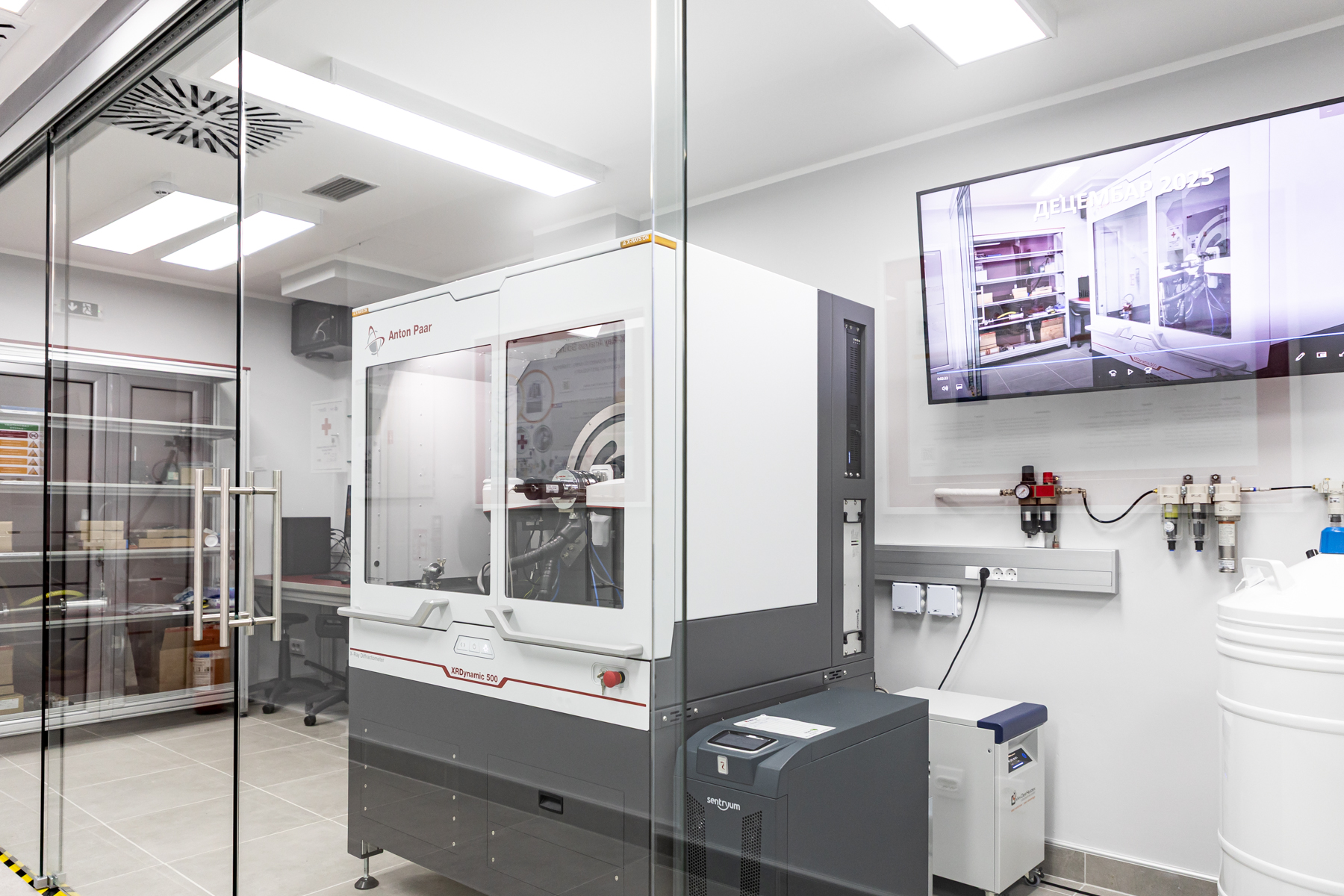
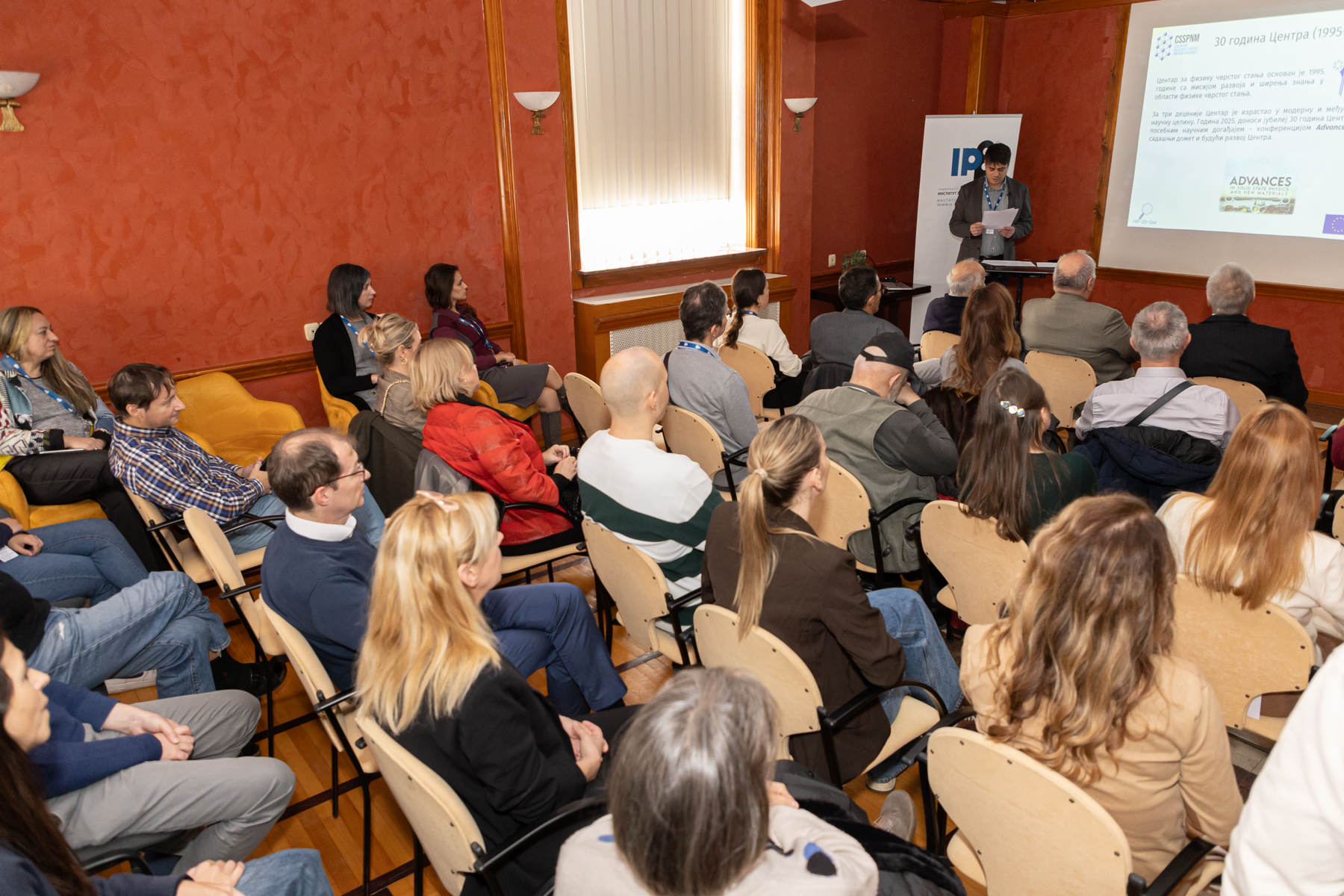
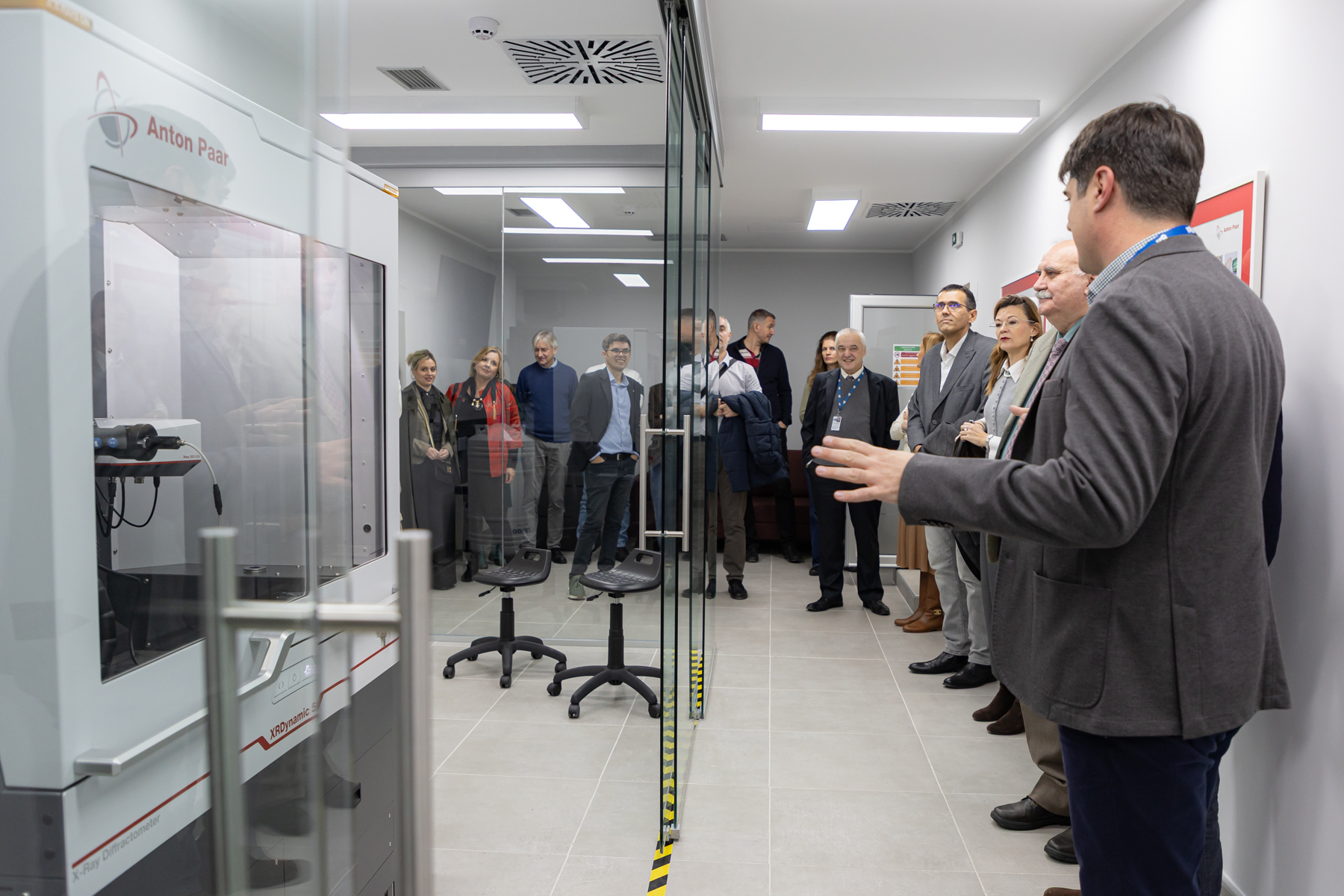
The Training Center for the Advanced Structural Analysis has officially opened at the Institute of Physics Belgrade, marking an important step in strengthening experimental infrastructure for materials research. The Horizon Europe ERA Chair project HIP-2D-QM (Hidden Phases in 2D Quantum Materials) enabled the establishment and full equipping of the Training Center, which now supports advanced structural characterization and training activities. The Training Center includes a state-of-the-art X-ray diffractometer (XRD) valued at €350,000, the largest single equipment investment, together with additional instrumentation and dedicated training facilities. These resources enable advanced atomic- and molecular-scale structural research that was previously unavailable in Serbia and position the Center as a regional training hub for the Western Balkan region.

A New Hub for Advanced Structural Characterization

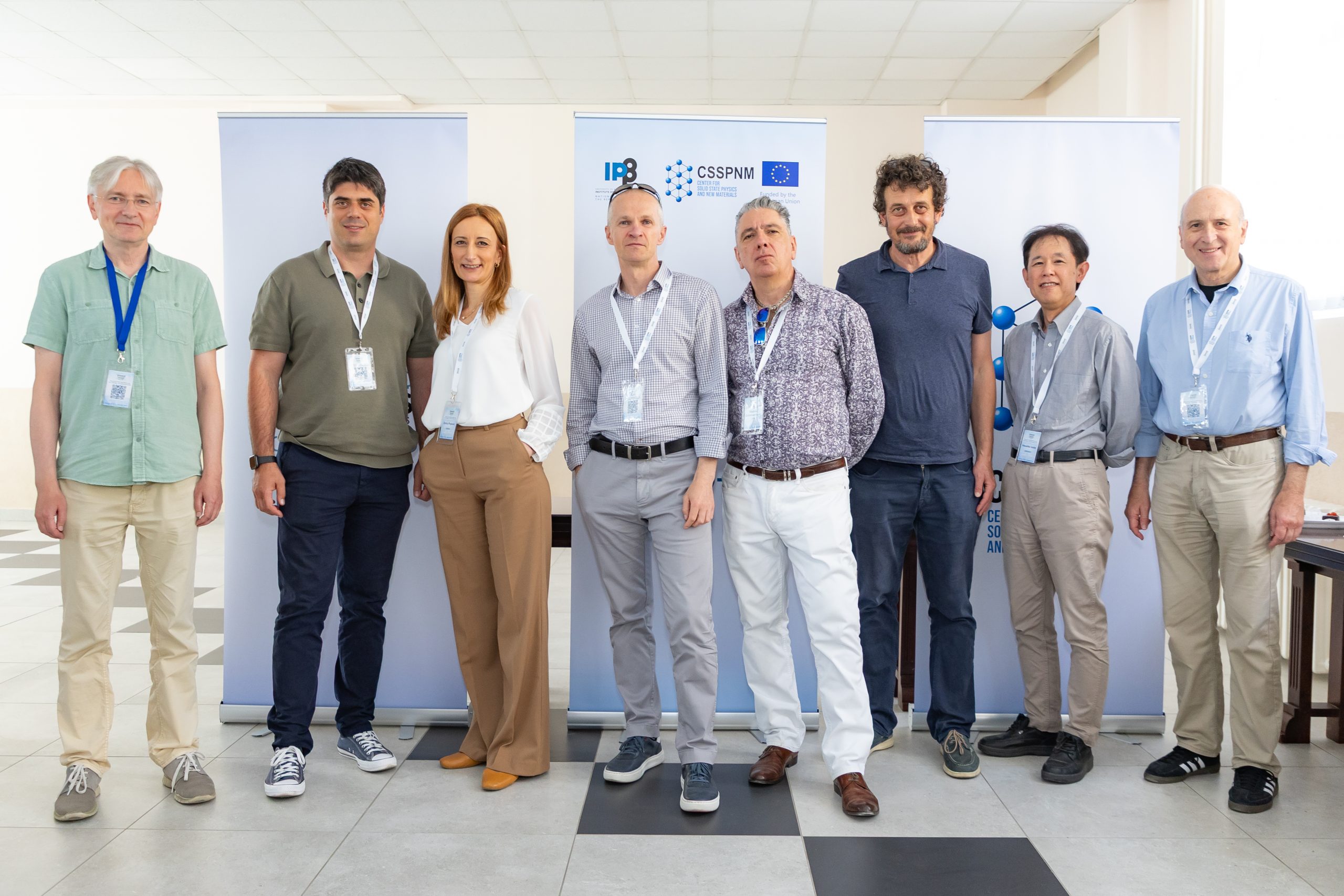
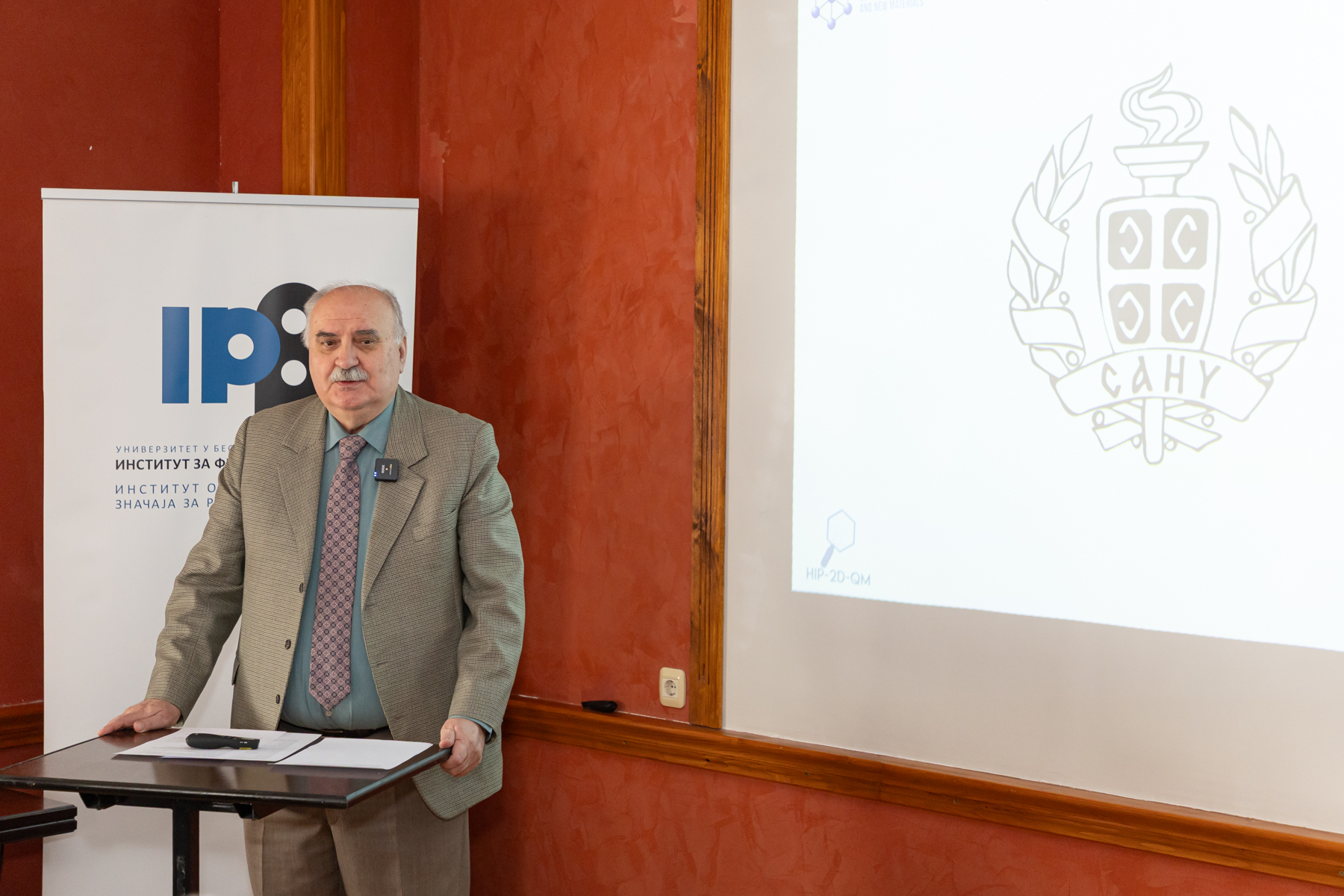
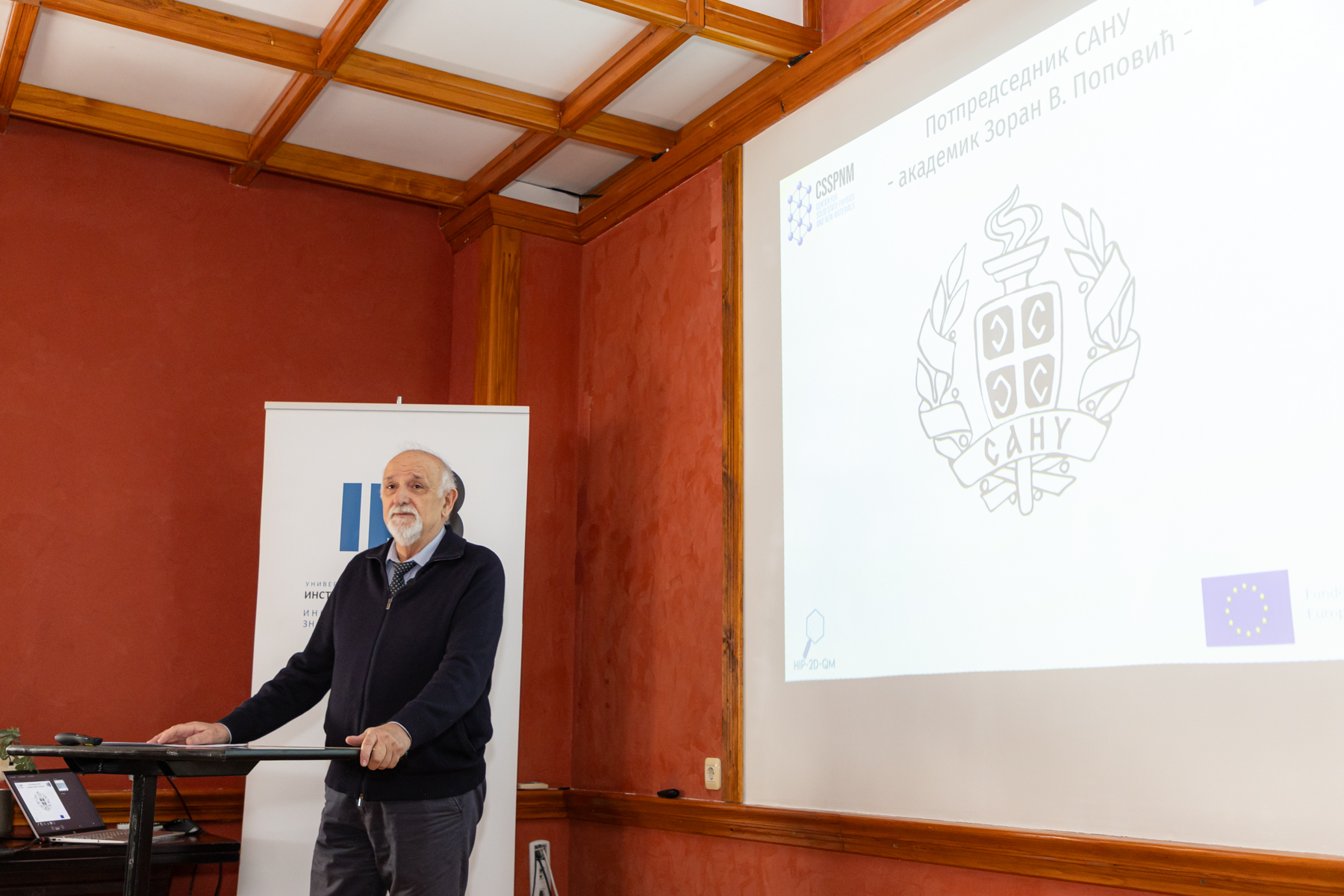
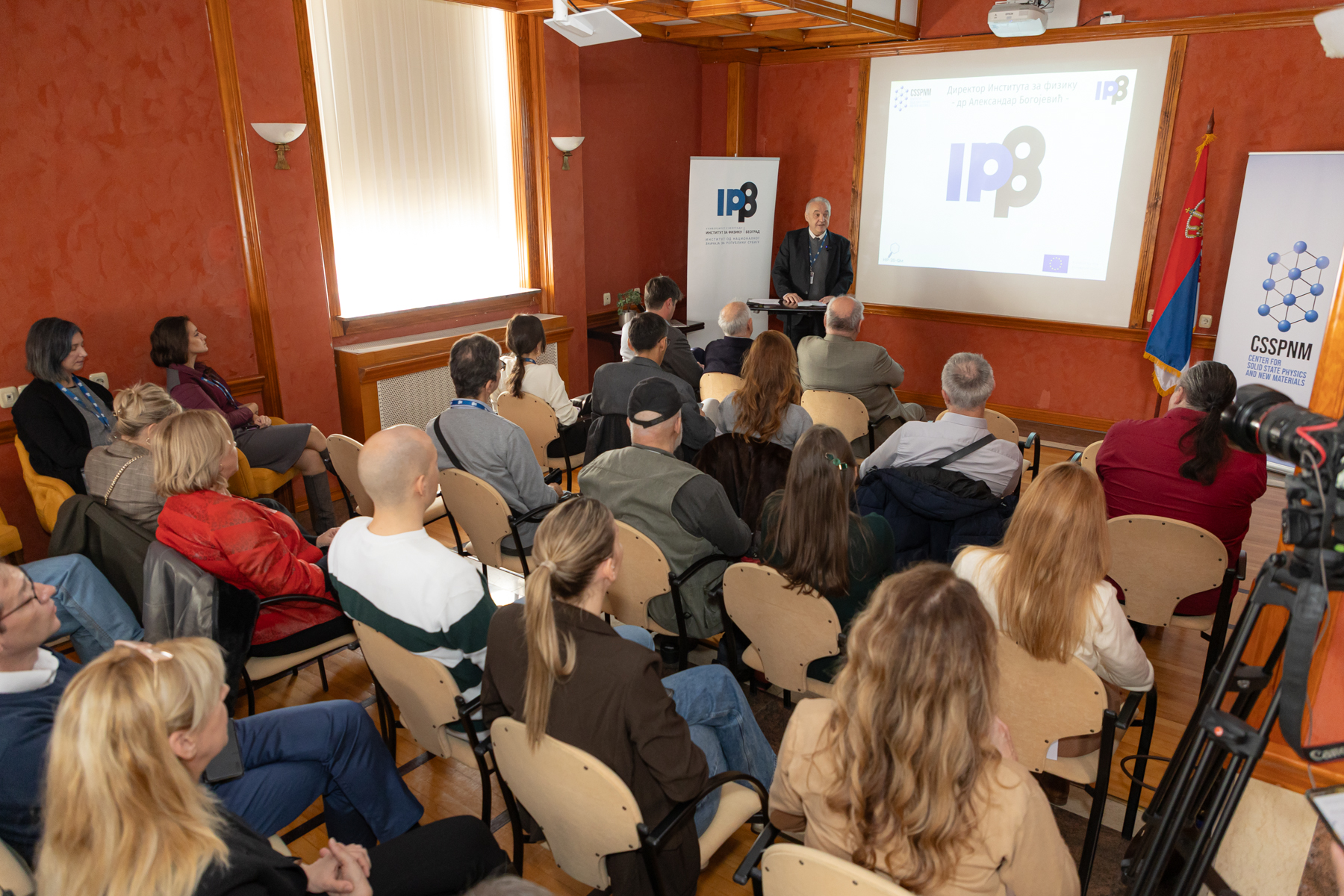
At the opening ceremony, Dr Nenad Lazarević, Head of the Center for Solid State Physics and New Materials and Coordinator of the HIP-2D-QM project, addressed the audience. Welcoming remarks were also delivered by Academician Zoran Knežević, President of the Serbian Academy of Sciences and Arts (SANU); Academician Zoran V. Popović, Vice President of SANU and founder of the Center for Solid State Physics and New Materials; and Prof. Dr Aleksandar Bogojević, Director of the Institute of Physics Belgrade.

In their speeches, the speakers addressed the development of the Institute of Physics, the strengthening of its Centers of Excellence, and advances in research infrastructure and scientific output. They emphasized the importance of establishing the Training Center for the further development of the Center for Solid State Physics and New Materials, for the Institute as a whole, and for the advancement of science and research in Serbia.

Opening Ceremony and Institutional Perspectives

Addressing the strategic role of ERA Chair support in shaping the Center’s long-term vision, Dr Nenad Lazarević emphasized the impact of the HIP-2D-QM project on sustainable development:

“The ERA Chair support made it possible for us to realize our vision. This year, the Center for Solid State Physics and New Materials marks thirty years of existence and stands as one of the Institute’s four Centers of Excellence. Over the years, we have developed and continuously improved a wide range of experimental and analytical methods in materials science, through which the Center has gained international recognition.”

Dr Lazarević also highlighted the new scientific directions enabled by the HIP-2D-QM project, particularly through international knowledge transfer:

“The project introduced new methodologies and previously unexplored research directions. The return of Dr Emil Božin from Brookhaven National Laboratory brought advanced techniques, such as pair distribution function (PDF) analysis, which—supported by the new X-ray diffractometer—will now be transferred to future generations of researchers in our region.”

From the perspective of national scientific policy and institutional support, Academician Zoran Knežević, President of SANU, emphasized the Academy’s commitment to physics research:

“The Institute of Physics will have a reliable partner and full support within the Serbian Academy of Sciences and Arts, which closely follows the development of physics and the work of the Institute.”

Reflecting on the long-term development of the Center for Solid State Physics and New Materials, Academician Zoran V. Popović, Vice President of SANU and founder of the Center, highlighted continuity and progress:

“In this case, the story has a happy ending. Not only has what we founded and initiated been preserved, but the research conditions and activities of the Center have been significantly improved.”

Focusing on the broader institutional impact of the new Training Center, Prof. Dr Aleksandar Bogojević, Director of the Institute of Physics Belgrade, praised the achievements of the research team:

“The team working at the Center for Solid State Physics and New Materials is outstanding. They not only succeed in securing million-euro research projects, but they also manage to extract the maximum scientific value from each of them.”

State-of-the-Art X-Ray Diffraction Capabilities

The new X-ray diffractometer directs X-rays at a sample, such as a powder or a thin film. The beam scatters from the sample’s crystalline structure at different angles. A detector records the scattered radiation and produces a diffraction pattern (diffractogram). The instrument reveals structural features that were previously “invisible” using earlier equipment. It is equipped with two types of X-ray sources and enables measurements across a wide temperature range, from −190 to +600 °C, allowing advanced temperature-dependent and in-situ studies.

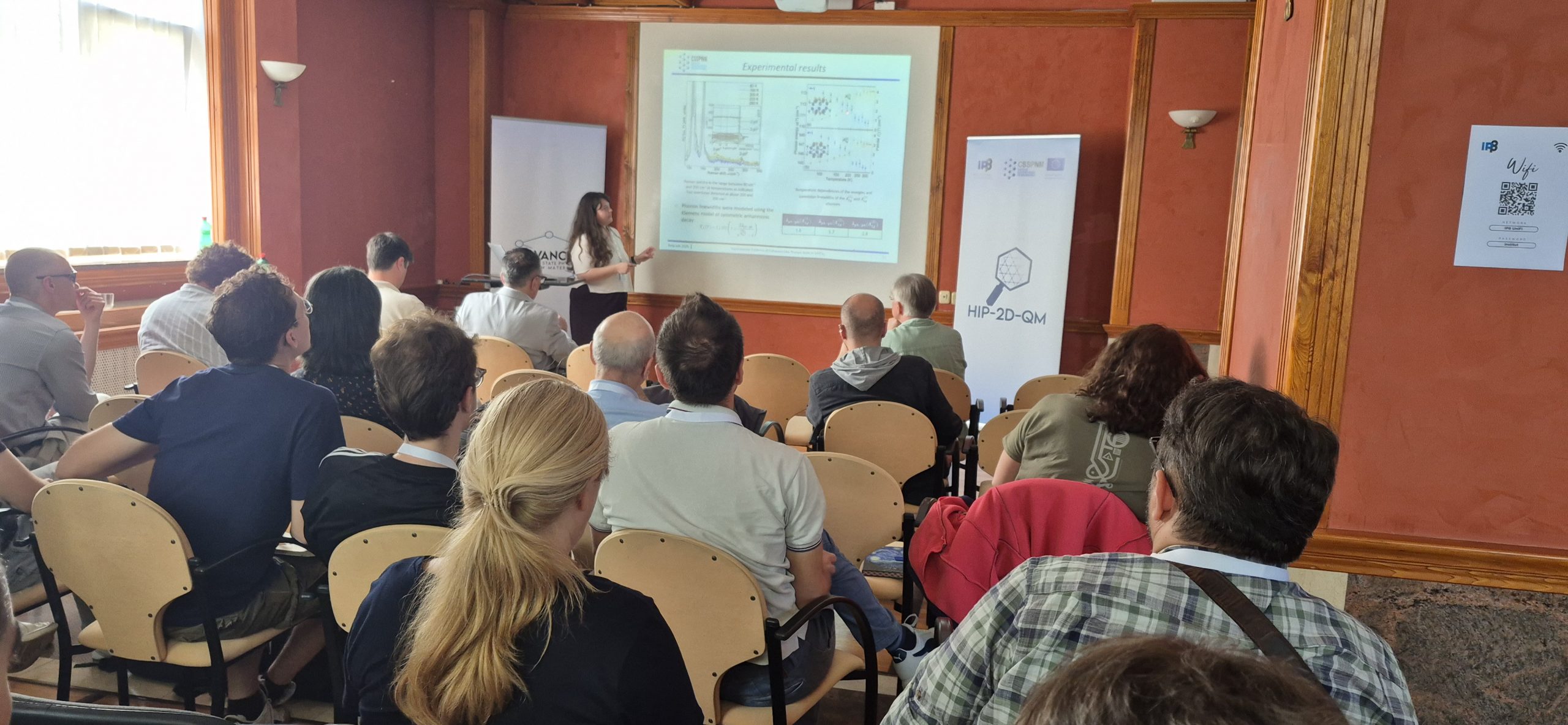
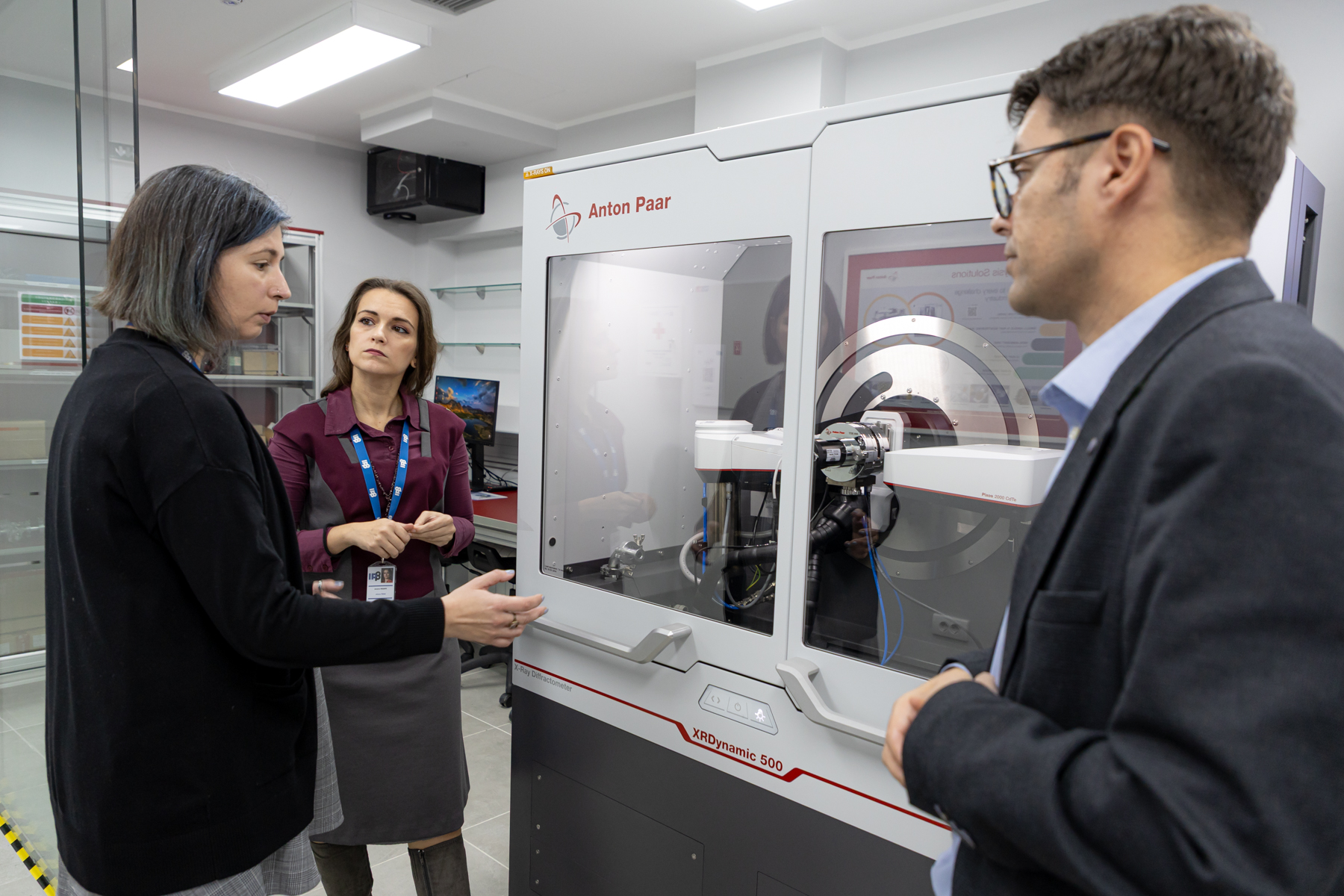
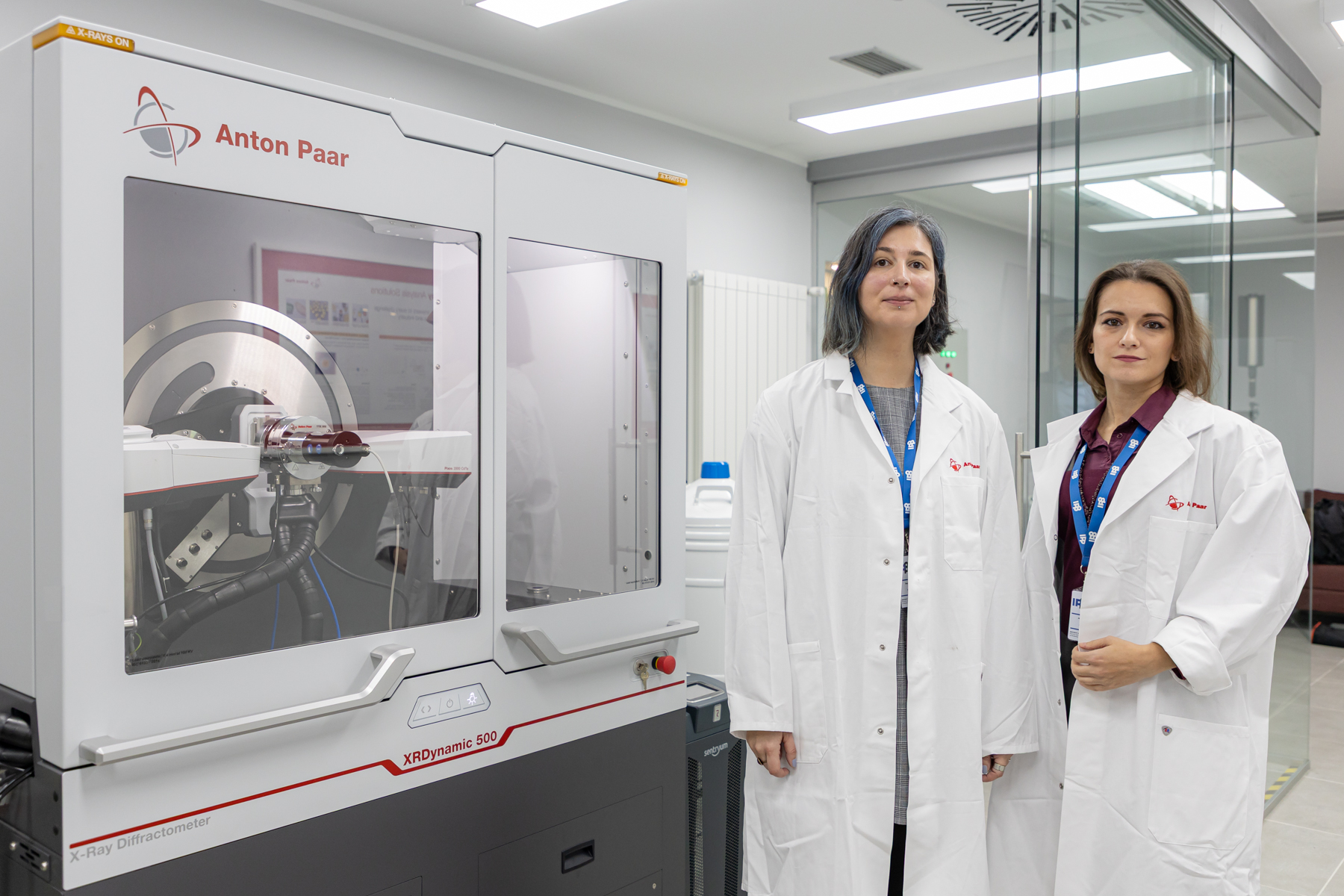
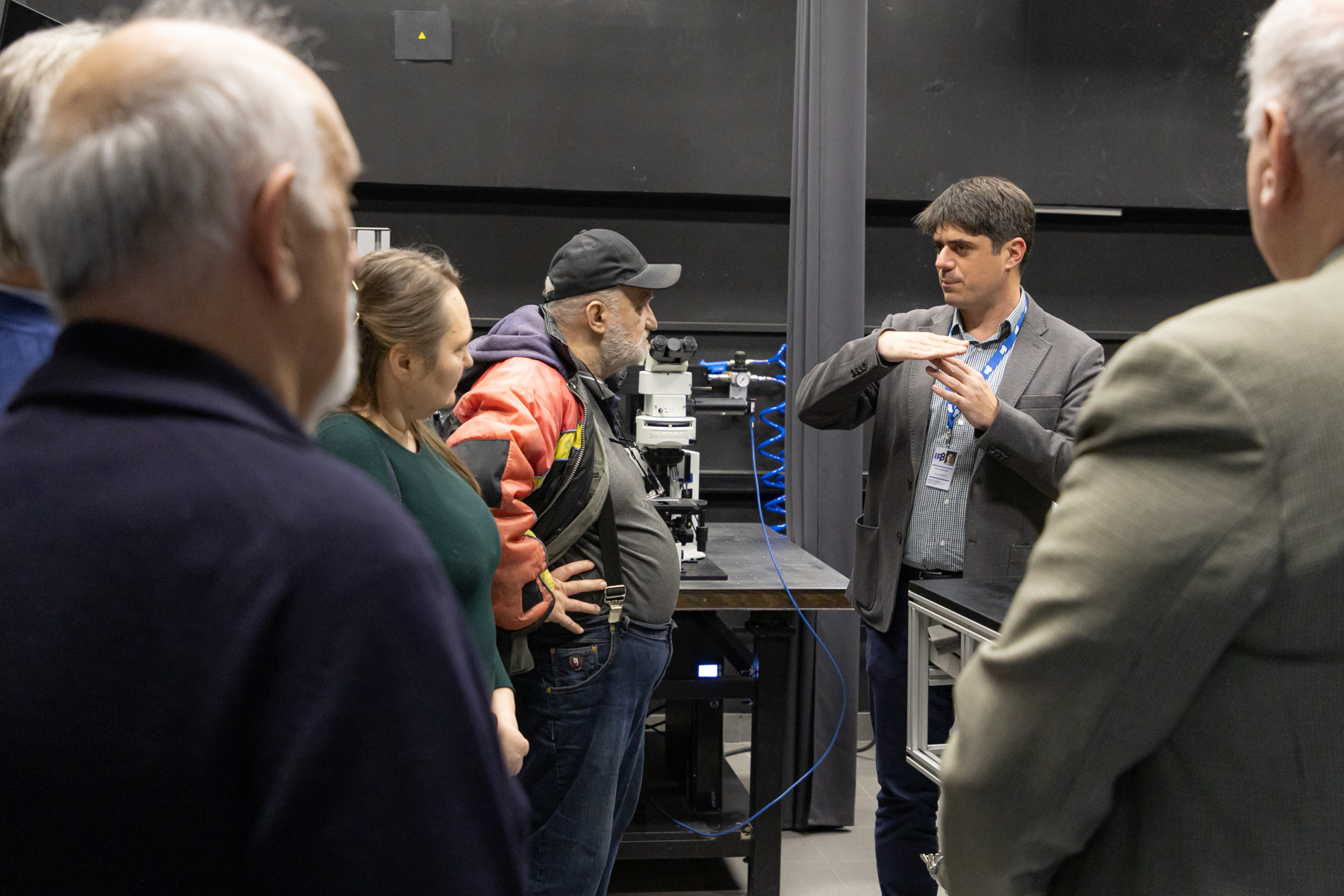
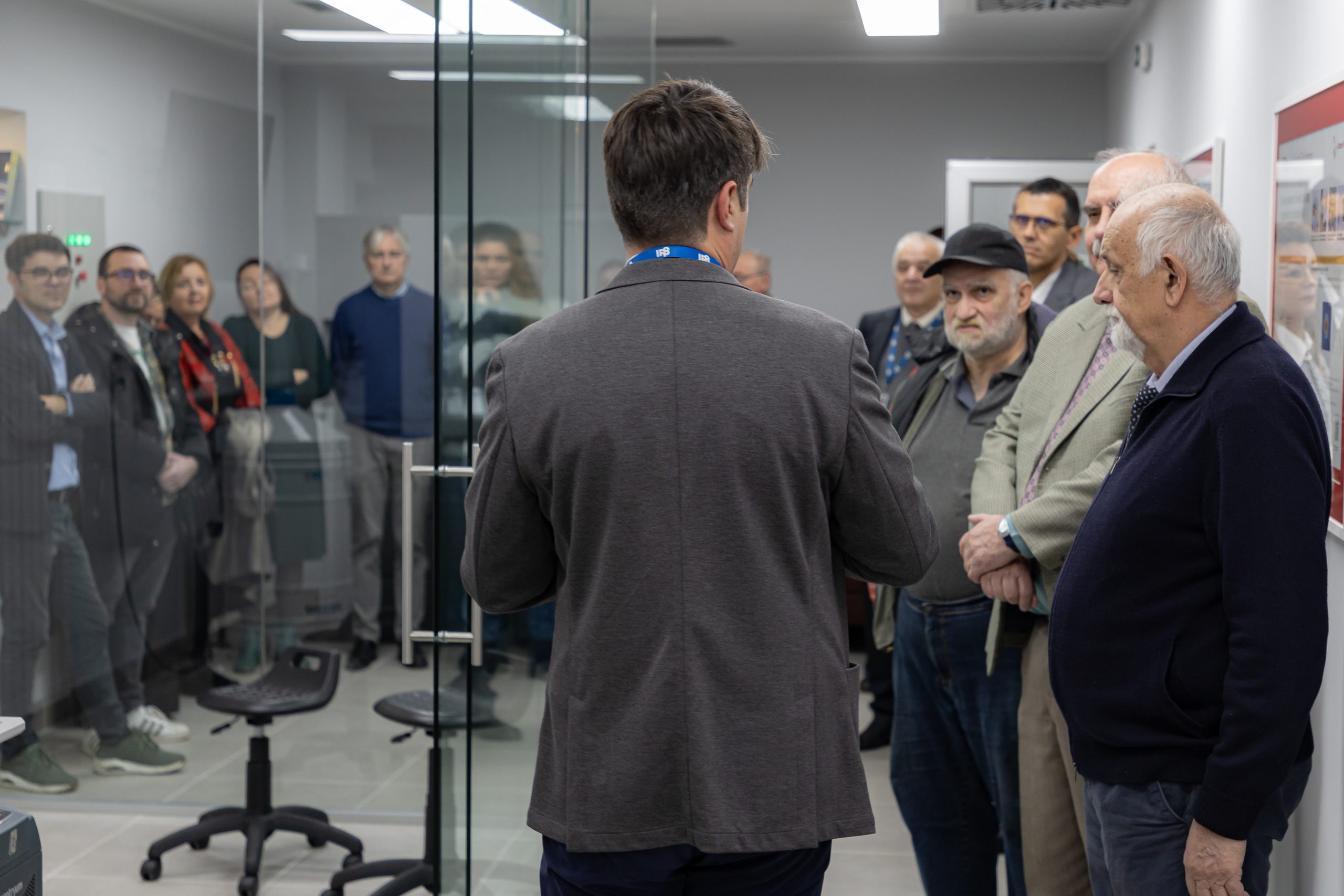
Following the formal ceremony, guests toured the new laboratory, where Dr Jelena Pešić and Dr Bojana Višić presented the capabilities of the XRD instrument and demonstrated its operation.

The new diffractometer provides a genuine “window into the unknown,” enabling the identification of previously unobserved phenomena and unknown material properties. While this represents a major advancement in local research capacity, it also lays the foundation for future studies at major European research infrastructures, such as synchrotron and neutron facilities. Results obtained with the Institute’s XRD will serve as a critical entry point for further high-precision investigations.

The opening of the Training Center for the Advanced Structural Analysis marks a key milestone of the HIP-2D-QM project, strengthening experimental infrastructure, expanding research capacity, and reinforcing the Institute of Physics Belgrade as a leading regional hub for advanced materials research.

Photos by Bojan Džodan

Open post

How Charges Move in 2D Materials: New Insights from an IPB-Led Study

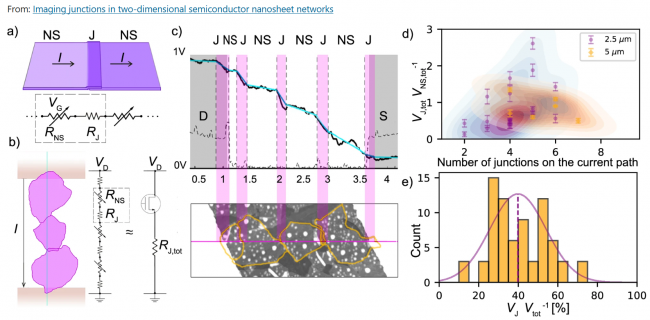
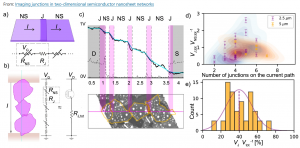
The paper “Imaging junctions in two-dimensional semiconductor nanosheet networks” has just been published in npj 2D Materials & Applications. The research was led at the Institute of Physics Belgrade (IPB) by Dr. Jelena Pešić, a member of the HIP-2D-QM team supported through Horizon Europe, together with collaborators from Montanuniversität Leoben (Austria), Trinity College Dublin (Ireland), and Universidade NOVA de Lisboa (Portugal).
Instead of focusing only on morphology or conventional microscopy, this study addresses one of the biggest open questions for scalable 2D electronics: how does charge actually travel through solution-processed 2D material films in real devices?

To answer this, it used in-operando Kelvin probe force microscopy (KPFM) to directly visualize potential drops across individual MoS₂ nanosheets,  and crucially - heir junctions inside functioning transistor structures. By combining these measurements with Y-function analysis and network modelling, the researchers showed that junctions between nanosheets dominate overall resistance and play a key role in shaping device performance.

These insights strongly support the vision of the HIP-2D-QM Horizon Europe project, which aims to develop advanced quantum and functional materials, including scalable 2D systems for future technologies.

The full open-access article is available in npj 2D Materials & Applications.

Open post

The Arrival of Hidden States: Dr. Emil Božin Explains

Dr. Emil Božin, the ERA Chair of the HIP-2D-QM project supported through the Horizon Europe programme, explores the project’s objectives, the use of large-scale research facilities, and the scientific idea of hidden states in the new episode of “The Garden of Physics”, titled “Arrival of Hidden States.”

In the episode, Dr. Božin highlights how hidden states—though not always directly observable—play a crucial role in understanding the properties of advanced materials:

“These states are all around us, but we may not be aware that they are there — or how they are connected to the properties we aim to understand,” says Dr. Božin.

“The Garden of Physics” is a science communication series produced by the Institute of Physics Belgrade, with each episode focusing on one of the key themes of modern science and aiming to bring the latest research closer to the general public.

For the full article and video, please visit the original page at the Institute of Physics Belgrade

Open post

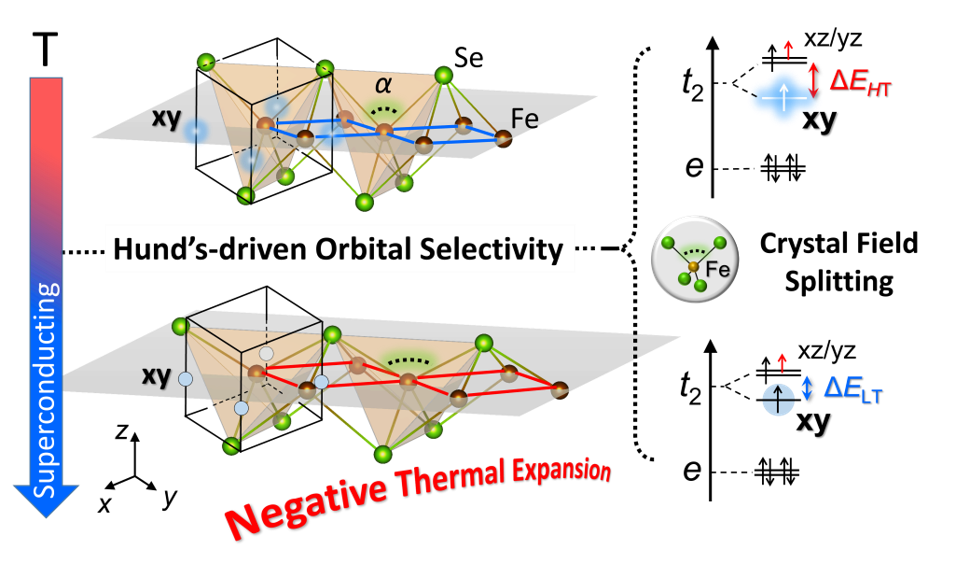
Cracking the Code of Orbital Selectivity in an Unconventional Superconductor

Contributions from the HIP-2D-QM project at IPB’s Center for Solid State physics and New Materials , as part of collaborative research led by FORTH’s Quantum Materials and Magnetism Lab , help revealing that strong electron correlations drive intertwined electronic and structural instabilities at the core of multiorbital superconducting pairing.

In a new series of complementary experiments [1], scientists from the Institute of Electronic Structure and Laser (IESL) at FORTH — Myrsini Kaitatzi, Alexandros Deltsidis, Izar Capel Berdiell, and Alexandros Lappas — working closely with collaborators from ALBA (Laura Simonelli, Alexander Missyul), DESY (Martin Etter), and IPB (Emil S. Bozin), explore a fundamental question at the forefront of condensed matter research: how strong must electron–electron interactions become to raise the temperature at which superconductivity appears?

By harnessing brilliant synchrotron light sources, the researchers reveal previously hidden phases that clarify the delicate interplay between electronic orders—an essential factor shaping the behavior of quantum materials, especially those where electrons move without resistance.

The team’s findings spotlight a novel two-dimensional (2D) iron-based material designed to conduct electricity without losses—paving the way for energy-efficient systems and next-generation electronics that demand far less cooling than today’s superconductors. By combining intercalation chemistry for precise property control, X-ray total scattering for detailed structural information, and high-resolution core-level spectroscopies (XAS, XES) with element-specific, femtosecond sensitivity, the researchers uncover site-local fluctuations that reveal an emerging electron-correlation–driven instability.

As the material cools, this instability emerges as an unconventional form of negative thermal expansion caused by intricate magnetic interactions. Under the Mott–Hund’s framework—which describes how electrons shift between mobile and localized behavior—orbital differentiation is found to temper electronic correlations and support spin-fluctuation–driven interactions. These combined effects point to new strategies for creating layered quantum materials where superconductivity and magnetism can coexist and possibly reach higher transition temperatures.


Reference

[1] A. Lappas, M. Kaitatzi, A. Deltsidis, I. Capel Berdiell, L. Simonelli, A. Missyul, M. Etter, and E.S. Bozin, “Orbital-Selective Instabilities and Spin Fluctuations at the Verge of Superconductivity in Interlayer-Expanded Iron Selenide”, Chemistry of Materials (2025).

DOI: https://doi.org/10.1021/acs.chemmater.5c01488.

Open post

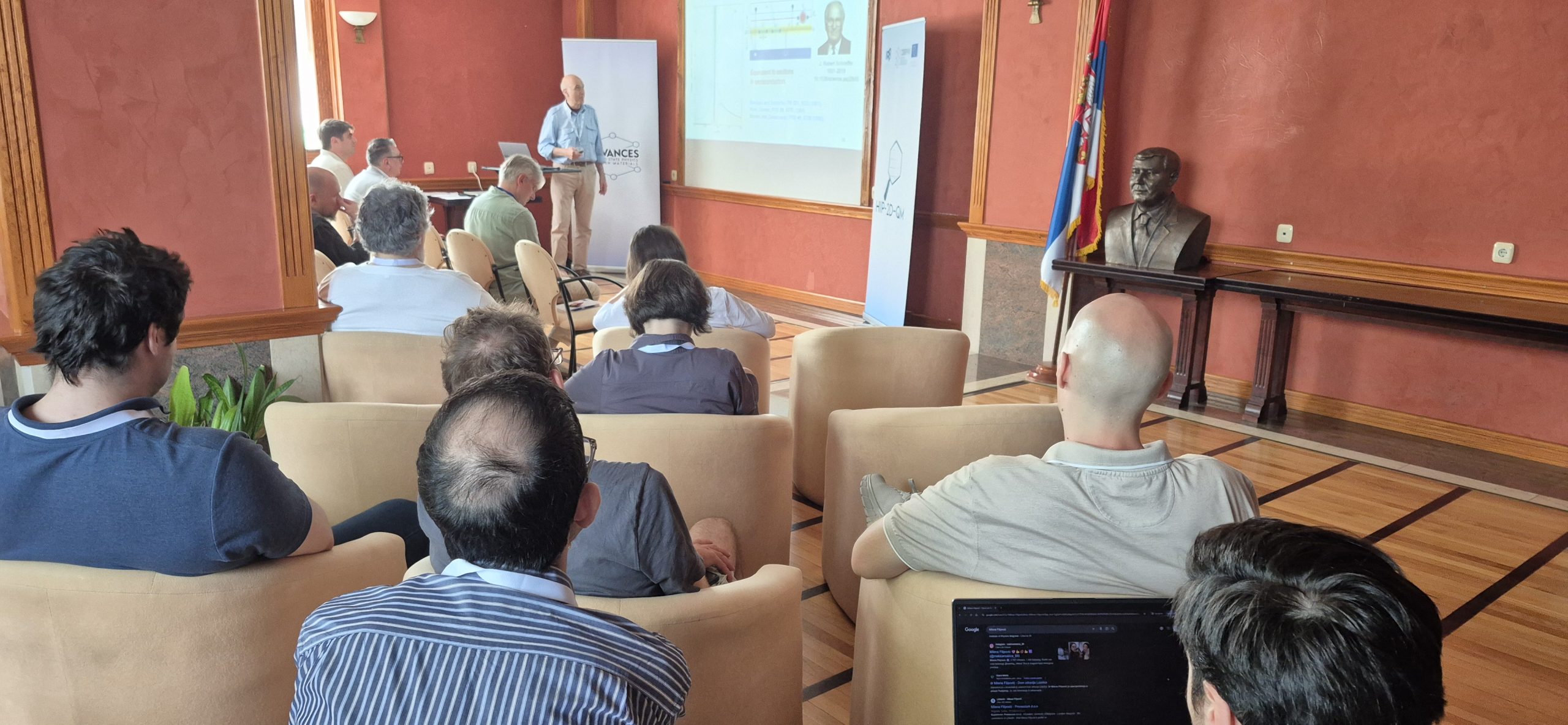
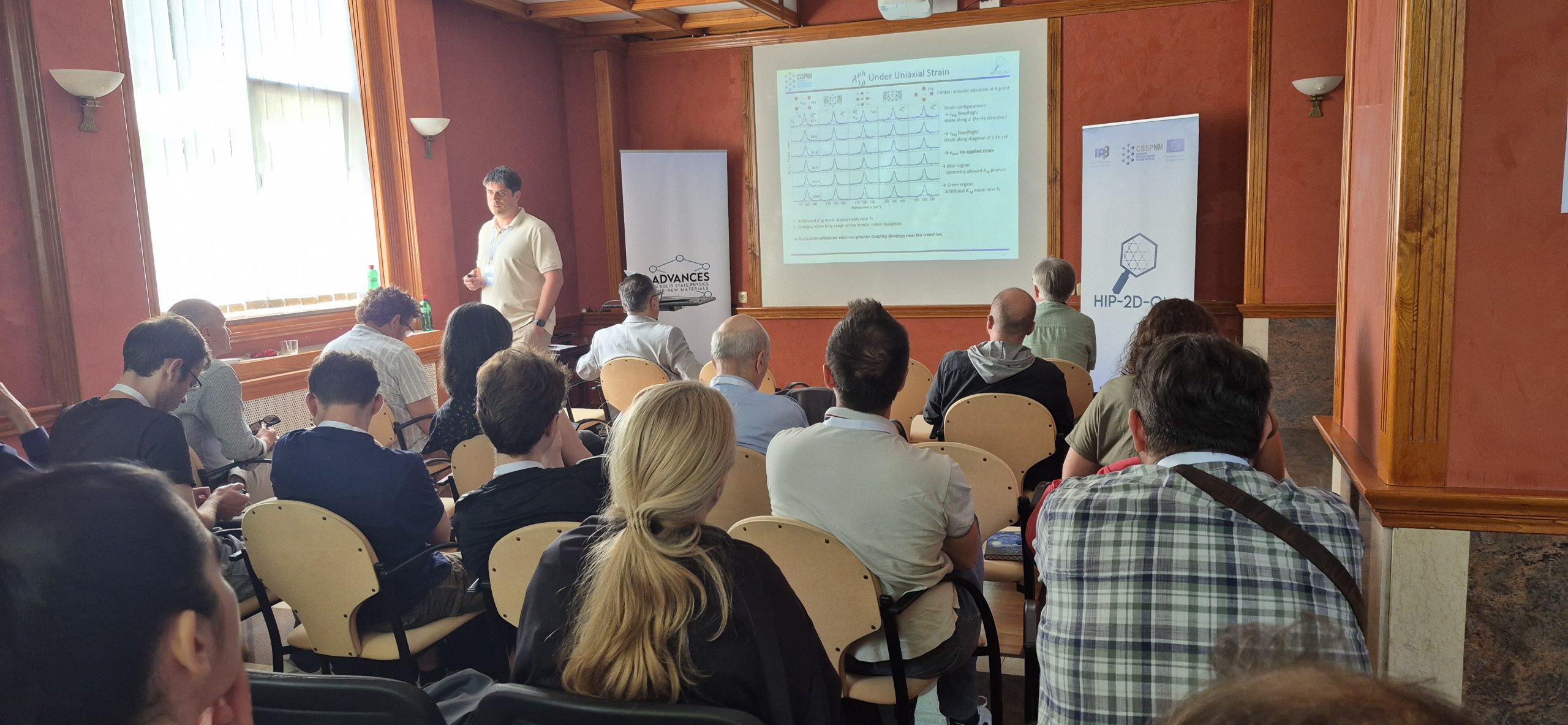
HIP-2D-QM Project Launches Lecture Series on Solid State Physics and New Materials

HIP-2D-QM Project Launches Lecture Series on Solid State Physics and New Materials

Date:

Place:

Type of Activity:

October 31st 2025

IPB

D&C&E activity

The Center for Solid State Physics and New Materials launches a series of recorded lectures from the international conference “Advances in Solid State Physics and New Materials”, held from May 19–23, 2025, to celebrate 30 years of the Center for Solid State Physics and New Materials.

Jointly organized by the Institute of Physics Belgrade and the Serbian Academy of Sciences and Arts (SANU), the conference brought together leading researchers in solid state physics and materials science.

The series begins with a lecture by Prof. Peter Hirschfeld (University of Florida, USA), titled “Superconductivity: There’s plenty of cream at the bottom.” The lecture was delivered on May 21, 2025, in the Grand Hall of SANU.

The series is aimed at promoting scientific exchange and sharing research highlights presented during the conference. This activity is part of the HIP-2D-QM project, implemented under the Horizon ERA Chair call and funded by the European Union, which seeks to strengthen research excellence and innovation capacity at the Institute of Physics Belgrade.

Watch the full lecture series on YouTube

Open post

Workshop Announcement – Focus on Women in Science

Workshop Announcement – Focus on Women in Science

Date:

Place:

Type of Activity:

October 6th 2025

Tavan, Institute of Physics Belgrade

D&C&E activity

Join us on October 6, 2025 at 12:00 in Tavan, Institute of Physics Belgrade for a workshop and public forum on understanding the challenges women face in science entitled: Workshop Focus: Understanding the Challenges Women Face in Science.

The workshop is open to IPB staff and students. External visitors must register via email: hip2dqm-admin[at]ipb.ac.rs

More info on the page of the workshop

Open post

Publication: 2D materials: advances in regenerative medicine and human health sensing

A topical review, titled "2D materials: advances in regenerative medicine and human health sensing", was published by HIP-2D-QM Team member Bojana Višić, and our IPB coworker, Jasmina Lazarević. 2D materials show significant promise in regenerative medicine and noninvasive sensing due to their high surface area, conductivity, and tunable chemistry, but face challenges such as biocompatibility, safety, and scalable production. This review explores their interactions with biological systems, sensor development potential, and integration with polymers, while emphasizing the need for standardized protocols and comprehensive safety assessments for clinical use.

The work has been published in 2D Materials.

Posts navigation

1 2 3
Scroll to top