HIP-2D-QM Hosts Workshops on Intellectual Property and Technology Transfer
Date:
Place:
Type of Activity:
October 29th 2026
Institute of Physics, Belgrade, Serbia
D&C&E activity
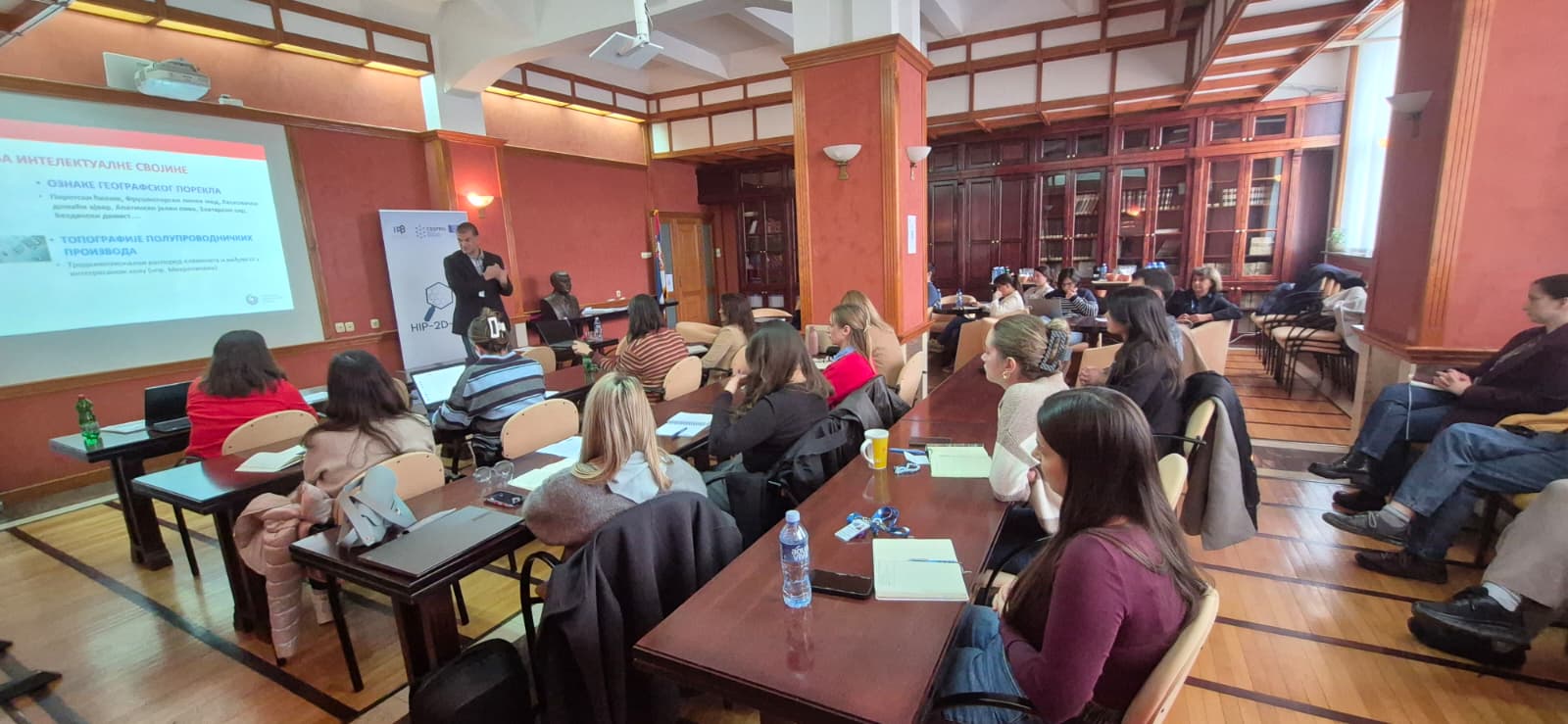
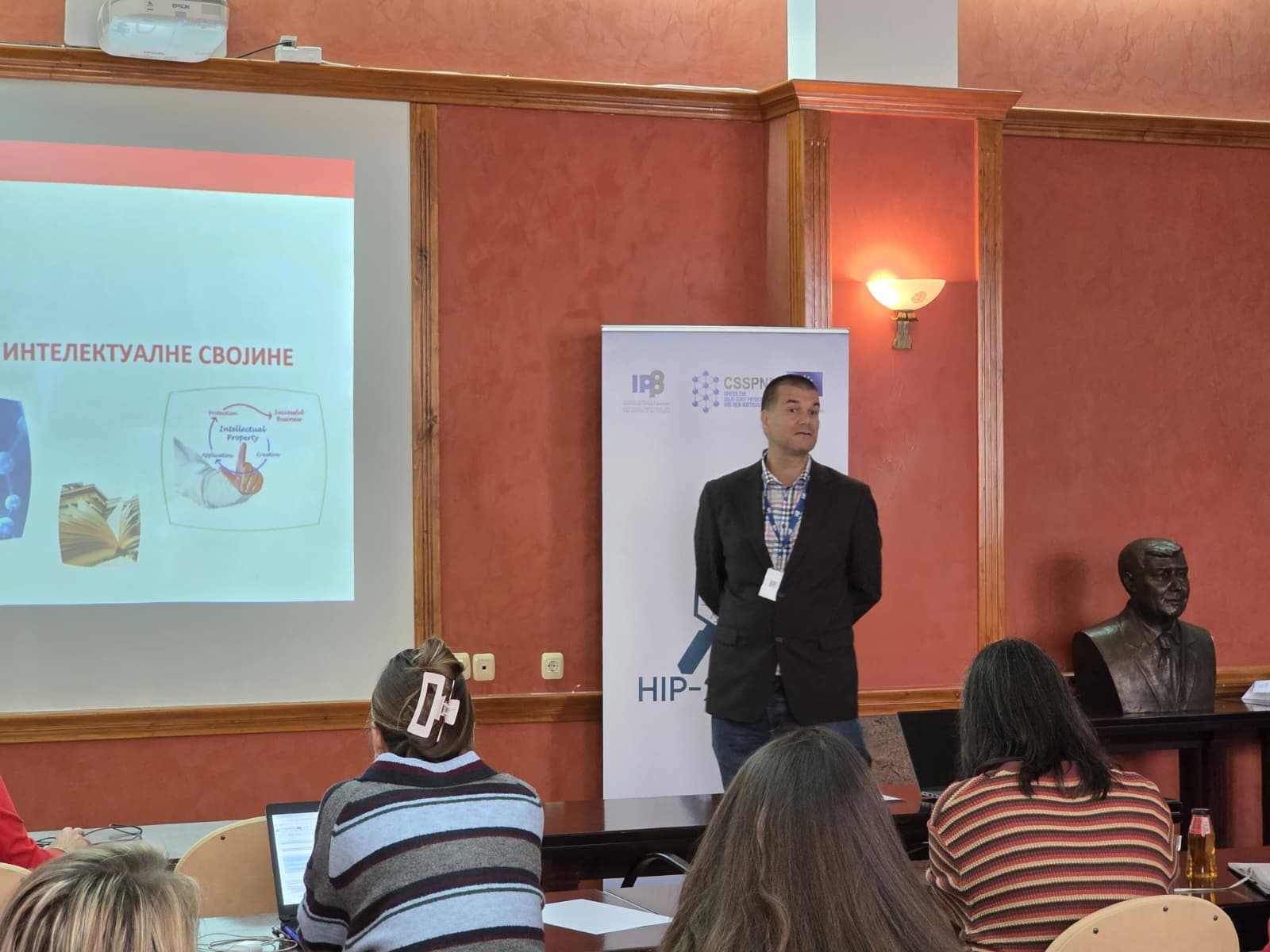
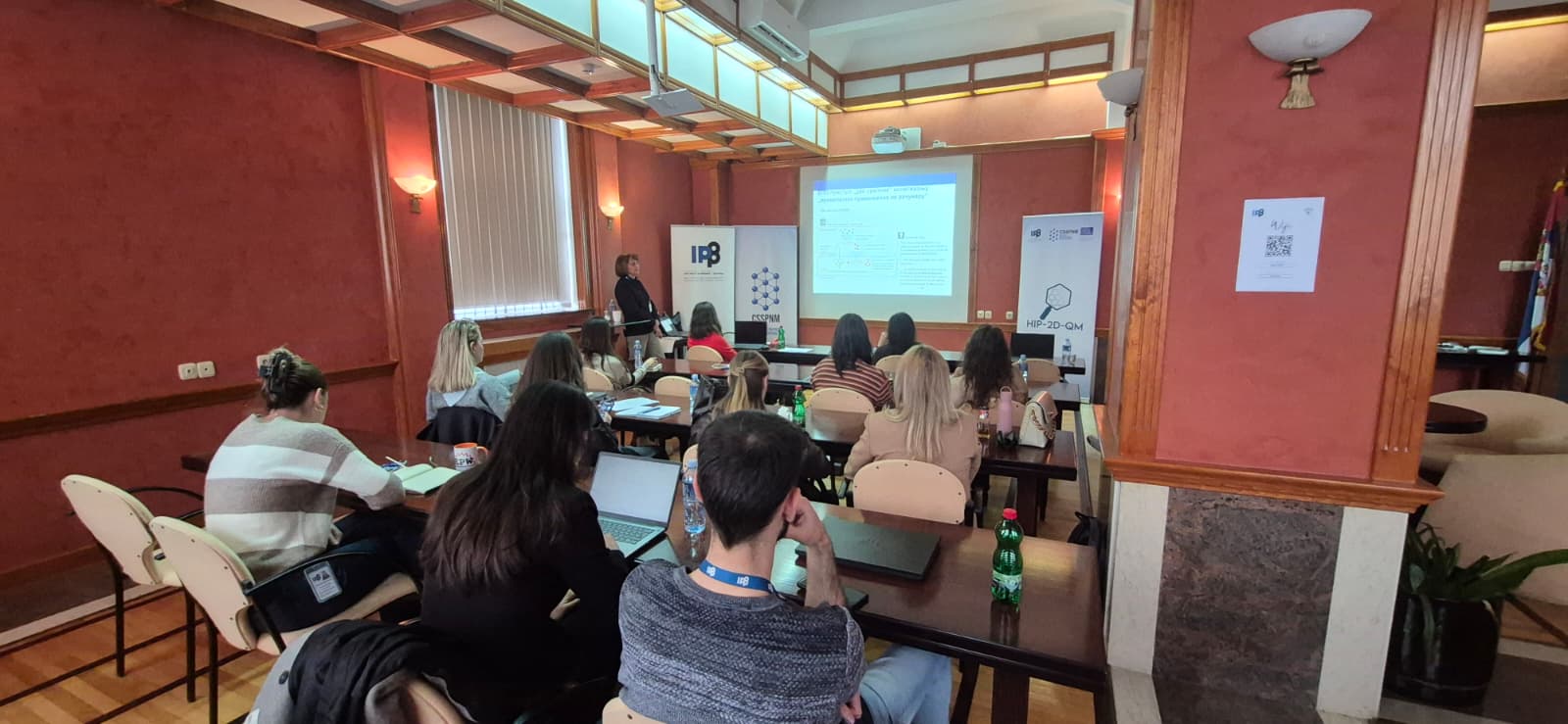
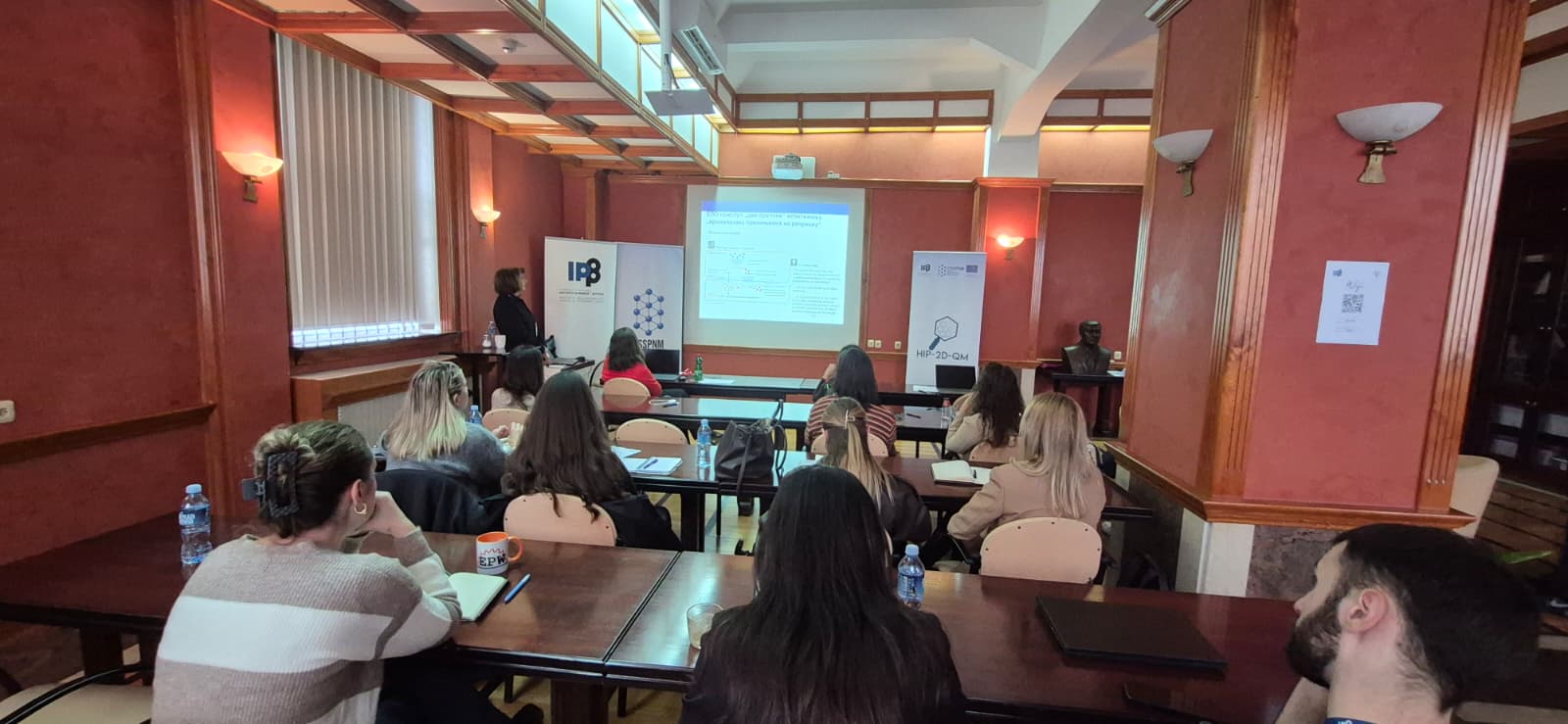
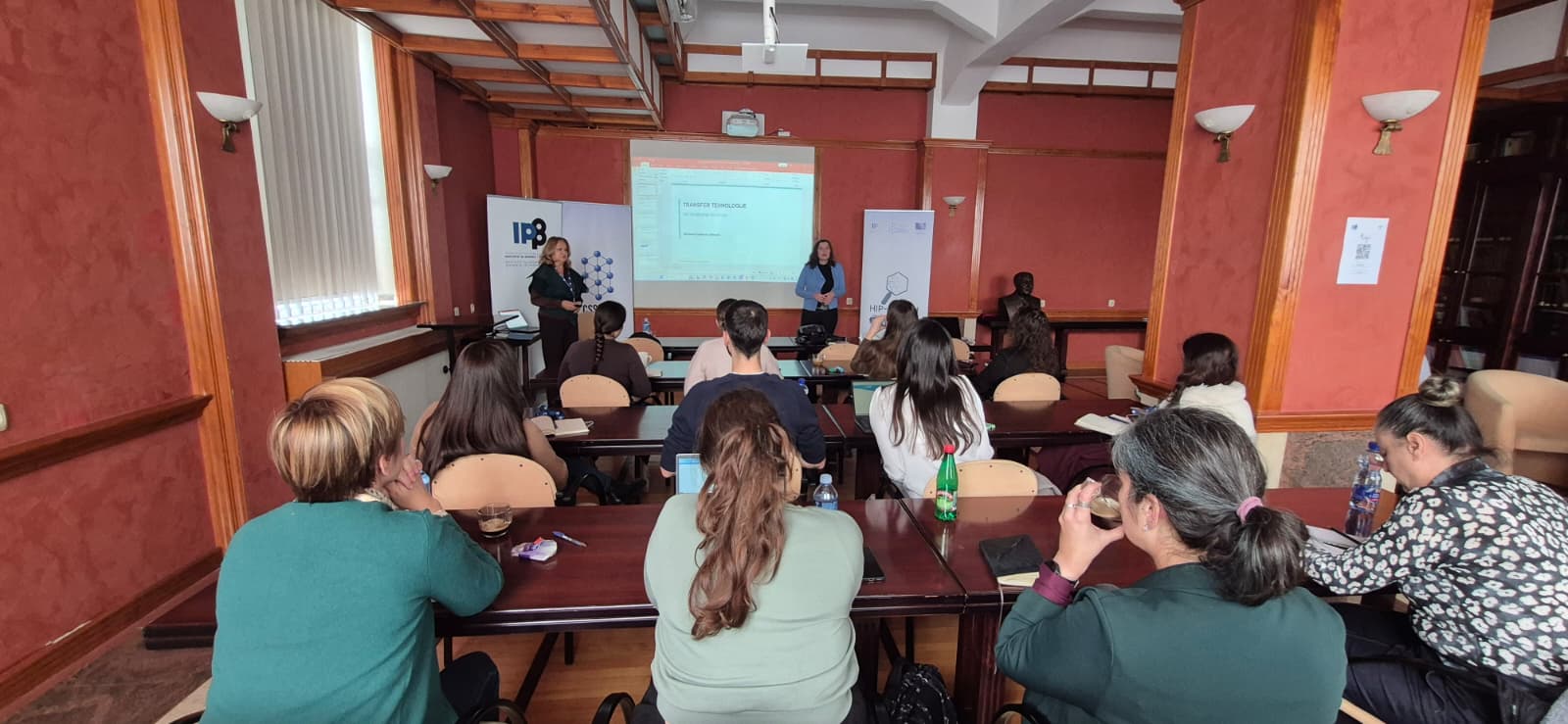
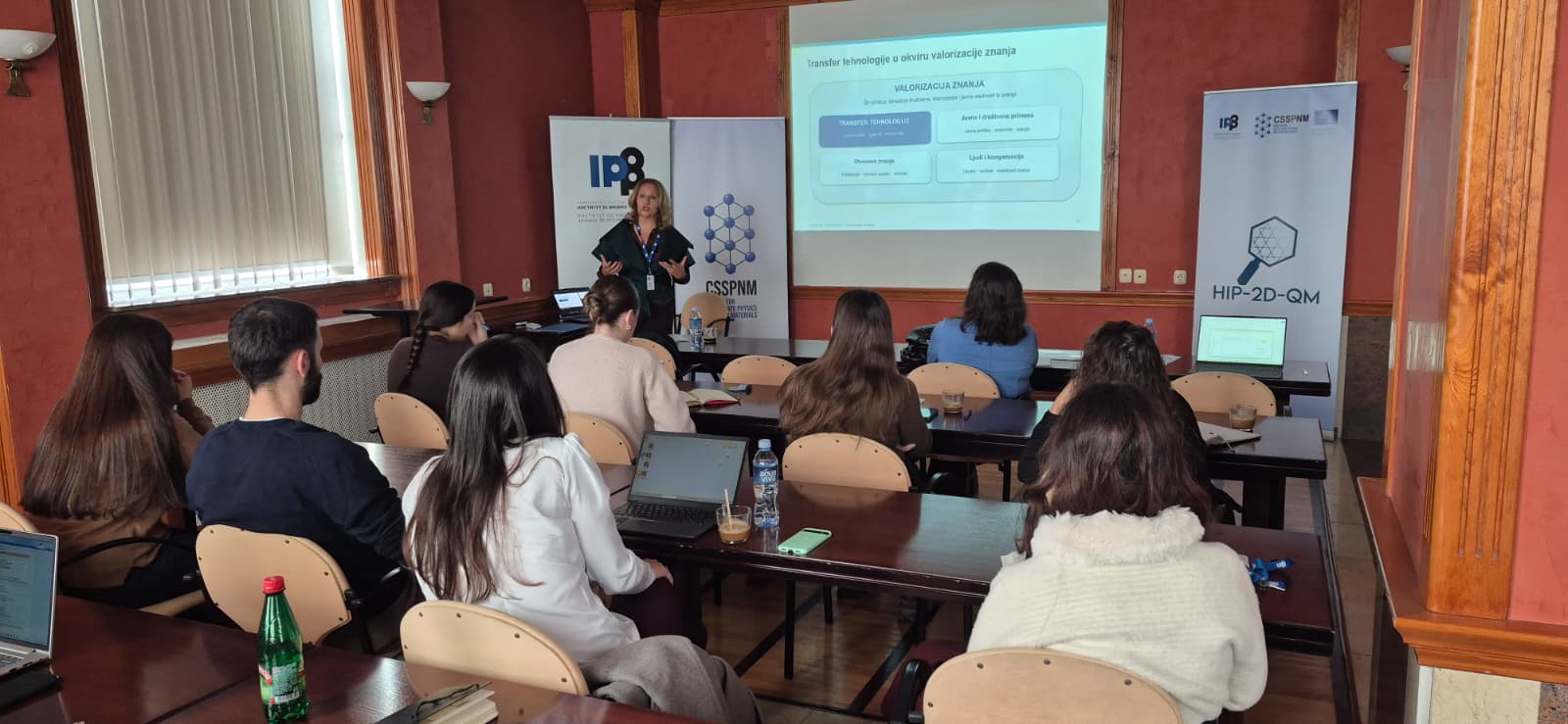
On 27 and 28 October 2026, the Institute of Physics Belgrade hosted two complementary workshops on intellectual property rights and technology transfer. Organized within the HIP-2D-QM project, the events brought together researchers from IPB and other research institutions.
Both workshops focused on strengthening researchers’ knowledge and skills in protecting, managing, and applying research results.
Intellectual Property Rights and Advanced Patent Search Strategies
The first workshop took place on 27 October. Jelena Tešić and Saša Zdravković from the Intellectual Property Office of the Republic of Serbia delivered the sessions.
The lecturers introduced different forms of intellectual property protection, including patents, trademarks, industrial designs, and copyright. They also explained the structure of patent applications, patent classification systems, and the main requirements for patentability. These include novelty, inventive step, and industrial applicability.
Furthermore, the workshop addressed the relationship between patenting and scientific publication. Participants explored intellectual property ownership and management in national and international research projects.
The final session focused on advanced patent search techniques using the Espacenet database. Through practical demonstrations, participants learned about search strategies, filtering options, and methods for analysing patent documentation. The workshop also encouraged discussion on protecting research results and using patent information effectively.
Technology Transfer: From Research to Impact
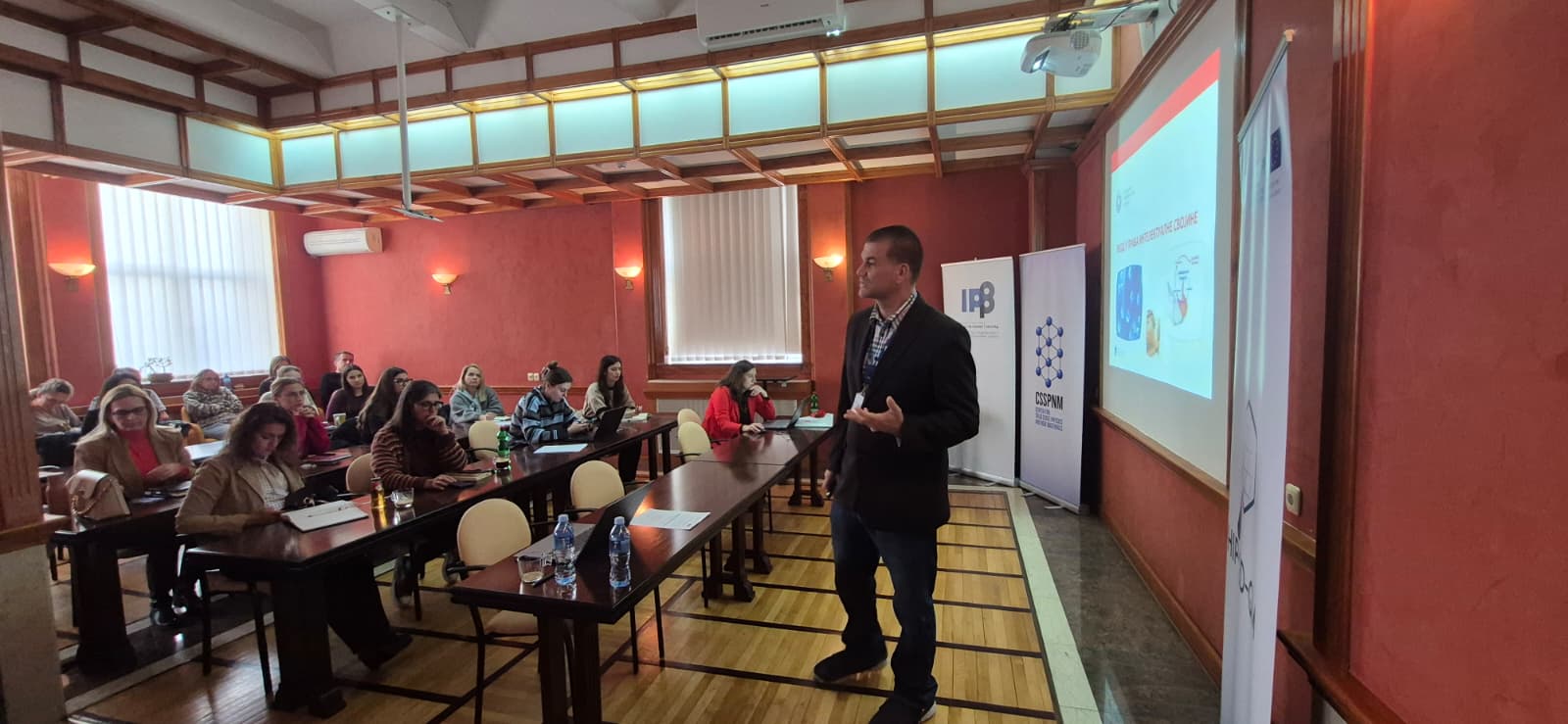
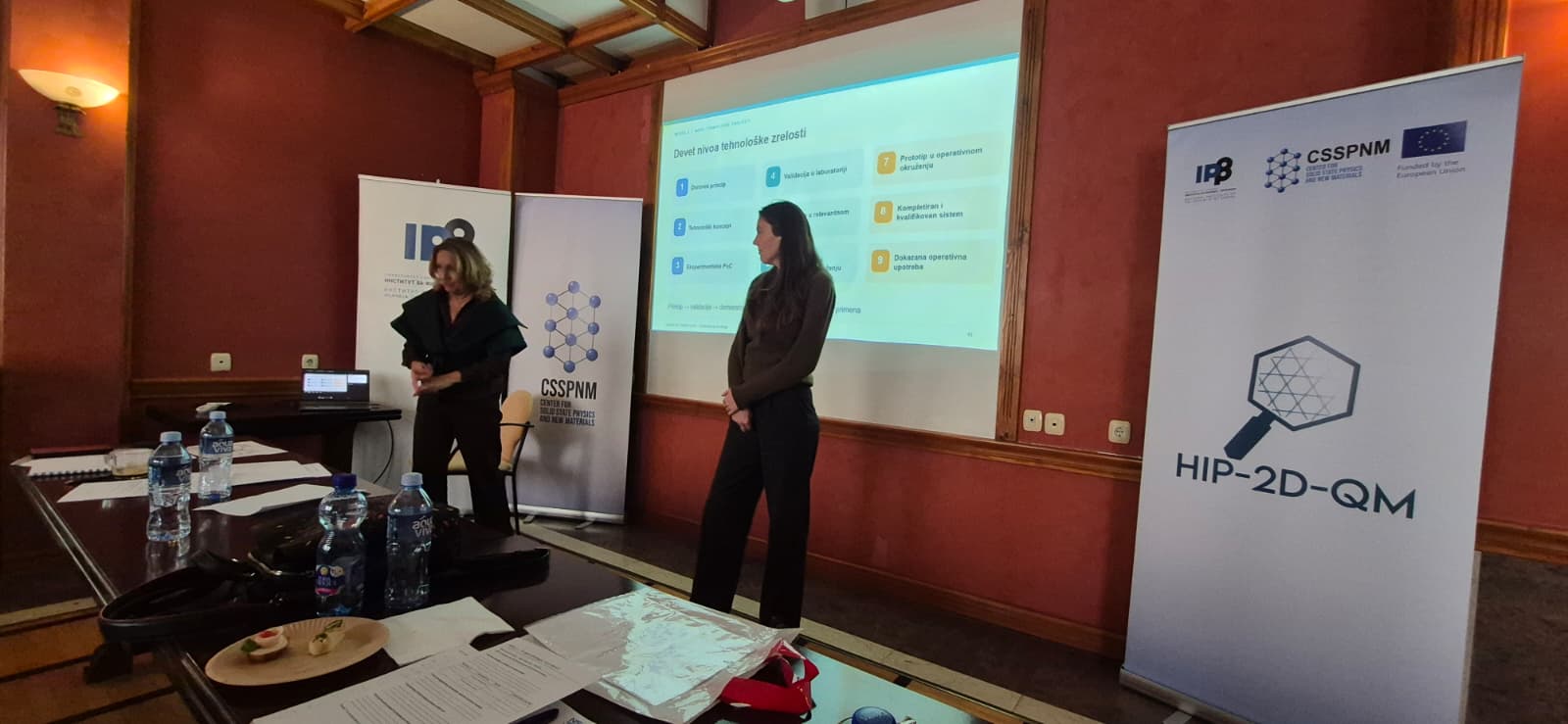
The second workshop took place on 28 October, with Gordana Danilović Grković, a regional innovation expert, as the lecturer.
The workshop explored the main stages of technology transfer, from identifying promising research results to their potential commercialisation. Participants learned about the Technology Readiness Levels (TRLs) framework and how to assess the maturity of their technologies.
In addition, the sessions addressed how to identify opportunities for further technological development and select suitable technology transfer pathways. The lecturer also discussed how to align technology development plans with available funding opportunities.
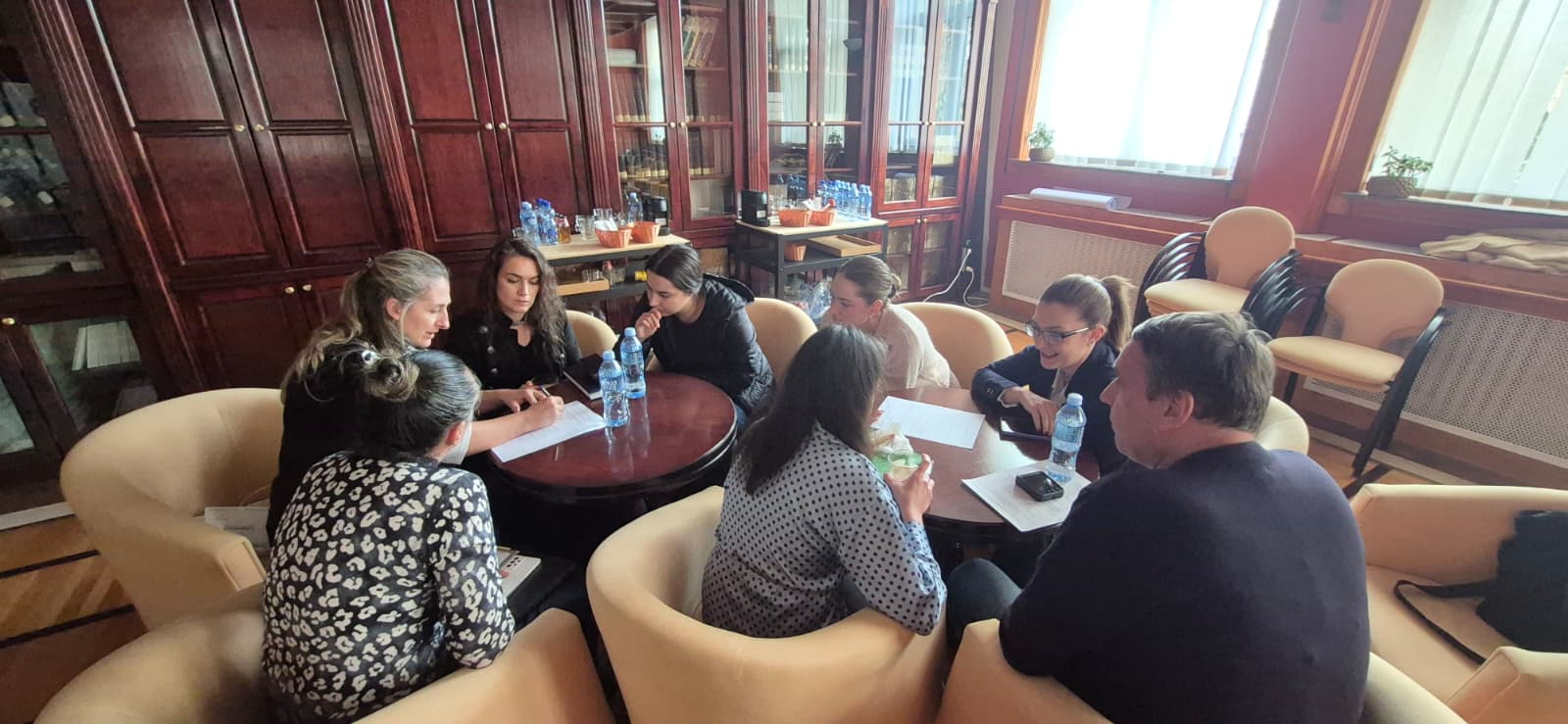
A key part of the workshop involved interactive exercises based on participants’ own research and projects. Researchers assessed the current maturity of their technologies and explored possible next steps. They also discussed challenges, opportunities, and potential pathways towards practical application.
Finally, real-world case studies and lessons learned from technology transfer practice provided additional insights into the commercialisation process.
Together, the two workshops highlighted the connection between intellectual property protection and technology transfer. While the first focused on protecting and managing research results, the second explored their potential for further development and practical application.
Through these activities, the HIP-2D-QM project continues to strengthen researchers’ capacities in intellectual property management, technology transfer, and the effective exploitation of research results.